“Subtropical” search results (1174)

The advantages and disadvantages of coffee to wake up the brain to help the college entrance examination
What's coffee? The word Coffee comes from a small town in Ethiopia called kaffa. In Greek, Kaweh means strength and passion. Tea, coffee and cocoa are called the three major drinks in the world. Coffee tree is a small evergreen tree of Rubiaceae, native to Ethiopia. Small evergreen trees or shrubs of tropical and subtropical regions. Leaves long ovate, flowers
2016-05-25 Coffee advantages and disadvantages moderate amount refreshing college entrance examination coffee what is it Co
Yunnan Coffee-- the Pride of Chinese people
Yunnan is a subtropical mountain climate zone south of the Tropic of Cancer, with unique plateau red soil, rich and loose soil and mild climate, which is especially suitable for growing small-grain coffee, which can grow the best coffee in the world. Lujiangba in the dry and hot valley of the best coffee producing area in China is the tropical treasure house of Baoshan. The average temperature in the dam is 21.5 ℃, the highest is 40.4 ℃, and there is almost no frost all the year round.
2014-09-13 Coffee knowledge Yunnan Coffee Chinese Coffee Coffee Encyclopedia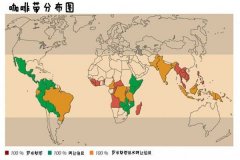
Drink and cherish how a good cup of coffee is made.
From a small coffee bean to a cup of strong coffee, how much manpower is involved and how many processes are involved? Today, let's take a look at the whole process! 1. Coffee trees are suitable for planting in tropical and subtropical areas. There are Yunnan, Hainan and Taiwan in China. The coffee we drink every day is grown on the coffee tree.
2015-08-25 And drink cherish a cup of coffee how refined into
Guatemala Coffee Estate Flavor Introduction Guatemala Coffee Taste Latissa Estate
Guatemala is located in the tropics. The northern and eastern coastal plain areas belong to tropical rain forest climate, while the southern mountainous areas belong to subtropical climate. There are two dry and wet seasons in a year. The wet season is from May to October, and the dry season is from November to April of the following year. The central plateau is also the cultural center of Guatemala, where temperatures are mild all year round at 1300 to 1800 meters, with daily temperatures ranging from 18 to 28 degrees Celsius, and higher in January
2016-07-28 Guatemala Coffee Manor Region Flavor Introduction Taste Lati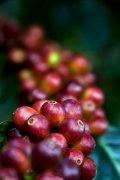
Planting and Distribution of Coffee trees with Comprehensive knowledge of Coffee
Coffee distribution: coffee trees grow in the tropical or subtropical regions of the tropical or subtropical regions with the equator as the center and between the latitudes of 25 degrees south and north. At present, coffee is produced in more than 60 countries, widely distributed in South America, Central America, the West Indies, Asia, Africa, Arabia, the South Pacific and Oceania. In terms of output, Brazil, which accounts for the largest output in the world, is about
2015-09-09 Coffee synthesis knowledge planting distribution
Introduction to the Flavor of Guatemalan Coffee Manor characteristics of Guatemalan Coffee
Guatemala is located in the tropics, the northern and eastern coastal plains have a tropical rain forest climate, the southern mountains have a subtropical climate, the year is divided into two dry and wet seasons, with the wet season from May to October and the dry season from November to April of the following year. The central plateau is also the cultural center of Guatemala, where temperatures are mild all year round at an altitude of 1300 to 1800 meters, with daily temperatures between 18 and 28 ℃, and higher in January
2016-07-29 Guatemala coffee manor producing area flavor introduction characteristics Hutt
Introduction to the volcanic Coffee producing areas of Santa Ana in the West of El Salvador and Charantan Fruit volcanic Rocks in the Northwest
Climate characteristics, savanna climate. The plain area belongs to the tropical rain forest climate and the mountain area belongs to the subtropical forest climate. The average annual temperature is 25-28 ℃. The annual precipitation is more than 1800 mm in mountain areas and about 1000 mm in coastal areas. The rainy season is from May to October. Don't underestimate El Salvador's coffee production. In its heyday, it was the world's fourth largest coffee producer, but after decades of civil war, it was almost
2016-06-23 El Salvador west Santa Anna northwest Charan Tannan volcanic rocks coffee
Introduction of Guatemalan Coffee Flavor and Taste of Guatemala Coffee Manor Latisha Manor
This is because Guatemala is located in the tropics, the northern and eastern coastal plains have a tropical rain forest climate, and the southern mountains have a subtropical climate, with two dry and wet seasons a year, with the wet season from May to October and the dry season from November to April of the following year. The central plateau is also the cultural center of Guatemala, where temperatures are mild all year round at an altitude of 1300 to 1800 meters, with daily temperatures between 18 and 28 ℃.
2016-07-30 Guatemala coffee flavor taste introduction manor producing area Ratti because
El Salvador Coffee Estate with a long finish. Flavor. Taste. Variety.
Savanna climate. Plain area belongs to tropical rain forest climate, mountain area belongs to subtropical forest climate. The annual average temperature is 25-28℃, the annual precipitation in mountainous areas is more than 1,800 mm, and that in coastal areas is about 1000 mm. May-October is the rainy season. Don't underestimate El Salvador's coffee production. In its heyday, it was the world's fourth-largest coffee producer, but decades of civil war nearly brought coffee down.
2016-09-07 Long Aftertaste Salvador Coffee Manor Region Flavor Taste Characteristics
The planting technology of coffee requirements for planting coffee trees
Coffee fruit contains two seeds, namely coffee beans. The two beans are connected face to face with each other on one side of the plane. Each coffee bean has a thin outer film, which is called silver skin, and its outer layer is covered with a yellow outer skin, called endocarp. The whole coffee bean is wrapped in a sticky pulp to form coffee pulp, which is soft and sweet.
2016-05-24 Coffee planting technology requirements coffee fruit contains two seeds that is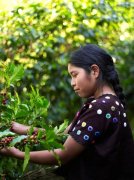
Guava Plain Manor, New Oriental region of Guatemala, Central and South American Coffee
Guatemala is one of the most important coffee producing countries in Central America, with long mountains and different regional climates, thus creating eight major coffee producing areas in Guatemala, all located on the highland topography of the subtropical climate, with abundant and stable rainfall and fertile volcanic ash soil is an excellent environment for coffee trees to grow. Plan del Guayabo is located next to the Volcn de Suchitn volcano.
2016-05-30 Guatemala New Oriental producing areas Guava Plains Manors Central and South America Coffee
The coffee beans from that coffee farm are better than those from Ladisha Manor.
Located in the tropics, there are many volcanoes in the territory, the northern and eastern coastal plains have a tropical rain forest climate, and the southern mountains have a subtropical climate. The year is divided into two dry and wet seasons, with the wet season from May to October and the dry season from November to April of the following year. The annual precipitation is 2000-3000 mm in the northeast and 500-1000 mm in the south. Forests account for half of the country's area and are the best latitude for coffee production.
2016-05-23 That coffee manor coffee beans better delicious Larty located in the tropics within the territory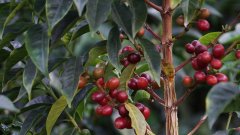
Types and characteristics of Coffee trees knowledge about Coffee trees
A single coffee tree but in places where coffee is artificially planted, people cut off the branches at the top of the coffee tree when it grows to three meters high, so that the coffee tree does not grow too high, so that it can be picked during harvest. According to the botanical classification, the coffee tree belongs to the domain: eukaryotic domain, Eukaryote kingdom: plant kingdom, Plantae phylum: angiosperm phylum, Magnoliophyta class.
2016-05-14 Coffee species characteristics about knowledge individual plant coffee is planted artificially
Introduction to the characteristics of Coffee Flavor description and Grinding degree in Incht Manor, Guatemala
Guatemala is located in the tropics, the northern and eastern coastal plains have a tropical rain forest climate, the southern mountains have a subtropical climate, the year is divided into two dry and wet seasons, with the wet season from May to October and the dry season from November to April of the following year. The narrow and fertile flatlands on the Pacific side of Guatemala have a tropical climate. The central plateau is also the cultural center of Guatemala, where the year-round temperature ranges from 1300 to 1800 meters.
2016-10-19 Guatemala Hutt Manor Coffee Flavor description Grinding producing area characteristics introduction
High-quality coffee beans are introduced in the coffee manor of Guatemala, which has the longest history.
Located in the tropics, there are many volcanoes in the territory, the northern and eastern coastal plains have a tropical rain forest climate, and the southern mountains have a subtropical climate. The year is divided into two dry and wet seasons, with the wet season from May to October and the dry season from November to April of the following year. The annual precipitation is 2000-3000 mm in the northeast and 500-1000 mm in the south. Forests account for half of the country's area and are the best latitude for coffee production.
2016-07-12 History long history Guatemala coffee producing country manor producing area introduction boutique
Manor Coffee in Guatemala New Oriental Guava Plain Manor Wine Sun treatment SL28 species
Guatemala is one of the most important coffee producing countries in Central America, with long mountains and different regional climates, thus creating eight major coffee producing areas in Guatemala, all located on the highland topography of the subtropical climate, with abundant and stable rainfall and fertile volcanic ash soil is an excellent environment for coffee trees to grow. PlandelGuayabo is located next to the VolcndeSuchitn volcano, in the west.
2016-04-13 Guatemala territory manor coffee New Oriental guava plain wine sun
Linus Manor Fine Coffee Bean Flavor taste Manor introduction
China coffee network savanna climate. The plain area belongs to the tropical rain forest climate and the mountain area belongs to the subtropical forest climate. The average annual temperature is 25-28 ℃. The annual precipitation is more than 1800 mm in mountain areas and about 1000 mm in coastal areas. The rainy season is from May to October. Don't underestimate El Salvador's coffee production. In its heyday, it was the fourth largest coffee producer in the world, but it lasted decades of civil war.
2016-09-13 Dense feeling Linus Nass Manor boutique coffee beans flavor taste production
Wen Runping and smooth entrance of El Salvador Renas Manor Coffee Flavor description Grinding Variety
Savanna climate. The plain area belongs to the tropical rain forest climate and the mountain area belongs to the subtropical forest climate. The average annual temperature is 25-28 ℃. The annual precipitation is more than 1800 mm in mountain areas and about 1000 mm in coastal areas. The rainy season is from May to October. Don't underestimate El Salvador's coffee production. In its heyday, it was the world's fourth largest coffee producer, but decades of civil war almost dragged down coffee
2016-10-08 Warm peaceful entrance smooth El Salvador Linus Nass Manor Coffee
Granular, full-bodied El Salvador coffee estate. Flavor, taste, characteristics. Boutique coffee.
Savanna climate. Plain area belongs to tropical rain forest climate, mountain area belongs to subtropical forest climate. The annual average temperature is 25-28℃, the annual precipitation in mountainous areas is more than 1,800 mm, and that in coastal areas is about 1000 mm. May-October is the rainy season. Don't underestimate El Salvador's coffee production. In its heyday, it was the world's fourth-largest coffee producer, but decades of civil war nearly brought coffee down.
2016-09-03 Granular Full Salvador Coffee Manor Region Flavor Taste Characteristics Fine
Description of Indonesian civet coffee flavor introduction of roasting degree and grinding degree of varieties
Musk cats are omnivores, they are withdrawn by nature, like to walk at night, and live in tropical rain forests, subtropical evergreen broad-leaved forests, mountain shrubs or hills, mountains and grasses below 2000 meters above sea level. Its food includes small beasts, birds, amphibians and reptiles, crustaceans, fruits and seeds of insects and plants. Civets like to choose the most mature and sweet coffee trees.
2016-09-29 Indonesia Musk Coffee Flavor description Variety Baking degree Grinding taste