“State-owned” search results (422)

Four forms of growth and production of Ethiopian Coffee in Coffee producing area
Growth and production patterns: there are four growth production patterns in Ethiopia, and 95% of coffee is produced from these types or systems. 1. Forest grows in southern and southwestern Ethiopia, mostly wild or under natural forests. It provides natural shade for coffee trees, but the resistance is slightly weak. This production system accounts for about
2015-04-15 Coffee beans origin Yisuo Biya coffee growth production 4 species morphology
A brief introduction to Coffee Culture in Ethiopia
Sustainable coffee culture Ethiopian coffee beans grow in close to the natural environment, after years of planting under the same growth conditions, Ethiopian coffee beans have gradually adapted to the environment here. More than 60% of coffee beans are grown in forests or semi-forests. The villages that grow coffee in large areas account for about the total amount of coffee produced in the country.
2016-06-04 Ethiopia Coffee Culture introduction Sustainable Development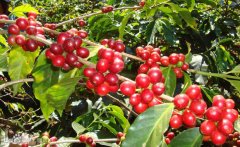
Java coffee boutique coffee
As the birthplace of coffee, African coffee plays an important role in the whole coffee industry. Although the commercial cultivation of coffee has been developed around the world for hundreds of years, the unknown wild coffee varieties in Africa are still the greatest treasure in the hearts of coffee researchers. African coffee is generally characterized by strong aroma and charming acidity, and its sour taste is lively and lively.
2016-05-23 Java coffee boutique as birthplace Africa the whole industry in
Introduction to Coffee from Coffee producing area-- Fine Coffee from Vietnam the taste of Vietnamese coffee is unique
Today's production power, tomorrow's production giant. Perhaps under the influence of French colonial rule, coffee grown in Vietnam has a French flavor. Arabica coffee was first brought to Vietnam by French missionaries. More than 400,000 coffee trees were introduced to Vietnam from 1865 to 1876 and planted near Tonkin Bay, mostly Java or bourbon varieties. At present, Vietnam's coffee production is increasing.
2016-03-23 Coffee origin introduction Vietnam boutique taste unique today production big country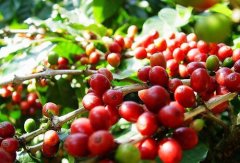
Vietnamese coffee Southeast Asian coffee beans
Boutique coffee beans must be excellent varieties, such as the original bourbon species, mocha species and Tippica species. The coffee beans produced by these trees have unique aroma and flavor, which is far from that of other tree species, but the relative yield is low. in recent years, in order to pursue the ability of disease and insect resistance and increase the yield, there have been many improved tree species, such as the massive promotion of high-yield rurial11 species in Kenya.
2016-05-25 Vietnam Coffee Southeast Asia Coffee beans Fine products must excellent varieties
Exquisite Ethiopian coffee beans Starbucks Ethiopian coffee
Ethiopia has unique natural conditions suitable for growing all imaginable varieties of coffee. As a upland crop, Ethiopian coffee beans are mainly grown in areas between 1100 and 2300 meters above sea level, roughly distributed in southern Ethiopia. Deep soil, well drained soil, weakly acidic soil, laterite and soil are soft and contain
2016-04-30 Beautiful Ethiopia coffee beans Buck coffee Youde Tiandu
Production and processing of Vietnamese Fine Coffee Taste characteristics of Vietnamese Fine Coffee
The geographical location of Vietnam is very favorable for coffee growing. the south of Vietnam has a hot and humid tropical climate, which is suitable for growing ROBUSTA coffee and the north is suitable for growing ARABICA coffee. Each coffee bean used in the current production of Saigon Coffee is selected from the best coffee areas in the Vietnamese plateau and is roasted with special cream with outstanding milky aroma, mellow coffee flavor and coffee aroma.
2016-03-18 Vietnam boutique coffee production and processing taste characteristics
Ethiopian coffee flavor Ethiopian coffee characteristics Ethiopian coffee taste
Ethiopia has unique natural conditions suitable for growing all imaginable varieties of coffee. As a upland crop, Ethiopian coffee beans are mainly grown in areas between 1100 and 2300 meters above sea level, roughly distributed in southern Ethiopia. Deep soil, well drained soil, weakly acidic soil, laterite and soil are soft and contain
2016-08-29 Ethiopia coffee flavor characteristics taste have Tiandu
Natural fermented Ethiopian coffee flavor, characteristics, taste and estate
Ethiopia is blessed with natural conditions for growing all conceivable varieties of coffee. Ethiopia's coffee beans are mainly grown as highland crops in areas with altitudes of 1100-2300 meters above sea level, roughly distributed in southern Ethiopia. Deep soil, well-drained soil, weakly acidic soil, laterite and soft soil containing
2016-08-31 Natural Fermented Sunlight Ethiopian Coffee Flavor Characteristics Taste Manor
Smooth and sweet Venezuelan coffee beans
The best coffee names in Venezuela are: Montebello in San Cristobal (San Cristbal de Tachira) in Tazira, Miramar in Rubio (Rubio de Tachira) in Tazira, Granija in Timothe (Timote de Merida) in Merida, and Santa Ana in Tacira (San)
2016-07-01 Taste smooth taste sweet Venezuela coffee beans flavor
Coffee producing and growing areas in Ethiopia
Ethiopian coffee beans grow in close to the natural environment, after years of planting under the same growth conditions, Ethiopian coffee beans have gradually adapted to the environment here. More than 60% of coffee beans are grown in forests or semi-forests. Large-scale coffee-growing villages account for about 35% of the country's total coffee production. Many of these are used.
2016-06-14 Ethiopia coffee producing area planting region coffee beans growing in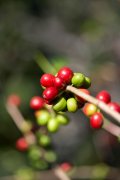
Java coffee production Asian flavor coffee boutique coffee
The term "fine coffee" was first put forward by Ms. Knudsen of the United States in Coffee and Tea magazine. At that time, Ms. Knudsen, as a coffee buyer at B.C. Ireland in San Francisco, was very dissatisfied with the neglect of the quality of raw coffee in the industry, and even some big roasters mixed a large amount of Robesda beans in the comprehensive beans, so she put forward the concept of boutique coffee.
2016-06-16 Java origin coffee output Asia flavor boutique the word
Flavor, characteristics, taste and manor introduction of naturally fermented Ethiopian coffee
Ethiopia has unique natural conditions suitable for growing all imaginable varieties of coffee. As a upland crop, Ethiopian coffee beans are mainly grown in areas between 1100 and 2300 meters above sea level, roughly distributed in southern Ethiopia. Deep soil, well drained soil, weakly acidic soil, laterite and soil are soft and contain
2016-08-31 Natural fermentation Solar Ethiopia Coffee Flavor characteristics Taste Manor
Vietnamese Coffee Southeast Asian Coffee Flavor Vietnamese farming Vietnamese Coffee Brand
The growth environment of boutique coffee beans also has higher requirements. Generally grow at an altitude of 1500 meters or even more than 2000 meters above sea level, with appropriate precipitation, sunshine, temperature and soil conditions. Some world-famous coffee beans also have a special geographical environment, such as the alpine clouds in the Blue Mountains, the free shade provided by the afternoon clouds in Kona, and the volcanic ash soil in Antigua.
2016-06-17 Vietnam Coffee Southeast Asia Flavor planting Brand Fine goods Coffee beans growth
The Elgon and Bugisu mountains of Uganda's coffee producing areas
Africa is the hometown of two major varieties of coffee, Arabica and Robusta, while Uganda, which is located in eastern Africa, which is known as the hometown of plateau water and the pearl of East Africa, is believed by many people to be the birthplace of Robusta. Uganda is one of the few countries in the world that can grow both Arabica and Robusta, with an environment and climate suitable for coffee growth. Uganda is located at 900 above sea level
2016-07-01 Uganda coffee producing areas El Elgon mountains Bugisu Bugi
Natural fermentation and Solar Ethiopian Coffee Flavor, characteristics, texture and Manor introduction
Ethiopia has unique natural conditions suitable for growing all imaginable varieties of coffee. As a upland crop, Ethiopian coffee beans are mainly grown in areas between 1100 and 2300 meters above sea level, roughly distributed in southern Ethiopia. Deep soil, well drained soil, weakly acidic soil, laterite and soil are soft and contain
2016-08-30 Natural fermentation Solar Ethiopia Coffee Flavor characteristics Taste Manor
Natural fermented and mellow Ethiopian coffee flavor, characteristics, taste and manor introduction
Ethiopia has unique natural conditions suitable for growing all imaginable varieties of coffee. As a upland crop, Ethiopian coffee beans are mainly grown in areas between 1100 and 2300 meters above sea level, roughly distributed in southern Ethiopia. Deep soil, well drained soil, weakly acidic soil, laterite and soil are soft and contain
2016-09-01 Natural fermented mellow solarization Ethiopia coffee flavor characteristics taste
Robusta grows Java boutique coffee, mellow Java coffee, low acid coffee, boutique coffee.
Boutique coffee (specialty coffee) is also called specialty coffee selection coffee. It refers to coffee made from a small number of raw beans with excellent taste grown in an ideal geographical environment. Depending on the special soil and climatic conditions in which they grow, they have outstanding flavor. After strict selection and classification, this kind of coffee is hard in texture, rich in taste and stylish.
2016-06-29 Robes Booth Java Fine goods Coffee thick low Acid sp
With unique natural conditions, Ethiopian coffee flavor, characteristics, taste and manor introduction
Ethiopia has unique natural conditions suitable for growing all imaginable varieties of coffee. As a upland crop, Ethiopian coffee beans are mainly grown in areas between 1100 and 2300 meters above sea level, roughly distributed in southern Ethiopia. Deep soil, well drained soil, weakly acidic soil, laterite and soil are soft and contain
2016-08-30 Yes Tiandu thick natural conditions Ethiopia coffee flavor characteristics mouth
Introduction to Coffee Culture and Flavor in Ethiopia
Sustainable coffee culture Ethiopian coffee beans grow in close to the natural environment, after years of planting under the same growth conditions, Ethiopian coffee beans have gradually adapted to the environment here. More than 60% of coffee beans are grown in forests or semi-forests. The villages that grow coffee in large areas account for about the total amount of coffee produced in the country.
2016-05-31 Ethiopia coffee culture flavor introduction sustainable development