“Specifications” search results (628)
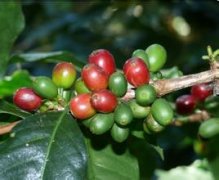
A brief talk on the basic knowledge of Fine Coffee with Coffee beans
1. Summary: coffee is a perennial evergreen shrub or small tree of Rubiaceae. It is native to tropical Africa and has been cultivated for more than 2000 years. The Arabs began to grow coffee in 525 BC, and it was popular for Arabs to stir-fry coffee beans. They began to grow coffee beans on a large scale after the 15th century, and were widely distributed in the tropics and subtropics of Europe, Asia, Africa and Latin America after the 18th century.
2015-06-04 Talking about coffee beans boutique coffee basics common sense overview grass for many years
Coffee production in Brazil and coffee bean production in coffee farms
Coffee plantations in Brazil range from large farms mechanized on flat land to small farms harvested artificially in mountain areas. There are no shade trees for shade in Brazilian agricultural gardens. The production of coffee is mainly taken into account, ① production, ② diseases and insect pests ③ quality as far as the stability pursued by agriculture is concerned, the first priority is production. In addition, 80% of Brazilian coffee is dried coffee.
2015-02-15 Brazil coffee production farm coffee beans ground implementation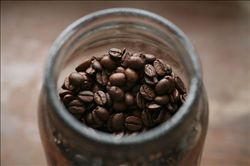
Characteristics of coffee beans in Rwanda planting methods of coffee beans in Rwanda
Rwandans have been growing coffee since colonial times, but until 1999, its products were still classified as below Class C and were not popular in the global market. The reason for the poor quality is that farmers do not have a fixed procedure for washing coffee beans and do not process coffee fruits according to specifications in time. Buyers buy coffee beans at $0.33 per kilogram, and farmers keep warm by the meagre profits earned at low prices.
2016-05-08 Rwanda coffee beans characteristics cultivation methods people colonization times
Coffee cup lid detoxifies and causes cancer
Coffee cup lid may release carcinogens! A spot check by the Taipei Municipal Health Bureau found that 13 local fast food chains and coffee shops, including the No. 6 PS coffee cup provided by Starbucks in Taiwan, will deform when exposed to heat, fearing the release of chemicals that can cause liver cancer and blood a cancer. Seven local shops still continue to use such lids. Our reporter inspected the Hong Kong market yesterday and found a number of companies
2014-04-27 Coffee cup lid release carcinogen coffee cup possibly release Taipei municipal sanitation
The harvest and processing process of coffee beans and two basic processing methods
Picking: due to climatic differences, the harvest season is usually from September to March in the Northern Hemisphere and from April to August in the Southern Hemisphere. When the coffee beans are ripe, they can be picked. In many alpine slopes, coffee must be picked manually. In relatively flat producing areas such as Brazil, Australia and Hawaii, they can be picked by machines. These two methods
2015-11-05 Coffee beans harvesting processing process and two basic treatment methods picking
Boutique coffee Rwanda coffee origin Rwanda coffee practice
Rwandans have been growing coffee since colonial times, but until 1999, its products were still classified as below Class C and were not popular in the global market. The reason for the poor quality is that farmers do not have a fixed procedure for washing coffee beans and do not process coffee fruits according to specifications in time. Buyers buy coffee beans at $0.33 per kilogram, and farmers keep warm by the meagre profits earned at low prices.
2016-05-15 Boutique Coffee Rwanda Origin practice Renzi colonization Times
Fine coffee Rwanda Coffee characteristics introduction to Rwanda Coffee
Rwandans have been growing coffee since colonial times, but until 1999, its products were still classified as below Class C and were not popular in the global market. The reason for the poor quality is that farmers do not have a fixed procedure for washing coffee beans and do not process coffee fruits according to specifications in time. Buyers buy coffee beans at $0.33 per kilogram, and farmers keep warm by the meagre profits earned at low prices.
2016-05-15 Boutique coffee Rwanda characteristics introduction Renzi colonization times from
Fine coffee Rwanda coffee manor Rwanda coffee producing area
Rwandans have been growing coffee since colonial times, but until 1999, its products were still classified as below Class C and were not popular in the global market. The reason for the poor quality is that farmers do not have a fixed procedure for washing coffee beans and do not process coffee fruits according to specifications in time. Buyers buy coffee beans at $0.33 per kilogram, and farmers keep warm by the meagre profits earned at low prices.
2016-05-15 Boutique Coffee Rwanda Manor producing area Renzi colonization Times since
Boutique coffee Rwanda coffee flavor red apple, cherry, cinnamon, honey
Rwandans have been growing coffee since colonial times, but until 1999, its products were still classified as below Class C and were not popular in the global market. The reason for the poor quality is that farmers do not have a fixed procedure for washing coffee beans and do not process coffee fruits according to specifications in time. Buyers buy coffee beans at $0.33 per kilogram, and farmers keep warm by the meagre profits earned at low prices.
2016-05-15 Boutique coffee Rwanda flavor red apple cherry cinnamon honey
Fine coffee Rwanda coffee treatment method washing, elevated scaffolding sun drying
Rwandans have been growing coffee since colonial times, but until 1999, its products were still classified as below Class C and were not popular in the global market. The reason for the poor quality is that farmers do not have a fixed procedure for washing coffee beans and do not process coffee fruits according to specifications in time. Buyers buy coffee beans at $0.33 per kilogram, and farmers keep warm by the meagre profits earned at low prices.
2016-05-15 Boutique coffee Rwanda flavor washing viaduct scaffolding sun drying Luwang
The harvest and processing process of coffee beans and two basic processing methods
Picking: due to climatic differences, the harvest season is usually from September to March in the Northern Hemisphere and from April to August in the Southern Hemisphere. When the coffee beans are ripe, they can be picked. In many alpine slopes, coffee must be picked manually. In relatively flat producing areas such as Brazil, Australia and Hawaii, they can be picked by machines. These two methods
2015-11-09 Coffee beans harvesting processing process and two basic treatment methods picking
Boutique coffee Rwanda coffee producing area in the western province of Lutexilo
Rwandans have been growing coffee since colonial times, but until 1999, its products were still classified as below Class C and were not popular in the global market. The reason for the poor quality is that farmers do not have a fixed procedure for washing coffee beans and do not process coffee fruits according to specifications in time. Buyers buy coffee beans at $0.33 per kilogram, and farmers keep warm by the meagre profits earned at low prices.
2016-05-15 Boutique coffee Rwanda producing areas western province Texi Renzi colonization
Boutique coffee Jamaica Blue Mountain Coffee Bean characteristics introduction how much is the price of Blue Mountain flavor coffee
The island of Jamaica, famous for its coffee, is a small republic in the Caribbean. The slopes of the mountains that run through the island are the main producers of Jamaican coffee. The most famous is Blue Mountain BlueMountain, located northeast of the capital Kingston, and the beautiful Blue Mountains Lianfeng is excellent.
2022-11-11 Boutique coffee Jamaica Blue Mountain characteristics types introduction fame big noise
The harvest and processing flow and two basic processing methods of coffee beans in India and West Asia.
Picking: due to climatic differences, the harvest season is usually from September to March in the Northern Hemisphere and from April to August in the Southern Hemisphere. When the coffee beans are ripe, they can be picked. In many alpine slopes, coffee must be picked manually. In relatively flat producing areas such as Brazil, Australia and Hawaii, they can be picked by machines. These two methods
2015-12-29 India West Asia producing areas coffee beans harvesting processing processes and two basic
Exhaust gas from Nestle Coffee Factory in Dongguan disturbs people
Many residents near the Nestle factory in Nancheng, Dongguan complained: don't think that coffee smells fragrant, it's a kind of suffering if you smell it for a long time! Nestle factories usually concentrate their emissions before 10:00 and after 7pm, when the white or even yellowish smoke can be clearly seen, and the coffee smells the most so that the windows are afraid to open. Public complaint: I have heard it for a long time.
2016-08-30 Dongguan Nestle coffee factory exhaust gas nuisance Nancheng Nestl é factory near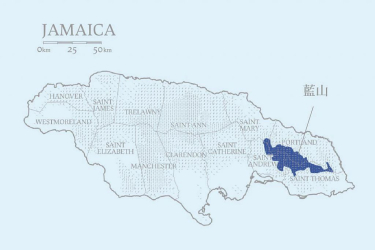
What is the taste of gourmet Blue Mountain Coffee (JABLUM)? what grade is the authentic Jamaican Blue Mountain Coffee?
Gourmet Blue Mountain Coffee (JABLUM) is an authentic Jamaican Blue Mountain Coffee brand with a long history, which is produced by the Mavisban Coffee Company, which accounts for 40% of Jamaica's Blue Mountain Coffee production every year. Blue Mountain Coffee comes from the Blue Mountains of Jamaica.
2023-02-23 Gourmet Blue Mountain Coffee JABLUM long History authentic Jamaica Brand
The specification and grade of coffee beans
Small and round dark brown coffee beans, quietly emitting a fragrant fragrance in the grinder, injected into the cup showing the beautiful color of amber, these are the three very deep impressions of coffee. As you explore the history and beauty of coffee, you can also see the coffee trees that are caressed by the tropical sun and whose leaves twinkle. It has small white flowers similar to jasmine.
2014-11-12 Coffee knowledge coffee common sense coffee beans specifications grades
Kenyan Kenya AA coffee beans Kenyan specialty Kenyan coffee boutique coffee beans how much is a jin
This classification method is based on a variety of perforated screen classification, the screen has a variety of specifications, identified by the number, the number is associated with the mesh. The size of the mesh-1 stroke 64 inches is the unit of calculation. If the diameter of the mesh is 18 stroke 64 inches, the number of the screen is 18; if the diameter of the mesh is 17 inch 64 inches, the number of the screen is 17. And so on, there are 19, 16, 15, 1
2016-05-04 Kenya coffee beans specialty coffee boutique less money one jin
The specification and grade of coffee beans basic knowledge of coffee
Small and round dark brown coffee beans, quietly emitting a fragrant fragrance in the grinder, injected into the cup showing the beautiful color of amber, these are the three very deep impressions of coffee. As you explore the history and beauty of coffee, you can also see the coffee trees that are caressed by the tropical sun and whose leaves twinkle. It has small white flowers similar to jasmine.
2015-06-04 Coffee beans specifications grades coffee basics common sense small round dark brown
A brief discussion on the perennial evergreen shrubs of the genus Coffee
1. Summary: coffee is a perennial evergreen shrub or small tree of Rubiaceae. It is native to tropical Africa and has been cultivated for more than 2000 years. The Arabs began to grow coffee in 525 BC, and it was popular for Arabs to stir-fry coffee beans. They began to grow coffee beans on a large scale after the 15th century, and were widely distributed in the tropics and subtropics of Europe, Asia, Africa and Latin America after the 18th century.
2015-08-19 Talking about coffee beans coffee perennials evergreen shrubs overview grass more