“South America Peru” search results (600)

Peruvian Coffee growing Environment introduces Peruvian boutique coffee beans
Peruvian coffee is grown in a planned way, which has greatly increased coffee production. Its rich acidity and mellow smoothness are its most prominent features. Peruvian coffee has a soft sour taste, medium texture, good taste and aroma, and is an indispensable ingredient in the production of comprehensive coffee. High-quality Peruvian coffee with a strong aroma, smooth, layered and full-bodied
2016-07-15 Peru coffee cultivation environment producing areas introduction boutique coffee beans
Coffee bean producing areas-South America-Ecuador (Ecuador)
Well-known representative coffee: Galapagos is between Colombia and Peru, and Ecuador, which passes through the equator, is one of the few countries in South America that produces both Arabica and Robastian coffee. In fact, Ecuador means the Spanish equator. Due to the use of old-fashioned traditional harvesting and handling methods, Ecuadorian coffee has not been
2015-01-04 Coffee beans producing areas South America Ecuador well-known representative
Coffee exports in Central and South America stabilize
Coffee exports from Central America, Mexico, Colombia, Peru and the Dominican Republic rose 4.5 percent in October from a year earlier, Guatemala's National Coffee Association (Anacafe) said today. October is the first month of this coffee harvest year. According to statistics, the total coffee export volume of the above countries in October was 1,947,884 bags (60 kg per bag), compared with the whole season of the previous harvest year.
2014-04-27 Central and South America Countries Coffee Exports Stabilization Guatemala Malaysia Associations
Taste mellow Peruvian boutique coffee flavor manor introduction Peruvian organic coffee
Peruvian coffee is grown in a planned way, which has greatly increased coffee production. Its rich acidity and mellow smoothness are its most prominent features. Peruvian coffee has a soft sour taste, medium texture, good taste and aroma, and is an indispensable ingredient in the production of comprehensive coffee. High-quality Peruvian coffee with a strong aroma, smooth, layered and full-bodied
2016-07-19 Taste mellow Peru boutique coffee flavor manor introduction organic
Elegant and mild sour Peruvian Coffee Flavor description Variety characteristics of Fine Coffee
Independence was declared on July 28, 1821, and the Republic of Peru was established. On October 28, 1835, Bolivia and Peru formally merged, known as the Confederacy of Peru and Bolivia. On February 20, 1839, the Confederacy completely disintegrated. Slavery was abolished in 1854. From 1879 to 1883, Peru joined Bolivia and Chile in the South American Pacific War for saltpeter production. After Peru's defeat, Chile captured the world.
2016-10-06 Elegant mild sour Peruvian coffee flavor description variety producing area characteristics
Introduction of Peruvian Coffee with smooth taste introduction of Peruvian Coffee Manor
Peruvian coffee is grown in a planned way, which has greatly increased coffee production. Its rich acidity and mellow smoothness are its most prominent features. Peruvian coffee has a soft sour taste, medium texture, good taste and aroma, and is an indispensable ingredient in the production of comprehensive coffee. High-quality Peruvian coffee with a strong aroma, smooth, layered and full-bodied
2016-07-11 Taste smooth Peru coffee introduction manor producing area flavor planting
Boutique coffee bean producing area-Ecuadorian coffee producing area in South America
Between Colombia and Peru, Ecuador, which passes through the equator, is one of the few countries in South America that produces both Arabica and robastian coffee. In fact, Ecuador means the Spanish equator. Due to the use of old-fashioned traditional harvesting and handling methods, Ecuadorian coffee is not listed as a boutique coffee, so it is generally rarely seen.
2016-03-23 Boutique coffee beans producing areas South America Ecuador coffee flavor Colombia
Coffee producing area and coffee flavor introduction what kind of coffee producing area produces better coffee?
Coffee comes from coffee beans, which are harvested and processed from the fruit of trees. Coffee trees grow at the center of the equator, between latitudes of 25 degrees south and north, and are called the homes of tropical or subtropical countries called coffee belts. At present, there are about 60 coffee-producing countries. Coffee is produced in South America, Central America, the West Indies, Asia, Africa, Arabia, the South Pacific and
2016-05-23 Coffee producing area flavor introduction how better coffee is from coffee beans and
Introduction of Peruvian boutique coffee bean flavor and taste manor area
Independence was declared on July 28, 1821, and the Republic of Peru was established. On October 28, 1835, Bolivia and Peru formally merged, known as the Confederacy of Peru and Bolivia. On February 20, 1839, the Confederacy completely disintegrated. Slavery was abolished in 1854. From 1879 to 1883, Peru joined Bolivia and Chile in the South American Pacific War for saltpeter production. After Peru's defeat, Chile captured the world.
2016-08-22 Taste balance Peru boutique coffee beans flavor taste manor producing area introduction
Introduction to coffee bean producing areas-Ecuadorian boutique coffee in South America
Well-known representative coffee: Galapagos is between Colombia and Peru, and Ecuador, which passes through the equator, is one of the few countries in South America that produces both Arabica and Robastian coffee. In fact, Ecuador means the Spanish equator. Due to the use of old-fashioned traditional harvesting and handling methods, Ecuadorian coffee has not been
2016-03-23 Coffee beans producing areas introduction South America Ecuador boutique coffee characteristics
Introduction to the main Coffee producing areas in the World
Coffee comes from coffee beans, which are harvested and processed from the fruit of trees. Coffee trees grow at the center of the equator, between latitudes of 25 degrees south and north, and are called the homes of tropical or subtropical countries called coffee belts. At present, there are about 60 coffee-producing countries. Coffee is produced in South America, Central America, the West Indies, Asia, Africa, Arabia, the South Pacific and
2015-04-14 Coffee basics common sense world major producing areas introduction coffee is from coffee beans
Peruvian Coffee Grinding characteristics and Flavor description introduction to Fine Coffee beans in Manor
Peru is a huge and diversified land for them to produce a large number of different kinds of coffee beans, Peru can produce very high-quality Peruvian coffee. In general, these coffee beans have the gloss of Central America, but they are all packaged in South American flavor. High-quality organic venues do have more rural coffee characteristics. As long as these coffee beans keep adding interesting things
2016-10-11 Peru coffee grinding characteristics flavor description taste manor boutique coffee beans
Introduction of major coffee producing areas in the world Central and South American coffee beans, African coffee beans, Asian coffee beans
[introduction] Coffee comes from coffee beans, which are harvested and processed from the fruit of trees. Coffee trees grow at the center of the equator, between latitudes of 25 degrees south and north, and are called coffee belts in the homes of tropical or subtropical countries. at present, raw coffee comes from coffee beans, which are harvested and processed from the fruits of the trees. Coffee trees grow at the center of the equator.
2016-04-22 World main coffee producing areas introduction Central and South America coffee beans Africa Asia
Introduction of Peruvian Coffee Bean varieties Peruvian Coffee Brand Peruvian Organic Coffee Fine Coffee beans
Peruvian coffee is grown in a planned way, which has greatly increased coffee production. Its rich acidity and mellow smoothness are its most prominent features. Peruvian coffee has a soft sour taste, medium texture, good taste and aroma, and is an indispensable ingredient in the production of comprehensive coffee. High-quality Peruvian coffee with a strong aroma, smooth, layered and full-bodied
2016-07-25 Peru coffee beans varieties coffee brands organic boutique introduction cultivation
Introduction to coffee bean producing areas-- characteristics of Ecuadorian fine coffee in South America
Well-known representative coffee: Galapagos is between Colombia and Peru, and Ecuador, which passes through the equator, is one of the few countries in South America that produces both Arabica and Robastian coffee. In fact, Ecuador means the Spanish equator. Due to the use of old-fashioned traditional harvesting and handling methods, Ecuadorian coffee has not been
2016-03-28 Coffee beans producing areas introductions South America Ecuador boutique coffee characteristics well-known
Rich aroma of Peruvian coffee flavor description of grinding degree taste characteristics of high-quality coffee in producing areas
Peruvian coffee beans are best known for their coffee beans from Chimacha Mayou in the middle and Cusco in the south. In addition, some areas in northern Peru also produce characteristic organic coffee. Organic coffee is made of beans grown in the shade of trees. Although the yield of coffee beans is not high because of the method of planting in the shade, its quality can reach the level of gourmet coffee. This is due to
2016-10-14 Full-bodied aroma Peru coffee flavor description grinding taste characteristics variety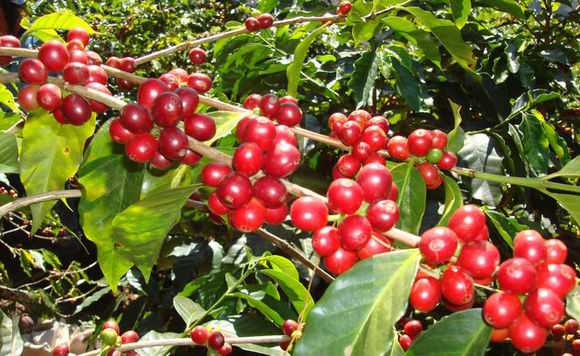
Is the fairness of Sunshine Cooperative in Cajamaka producing area in Peru Robusta species or Arabica species?
Global coffee bean tree species are mainly divided into: Arabica and Canephora, of which Arabica coffee beans account for more than 100 coffee varieties of 70%80%coffee. The more common coffee varieties are: Arabica Arabica, with outstanding personality and unique flavor, is the main force of boutique coffee, mainly used in coffee shop management and high-end coffee market supply; Robsta
2016-04-22 Peru Caha Maka producing areas Sunshine Cooperatives Fairness Robes Booth and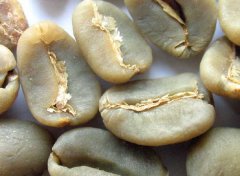
Top Coffee in the World introduction to South American Coffee
South American coffee SOUTH AMERICA COFFEES Brazil coffee Brazil Coffee Colombia coffee Colombia Coffees secret coffee Peru Coffees Bolivian coffee Bolivia Coffees Venezuelan coffee Venezuela Coffees Ecuador coffee Ecuador Coffees
2016-06-15 World Top Coffee introduction South America boutique single S
High-grade vanilla sweet Bolivian coffee manor flavor taste characteristics of boutique coffee beans
Bolivia was rescued from independence by Bolivar, a national hero from Caracas, Venezuela, during the War of Independence in Latin America in the 18th century, so the country was named after him. On August 6, 1825, independence from Spain was declared, named the Bolivarian Republic, and later changed to its present name. It formed a federation with Peru in 1836 and collapsed as a result of the Chilean invasion in 1839. one hundred and eighty six
2016-08-15 Premium vanilla sweet Bolivia coffee manor flavor taste characteristics
Introduction to the characteristics of Peruvian Coffee Organic Coffee
Peruvian coffee beans are best known for their coffee beans from Chimacha Mayou in the middle and Cusco in the south. In addition, some areas in northern Peru also produce characteristic organic coffee. Organic coffee is made of beans grown in the shade of trees. Although the yield of coffee beans is not high because of the method of planting in the shade, its quality can reach the level of gourmet coffee. This is due to
2016-08-05 Taste mellow Peruvian coffee flavor manor producing area characteristics introduction organic