“Smallholder” search results (225)

Acidity and texture of Ethiopian Coffee Manor Flavor characteristics of Fine Coffee beans
In Ethiopia, the grading and quality control system of coffee is divided into three levels: producer, regional and national. All coffee is inspected by local inspection agencies before leaving the country of origin, and then re-tested at the coffee inspection and grading centers in Addis and Diredawa to determine its quality grade. Coffee is graded before auction and sale, for all involved in production, acquisition,
2016-08-11 Acidity texture Ethiopia coffee manor producing area flavor taste characteristics
Fragrant Sidamotad Manor Coffee with Jasmine introduction to boutique Coffee
Kaibedo is a small coffee cooperative in a small town in Dala, Sidamo Province. each small coffee farmer here has an average planting area of about 0.6 hectares and is composed of hundreds of coffee farmers. it is planted nearly 2000 meters above sea level, the climate varies greatly, and the soil is fertile, providing an excellent growing environment, and the raw bean itself exudes a strong aroma of raisins and fermented wine. Near
2016-08-16 Jasmine floral fragrant Dharma Ted manor coffee flavor taste characteristics
Ethiopia, the largest producer of coffee in Africa.
Coffee grading and quality control system in Ethiopia, coffee grading and quality control system is divided into three levels: producer, regional and national. All coffee is inspected by local inspection agencies before leaving the country of origin, and then re-tested at the coffee inspection and grading centers in Addis and Diredawa to determine its quality grade. Coffee is graded before auction and sale
2016-06-16 Africa largest producer Ethiopia coffee
Ethiopian Coffee Bean Flavor Manor introduces Ethiopian Coffee Brands
Sun-cured coffee accounts for 65% of exports. Mainly picked by families, red coffee beans are placed on cement floors or on high tables to dry to about 11.5% humidity, then peeled and cleaned. Coffee grading and quality control system in Ethiopia, coffee grading and quality control system is divided into three levels: producer, regional and national. All coffee goes through before leaving the country of origin.
2016-07-20 Ethiopia coffee beans flavor taste manor producing area introduction coffee brand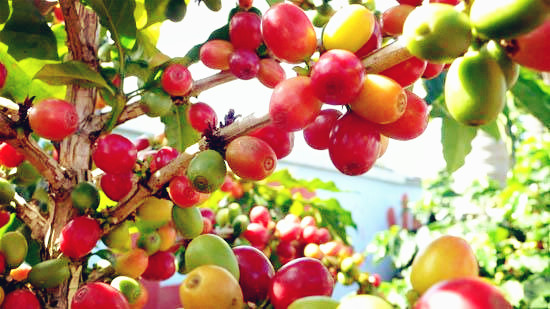
Grade A washing treatment of pearl round beans at Chimere Manor in PNG, Papua New Guinea, a world coffee producing region
Located in the east of the Indonesian archipelago, Papua New Guinea, which is dominated by highlands, has a pattern of large manors / farms and small farmers, growing a variety of coffee varieties. The flavor of coffee in Papua New Guinea is very different from that of coffee from other Asian regions such as Indonesia, South Asia, India or the Pacific Islands; compared to Indonesian beans, which are mostly semi-washed (wet peeled).
2016-03-31 World Coffee producing areas Papua New Guinea PNG Mayer Manor Water washing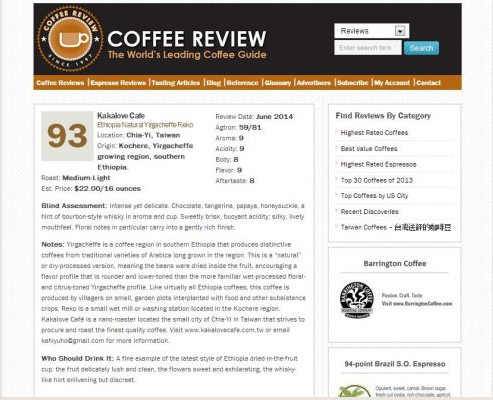
Description of hand-made flavor of Yega Shirley Felico boutique coffee beans in Ethiopia
This Yega Snow Felike Cooperative from Cochel, Ethiopia, uses traditional Ethiopian sun treatment and grows more than 1850 meters above sea level, so the acidity is very delicate and the sweetness is very good. Although the official label is G3, almost all the raw beans actually have a G1 appearance.
2022-07-17 Ethiopia Yega Sheffield Rico cooperative boutique coffee beans this one come on.
Introduction to the taste and flavor of Ethiopian coffee
In Ethiopia, the grading and quality control system of coffee is divided into three levels: producer, regional and national. All coffee is inspected by local inspection agencies before leaving the country of origin, and then re-tested at the coffee inspection and grading centers in Addis and Diredawa to determine its quality grade. Coffee is graded before auction and sale, for all involved in production, acquisition,
2016-06-27 Ethiopia coffee type taste and its flavor introduction
The wine-like sour Ethiopian coffee Yega Snow Coffee Gediyo Eastern Highland Mountains
Coffee is Ethiopia's most important export cash crop and the main source of Ethiopia's foreign exchange earnings. Ethiopia's coffee exports account for about 3% of the world market, making it the eighth largest coffee exporter in the world. Coffee exports increased steadily from 58000 tons in 1990 to 110000 tons in 1995-1996 and remained at this level in the following years. 2001-2002
2016-07-05 Yes wine same sour Ethiopian coffee Yega snow coffee Ge
Unique aromatic Ethiopian Coffee Flavor Taste introduction to Fine Coffee in Manor production area
Coffee is Ethiopia's most important export cash crop and the main source of Ethiopia's foreign exchange earnings. Ethiopia's coffee exports account for about 3% of the world market, making it the eighth largest coffee exporter in the world. Coffee exports increased steadily from 58000 tons in 1990 to 110000 tons in 1995-1996 and remained at this level in the following years. 2001-2002
2016-08-09 Unique fragrant Ethiopian coffee flavor taste manor producing area characteristics
How much is a kilo of coffee beans? how to buy coffee beans? Ethiopian native species sun-dried coffee raw bean price
Coffee seeds cannot be grown directly with coffee fruits picked from coffee trees. Peeling coffee fruits is like planting peanuts. If you plant a peanut with a shell in the soil, it cannot sprout. You must plant peanuts. It is the same with medium coffee. If you have coffee fruit in your hand, you can first bask it in the sun and shake it until it is shaken inside.
2016-04-15 Coffee beans less money one jin how to buy Ethiopia native sun coffee
The characteristics of the grindability of Ethiopian coffee with nut flavor introduction to the manor in the producing area
In Ethiopia, the grading and quality control system of coffee is divided into three levels: producer, regional and national. All coffee is inspected by local inspection agencies before leaving the country of origin, and then re-tested at the coffee inspection and grading centers in Addis and Diredawa to determine its quality grade. Coffee is graded before auction and sale, for all involved in production, acquisition,
2016-10-10 Nuts aroma Ethiopia coffee grinding taste characteristics varieties producing areas
Ethiopian Coffee Flavor and Taste introduction of fine coffee beans in Ethiopian coffee producing areas
Coffee is Ethiopia's most important export cash crop and the main source of Ethiopia's foreign exchange earnings. Ethiopia's coffee exports account for about 3% of the world market, making it the eighth largest coffee exporter in the world. Coffee exports increased steadily from 58000 tons in 1990 to 110000 tons in 1995-1996 and remained at this level in the following years. 2001-2002
2016-07-29 Ethiopia coffee flavor taste introduction producing area boutique coffee beans
Coffee flavor and taste characteristics of Ethiopian Yega Fischer Manor with fermented wine flavor
In Ethiopia, Japanese beans are usually found, such as small stones or twigs, so special attention should be paid to grinding. Of course, there are these small shortcomings, but it does not affect his taste, the most worth mentioning is that sidamo's extra-low mocha caffeine is a natural decaf coffee, try Japanese coffee, feel the wild and unrestrained desert reason
2016-08-12 Fermented fragrant Ethiopia Yega Sheffiko Cher Manor Coffee Flavor
Ethiopian Coffee Manor Flavor description Grinding degree Variety characteristics introduction to the taste of fine coffee beans
In Ethiopia, the grading and quality control system of coffee is divided into three levels: producer, regional and national. All coffee is inspected by local inspection agencies before leaving the country of origin, and then re-tested at the coffee inspection and grading centers in Addis and Diredawa to determine its quality grade. Coffee is graded before auction and sale, for all involved in production, acquisition,
2016-10-10 Ethiopia coffee manor flavor description grinding varieties characteristics boutique
Home-baked boutique coffee (5) Harald, Ethiopia
Ethiopia, as the hometown of coffee, plays an important role in the field of coffee in the world because of its superior natural conditions and long history of coffee production and drinking. Coffee was first discovered 1500 years ago in the Kafa region of southern Ethiopia. Up to now, there are still a large number of wild primitive coffee trees in the country, and many farmers have coffee trees in their courtyards.
2014-09-12 Coffee knowledge coffee roasting boutique coffee roasting Hala
Ethiopian Coffee Flavor and Taste introduction of fine coffee beans in estates of Ethiopian coffee producing areas
Coffee is Ethiopia's most important export cash crop and the main source of Ethiopia's foreign exchange earnings. Ethiopia's coffee exports account for about 3% of the world market, making it the eighth largest coffee exporter in the world. Coffee exports increased steadily from 58000 tons in 1990 to 110000 tons in 1995-1996 and remained at this level in the following years. 2001-2002
2016-07-27 Ethiopia coffee flavor taste introduction producing area manor boutique coffee beans
Ethiopian coffee varieties with wine-like sour taste introduce boutique coffee beans
In Ethiopia, the grading and quality control system of coffee is divided into three levels: producer, regional and national. All coffee is inspected by local inspection agencies before leaving the country of origin, and then re-tested at the coffee inspection and grading centers in Addis and Diredawa to determine its quality grade. Coffee is graded before auction and sale, for all involved in production, acquisition,
2016-07-11 Yes wine same sour Ethiopian coffee variety introduction boutique
Kenya Coffee Flavor Description Processing Characteristics Variety Taste Manor Introduction
1. Coffee contains certain nutrients. Nicotinic acid in coffee contains vitamin B, which is higher in roasted beans. And there are free fatty acids, caffeine, tannic acid and so on. 2. Coffee is good for the skin. Coffee can promote metabolic function, activate digestive organs, constipation has a great effect. Bathing with coffee powder is a kind of thermotherapy, which has the effect of losing weight. 3. coffee has
2016-10-15 Kenya Coffee Flavor Description Processing Characteristics Variety Taste Manor Introduction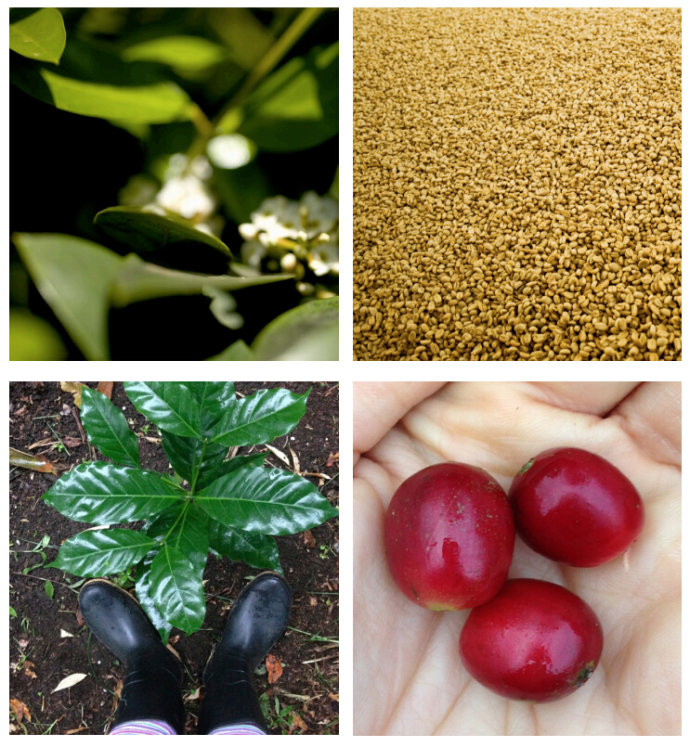
Coffee Bean selection course Coffee Bean Brand Type Guide Yega Fischer kochere washing G2
With the deepening of people's contact with coffee, ordinary taste can no longer meet people's needs. As a result, more and more coffee lovers will buy their own beans and go home from the beginning of grinding, blending their favorite coffee flavor step by step. The size of coffee beans
2016-04-19 Coffee beans shopping tutorials brands categories guides Yega Sheffiko Cher k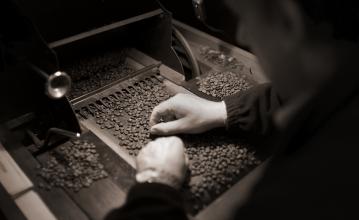
Characteristics of Iron pickup and bourbon varieties and treatment of Tarazhu Coffee beans in Costa Rica
Global coffee bean tree species are mainly divided into: Arabica and Canephora, of which Arabica coffee beans account for more than 100 coffee varieties of 70%80%coffee. The more common coffee varieties are: Arabica Arabica, with outstanding personality and unique flavor, is the main force of boutique coffee, mainly used in coffee shop management and high-end coffee market supply; Robsta
2016-04-22 Pickup or bourbon coffee beans price Costa Rica Tara pearl diamond stone mountain