“Searle” search results (71)

What are the world-famous Ethiopian coffee? What kind of coffee do you have in Ethiopia? Africa
The world-famous Ethiopian coffee is mainly as follows: 1. Limu coffee grows between 1400 meters and 2000 meters above sea level. Wash the coffee. Excellent quality, with strong nut aromas, suitable acidity, with the intensity of wine. The annual output is 29000 tons. 2. Jima Coffee grows between 1400 and 1800 meters above sea level. Sun-baked coffee. Slightly sour, with nutty aromas and a long finish. Annual output
2016-04-27 World famous Ethel Searle Biya Coffee which Africa
Harald coffee beans harar Ethiopian mocha coffee beans
Ethiopia is the first country in the world to grow coffee and maintain the oldest coffee culture. So far, it is still grown in small-scale families and maintains very traditional and ancient coffee growing techniques and methods, so pesticides and other chemical fertilizers will never be used, so Ethiopian coffee, like Yemeni mocha coffee, is the best choice for those who advocate nature.
2016-06-05 Harald Rahl Coffee beans harar Ethel Searle Biya Mocha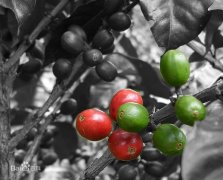
Djimmah is medium in texture and rugged with earthy Ethiopian boutique coffee beans.
The coffee-producing region of Ethiopia is divided into east and west parts by the East African Rift Valley, with lakes, volcanoes, lowlands, plateaus and woodlands interlaced, each evolving. Ethiopia has the most diverse coffee ecosystem in the world (forest coffee, semi-forest coffee, pastoral coffee and plantation coffee), which also preserves its rich Arabica genes. The eastern half is mostly plateaus, coffee beans.
2016-07-04 Gemma Djimmah texture medium rough rustic Ethel Searle
Ethiopian Coffee Export Coffee Fine Coffee Kenya Yega Chuefei
Coffee export coffee is Ethiopia's most important export cash crop and the main source of Ethiopia's foreign exchange earnings. Ethiopia's coffee exports account for about 3% of the world market, making it the eighth largest coffee exporter in the world. Coffee exports increased steadily from 58000 tons in 1990 to 110000 tons in 1995-1996 and remained at this level in the following years. two
2016-04-22 Ethel Searle Biya Coffee Export Fine goods Kenya Yega Sheffield
Djimmah producing area Ethiopian boutique coffee beans African flavor coffee
Yega Chefe and Sidamo, which are famous for their bright sour taste, are famous for their charming and mixed fragrance, while the western half of the forest is covered with a large area of primeval forest, mostly in the process of complete natural evolution, creating a more complex variety of coffee. The coffee varieties in the Kafa forest in the southwest are extremely resistant to disease. Due to natural evolution and less manual screening, its overall flavor is slightly lower than that of the eastern half of the wall. The coffee producing areas of Ethiopia are
2016-07-15 Gemma Djimmah producing area Ethel Searle Biya boutique coffee beans
Export of coffee Ethiopian coffee exports high-quality coffee beans from Africa
Coffee is Ethiopia's most important export cash crop and the main source of Ethiopia's foreign exchange earnings. Ethiopia's coffee exports account for about 3% of the world market, making it the eighth largest coffee exporter in the world. Coffee exports increased steadily from 58000 tons in 1990 to 110000 tons in 1995-1996 and remained at this level in the following years. 2001-2002
2016-04-27 Coffee export Ethel Searle Biya export volume Africa quality coffee beans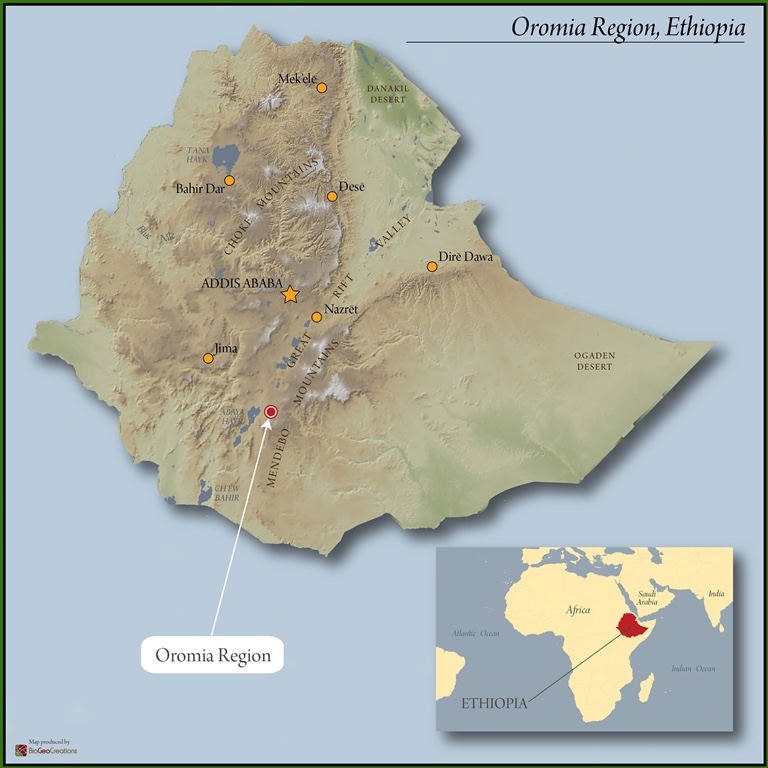
World Fine Coffee Manor Ethiopia: introduction of Coffee Raw beans in Hambela Manor
Chengdu Coffee training Hambela Manor has countless coffee-producing countries, but it can be remembered. These are the places where coffee is produced in large quantities. Where does the Ethiopian Sidamo or Yegashifi we usually drink come from? Most of them come from treatment plants (mill) or Farmers' Cooperative Alliance (farmer cooperative union), which are mainly planted by small farmers.
2015-12-25 World boutique coffee manor Ethel Searle Biya producing area Hambe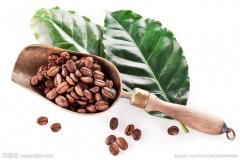
Yirga Cheffe) Ethiopian coffee beans popular individual coffee
Boutique coffee (specialty coffee) is also called specialty coffee selection coffee. It refers to coffee made from a small number of raw beans with excellent taste grown in an ideal geographical environment. Depending on the special soil and climatic conditions in which they grow, they have outstanding flavor. After strict selection and classification, this kind of coffee is hard in texture, rich in taste and stylish.
2016-06-19 Yega Chevy Yirga Cheffe Ethel Searle Biya Caf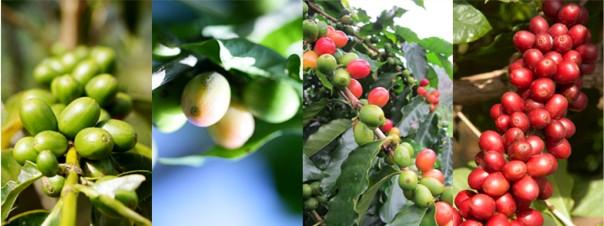
Ethiopia-Sidamo, the manor of the producing area, is treated by exquisite washing or sun exposure.
Ethiopia-producing area manor Sidamo grows between 4600 and 7200 feet above sea level on the southernmost Ethiopian plateau (Sidamo province). Southeast of Gima, just south of the capital, it is usually sweeter and more popular. Its annual output is about 225000bags/60kg, the bean body is smaller than Longberry, and it is greenish in green. in the sun-drying field of Xidamo, coffee is placed on hemp net wooden rack.
2016-04-18 Ethel Searle Biya producing area Manor Dharma passing exquisite washing solarization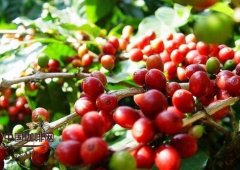
Ethiopian flavor Yirgacheffe African coffee from Hidamo province
Ethiopia (Ethiopia) aroma 5 minutes brightness 4.5 minutes mellow 5 minutes flavor 4.5 minutes aftertaste 4.5 minutes suitable for baking: Light/Medial/City shallow baking to city baking can be, if the emphasis on fruit and flower aroma, then you must use shallow baking, you can even stop baking before the end of an explosion (Yirgacheffe)! To emphasize the flavor or to mix with the espresso formula
2016-06-20 Ethel Searle Biya Flavor Dama Province Yega Sheffield Yirgach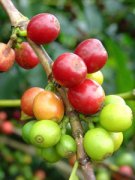
Production and processing of coffee flavor of Ethiopian coffee beans
Ethiopia's geographical environment is very suitable for coffee growth. Coffee is mainly grown in the southern highlands between 1100 and 2300 meters above sea level. The main coffee producing areas are Harar, Limu, Djimma, Sidamo, Kaffa, Yergacheffe and Wellega. The soil drainage in these areas is good.
2016-05-16 Coffee production processing Ethel Searle Biya Coffee beans Flavor Ethiopia Earth
What is the most caffeinated coffee in common coffee trees?
Ethel sa is a variety that was discovered in 1904 and originated in the Charlie River Basin in Africa. It has small fruit and high yield per plant, especially a drought-resistant variety. The product has a strong flavor, slightly bitter taste and less cultivation. What are the types of coffee trees? There are four common varieties of coffee trees, and the editor has introduced them to you. Different varieties of coffee beans have different flavors, but that is
2016-06-08 Common coffee tree species category which caffeine high Ethel Searle sa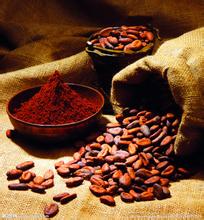
Brazilian coffee beans Santos Ethiopia Jimamoca coffee beans
Brazilian raw coffee beans are classified into 7 grades of N0.2No.8 according to the number of defective beans and sundries. The smaller the number, the higher the grade, and No.2 is the highest grade. According to the size of the particles, it is divided into 9 grades of S12S20, the larger the number, the bigger the particles, the higher the grade. S20 is the largest particle. Brazilian coffee generally refers to coffee produced in Brazil. There are many kinds of coffee in Brazil, such as
2016-06-08 Brazil coffee beans Tos Ethel Searle Biya Gemma mocha coffee
Harald Harra Ethiopian Coffee the most primitive and simple coffee
Harald, a name that reflects the rise and fall of Ethiopia; Harald Coffee, known as the coffee of the wilderness, is more like a beautiful legend. Harald coffee has a high-quality Arab flavor, but the taste is different. Some are full-bodied, low-bodied and have a strong wine flavor, while others are rich, smooth with a light fruity aroma, or with a wonderful dark chocolate finish. But...
2015-01-31 Harald Rahl Harra Ethel Searle Biya Coffee primitive Jane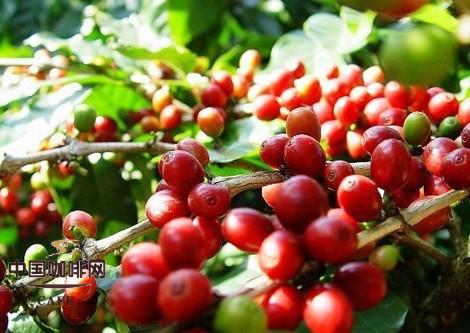
Ethiopian boutique coffee Ethiopian geographical environment Ethiopian coffee harvest fruity flavor in a year
Ethiopia's geographical environment is very suitable for coffee growth. Coffee is mainly grown in the southern highlands between 1100 and 2300 meters above sea level. The main coffee producing areas are Harar, Limu, Djimma, Sidamo, Kaffa, Yergacheffe and Wellega. The soil drainage in these areas is good.
2016-07-12 Ethel Searle Biya boutique coffee Ethiopia geography one year harvest
Introduction of High quality Coffee in Ethiopia-- taste characteristics of Harald Coffee Harald Coffee
Harald, a name that reflects the rise and fall of Ethiopia; Harald Coffee, known as the coffee of the wilderness, is more like a beautiful legend. Harald coffee has a high-quality Arab flavor, but the taste is different. Some are full-bodied, low-bodied and have a strong wine flavor, while others are rich, smooth with a light fruity aroma, or with a wonderful dark chocolate finish. But...
2016-03-29 Ethel Searle Biya premium boutique coffee introduction Harald Rahl mouth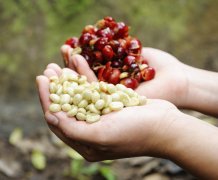
Ethiopia has both the fragrance of fruit and flowers and the sweetness of honey, which is why many people enter the boutique coffee.
Ethiopia (Ethiopia) aroma 5 minutes brightness 4.5 minutes mellow 5 minutes flavor 4.5 minutes aftertaste 4.5 minutes suitable for baking: Light/Medial/City shallow baking to city baking can be, if the emphasis on fruit and flower aroma, then you must use shallow baking, you can even stop baking before the end of an explosion (Yirgacheffe)! To emphasize the flavor or to mix with the espresso formula
2016-05-10 Ethel Searle Biya both fruity floral honey sweet many people into
Where can I buy African Bean Front Street Cafe for export and quality of Ethiopian coffee?
Ethiopia is one of the major producers of Arabica coffee in Africa, producing the best Arabian coffee in the world. It is said that coffee was first discovered by shepherds in Essekafa, and the name of coffee evolved from Kafa, so Essex is still the hometown of coffee. The geographical environment of coffee production and processing is very suitable for coffee growth. Coffee is mainly cultivated.
2016-04-28 Ethel Searle Biya coffee export and quality where you can buy it.
Ethiopian coffee beans Brazilian coffee beans
Brazilian raw coffee beans are classified into 7 grades of N0.2No.8 according to the number of defective beans and sundries. The smaller the number, the higher the grade, and No.2 is the highest grade. According to the size of the particles, it is divided into 9 grades of S12S20, the larger the number, the bigger the particles, the higher the grade. S20 is the largest particle. Brazilian coffee generally refers to coffee produced in Brazil. There are many kinds of coffee in Brazil, such as
2016-06-05 Ethel Searle Biya coffee beans Brazil grades classification
Grade analysis of Ethiopian coffee beans how about Ethiopian coffee? Ethiopian coffee
Ethiopian coffee beans are divided into five levels. The first and second stages are washed beans. Washed beans Grade1 represents 3 defective beans per 300g raw beans, and Grade2 represents 4 defective beans per 300g. Gradc1 grade water washed beans are very rare and are generally difficult to buy. At present, all the washed beans exported from Ethiopia are Grade2 grade. The quality of sun-dried beans is Grade3 and Grade4 in order.
2016-03-16 Ethiopia coffee beans grade analysis Ethel Searle Biya coffee how