“Rust” search results (2125)

The History of Coffee introduction and expansion in China in the early stage (5)
1. From the first peak period of the development of China's coffee industry (1952-1961) to the late 1940s, according to recorded figures, there are 2173.33 hectares of rubber plantations in Hainan Island, with a total of 867600 rubber trees, with an annual output of 199,000 tons of dry rubber, and more than 300,000 coffee plants. the annual output of coffee beans is 1 ton. According to a survey in the early 1950s, there was a large amount of coffee left in Fushan area of Chengmai County, with a total of 70,000.
2014-12-01 Coffee History Common sense early China introduction expansion planting Industry
Basic knowledge of Coffee beans (1)
Coffee belongs to the evergreen shrub of the genus Rubiaceae, which is centered in the tropics. There are about 6000 species of Rubiaceae belonging to 500 genera.
2014-07-15 Coffee knowledge coffee basics coffee encyclopedia
Introduction to the quality and Flavor description of Arabica Coffee varieties
Bourbon coffee features iron pickup "Typica" iron pickup, the name sounds majestic, but in fact it is not so strong. It has a weak physique, poor disease resistance, easy to catch rust leaf disease and produces less fruit. It is one of the oldest native varieties in Ethiopia, and many Arabica are derived from iron pickups! The bronze color of the top leaf of the iron pickup is one of the characteristics, and the bean grain is large and pointed.
2016-10-19 Rabbi coffee variety quality flavor description treatment taste grinding introduction
Indonesia GEE Mantenin Coffee processing Plant Price characteristics Flavor description method taste introduction
Manning coffee beans the prosperity of Indonesian coffee was not sustainable, coffee production was fatally hit at the end of the 18th century, and leaf rust, originally found in West Java, spread rapidly, destroying Indonesia's Arabica coffee estate. The leading position of the coffee trade was replaced by the American producing countries. However, it is worth mentioning that the leaf rust disaster did not affect the eastern Indonesian producing areas, namely, Flores Island and
2016-10-19 Indonesia GEE Mante coffee processing plant price characteristics flavor description location
Three original species and basic knowledge of Coffee
There are about 40 species of coffee plants in the three native species of coffee, but the only ones that can produce coffee beans of commercial value are Arabica, Robusta and Liberian. these three species are called the three original species of coffee. 1. The origin of the Arabica species (scientific name Coffea arabica) is the Abyssinia Plateau of Ethiopia (present-day Ethiopia).
2016-06-01 Coffee three original basic knowledge coffee native plant about 4
The knowledge of coffee beans what is the knowledge of coffee?
1. The origin of the Arabica species (scientific name Coffea arabica) is the Abyssinia Plateau of Ethiopia (now the Ethiopian Plateau). In the early days, it was mainly eaten as medicine (Islamic couples used as a secret medicine to cure the body and mind or to awaken the brain). It developed the habit of baking and drinking in the 13th century and was introduced into Europe through the Arab region in the 16th century.
2016-06-06 Coffee beans knowledge coffee what rabbi card species scientific name Coffea a
Learn about the three native species of coffee
Coffee belongs to the evergreen shrub of the genus Coffea of Rubiaceae, which is centered in the tropics. There are about 6000 species of Rubiaceae plants in this area. Coffee has always been considered to have certain effects, such as invigorating the stomach, waking up the brain, stopping bleeding, dissipating heat, strengthening the body and so on. The more famous Rubiaceae plant is Gardenia jasminoides, whose fruit was dried and used as medicinal material a long time ago.
2014-08-25 Coffee knowledge coffee bean varieties three major coffee varieties Arabica species Robusta species
What are the three native species of coffee beans? 2016 the latest coffee information
There are about 40 species of coffee plants in the three native species of coffee, but the only ones that can produce coffee beans of commercial value are Arabica, Robusta and Liberian. these three species are called the three original species of coffee. 1. The origin of the Arabica species (scientific name Coffea arabica) is the Abyssinia Plateau of Ethiopia (present-day Ethiopia).
2016-06-13 Coffee beans three native coffee plant there are about 40 species can
Introduction to the flavor and taste characteristics of Arabica coffee manor in Indonesia
West Africa, the origin of coffee grown in Liberia, has a strong adaptability to all kinds of environments, such as high or low temperature, humidity or dryness, except that it is not resistant to leaf rust and its flavor is worse than that of Arabica, so it is only traded or planted in some West African countries (Libya, C ô te d'Ivoire, etc.). Among the coffee in circulation in the world market, about
2016-07-13 Indonesia Rabbi Coffee Manor producing area Flavor palate characteristics introduction
Vietnam Coffee producing areas Coffee varieties Coffee picking methods Coffee beans in three major producing areas two major species introduction
Vietnam Coffee Flavor description Vietnam (Vietnam) well-known representative coffee: Vietnam coffee Vietnam is also one of the top coffee producers in the world. At present, the vast majority of coffee trees in Vietnam are Robusta, because the leaf rust in the middle of the 19th century destroyed the Arabica coffee trees in Vietnam, and all of them were resistant to leaf rust.
2016-10-20 Vietnam coffee producing area flavor taste variety picking way coffee beans three major
Coffee three native species Arabica species: Ethiopia 90+levelup Flower language Sunlight Sidama
Coffee belongs to Rubiaceae coffee evergreen shrubs, tropical regions as the center, about 500 genera 6000 species of Rubiaceae plants distributed in this. Coffee has long been considered to have certain medicinal effects, such as stomach, mind, hemostasis, heat dissipation, physical strength and so on. There are about 40 species of plants in the genus Coffea, but only Arabica, Robusta and Libby can produce coffee beans with commercial value.
2016-04-05 coffee three major native species a rabbi kaspecies ethiopia 90 +lev
Introduction to the varieties and characteristics of Coffee beans
Typica, also known as Tippica, is the closest to the native species of Arabica, where almost all Arabica varieties originated. It was widely cultivated in Central and South America in the past, with long beans and excellent aroma and sour taste, but it is not resistant to leaf rust and requires a considerable number of shading trees, resulting in low production (same as bourbon, every two).
2016-06-05 Coffee beans varieties and their characteristics introduction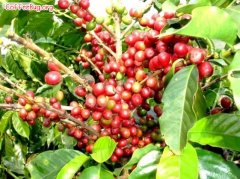
The basic knowledge of coffee beans The three original species of coffee
Coffee belongs to the evergreen shrubs of the genus Coffee of Rubiaceae, centered in tropical regions, with about 500 genera and 6000 species of Rubiaceae plants distributed here. Coffee has long been thought to have certain medicinal effects, such as invigorating stomach, refreshing mind, stopping bleeding, dissipating heat, strengthening body, etc. More famous Rubiaceae plants and gardenia, its fruit has long been dried as medicine
2015-11-06 coffee beans basics coffee three big native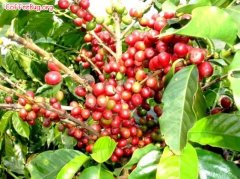
The basics of coffee beans the three native species of coffee
Coffee belongs to the evergreen shrub of the genus Rubiaceae, which is centered in the tropics. There are about 6000 species of Rubiaceae belonging to 500 genera. Coffee has always been thought to have certain effects, such as strengthening the stomach, waking up the brain, stopping bleeding, dissipating heat, strengthening the body, and so on. The more famous Rubiaceae plant is Gardenia jasminoides, whose fruit was dried and used as medicinal material a long time ago. The three native species of coffee
2015-01-26 Coffee beans basic knowledge coffee three native belong to grass family evergreen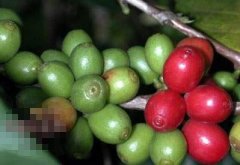
Three native species of coffee
There are about 40 species of coffee, but only one of them can produce coffee beans of commercial value. Arabica, Robusta and Liberia are called the "three native species of coffee".
2014-06-09 Coffee knowledge coffee varieties coffee encyclopedia
Coffee producing area Honduras
Honduran coffee has a good reputation and is suitable for mixed coffee. Coffee in Honduras is imported from El Salvador.
2014-06-19 Coffee knowledge Coffee Origin Honduras
Coffee producing area-Honduras
Overall, Honduran coffee has a good reputation and is suitable for mixed coffee. Coffee in Honduras is imported from El Salvador. Honduras produces high-acid high-quality coffee. Like other places, the coffee grade in Honduras depends on altitude: coffee grown at 700 to 1000 meters above sea level is medium and grown at 1000 to 1500 meters above sea level
2014-08-21 Coffee knowledge coffee beans Honduras coffee producing area
Coffee producing areas in Honduras
Coffee in Honduras is imported from El Salvador. Coffee production in Honduras increased significantly after the Brazilian frost in 1975, more than tripling in 20 years.
2014-09-01 Coffee knowledge Honduran coffee coffee producing area
Honduras, the global coffee producer
Coffee from Honduras (Honduras), the global coffee producer, is imported from El Salvador. Honduras produces high-acid high-quality coffee. Like other places, the coffee grade in Honduras depends on altitude: coffee grown at 700-1000 meters above sea level is medium, coffee grown at 1000-1500 meters above sea level is high-grade, 1500-1500 meters above sea level.
2014-09-11 Global coffee producing area Honduras
World boutique coffee producing area Honduran coffee beans
Overall, Honduran coffee has a good reputation and is suitable for mixed coffee. Coffee in Honduras is imported from El Salvador. Honduras produces high-acid high-quality coffee. Like other places, the coffee grade in Honduras depends on altitude: coffee grown at 700 to 1000 meters above sea level is medium and grown at 1000 to 1500 meters above sea level
2014-09-17 Coffee knowledge world boutique coffee coffee producing area Honduran coffee beans