“Rot” search results (441)

Where did Brazilian coffee come from? introduction to the history and culture of development.
In 1657, an English newspaper reported that coffee has many effects on gastric ulcers, can strengthen the heart, promote digestion, lift spirits, relax the mood, treat eye diseases, colds, coughs, lung diseases, headaches, edema, gout, scurvy, adenosis, and other diseases. Coffee is sometimes described as an elixir of immortality, and sometimes it is regarded as poison, because some people suffer from coffee discomfort, such as insomnia and anger
2016-10-17 Brazil coffee originally from where development history and culture introduction 165
How to judge whether the raw coffee beans are fresh or not
From the fruit state of coffee beans when they are picked from the tree to the state of raw beans that can be baked, the moisture content of coffee beans will be controlled between 9% and 13%, and it is not easy to bake if the water content is too high or too low. Generally, we get newly collected raw beans with water washing treatment, the moisture content is usually about 11.5% to 12.5%, half-washed Mantenin may reach 13%, and half-washed Brazil is 11% ~ 12% per day.
2014-07-09 Judge whether the coffee beans are fresh whether the coffee beans are fresh
Aroma rich and unique Bolivian coffee varieties Flavor taste Manor introduction
Early Bolivian coffee was of poor quality and poorly marketed. The coffee cherries are usually picked and then simply peeled and sent all the way to the processing plant. Due to inadequate infrastructure, transportation is underdeveloped. Coffee farmers have to overcome rugged mountain roads to transport beans to higher altitudes in La Paz for washing. If coffee is not delivered in time,
2016-07-11 Aroma Rich Unique Bolivian Coffee Variety Flavor Taste Manor Produce
Rwandan coffee flavor introduction Rwandan coffee characteristics Rwandan coffee processing methods
With the improvement and upgrading of Rwandan coffee in all aspects, its quality has also made a qualitative leap. Rwanda's Anomeca Premium Washed Bourbon defeated Jamaica Blue Mountain No. 1 and Sumatra Mandning G1 Special to retain the title in the 2008 COE Competition organized by the American Boutique Coffee Association SCAA. Rwandan coffee has won a place in the coffee world with its excellent quality.
2016-07-27 Rwanda coffee flavor presentation characteristics treatment method with parties face
Introduction of Costa Rican Coffee Manor to Costa Rican Coffee Flavor
Because of the coffee industry, Costa Rica is a more advanced profession. Coffee farmers have a high status in Costa Rica. In 1897, citizens of the capital witnessed the completion of the National Theater donated by coffee tycoons. Coffee wealth brings stability to Costa Rica's politics, economy and democracy, which is rare in Central American countries. In addition, Colombia has laws that only allow the planting of Arabica and Drogba
2016-07-30 Costa Rica coffee manor producing area introduction goddess flavor due to coffee
Coffee producing areas in Yemen introduce the characteristics of Yemeni coffee the taste of Yemeni coffee Yemeni coffee
Before the 6th century AD, Yemen was called Arabia, so coffee trees shipped from Yemen to other places were also called Arabian coffee trees. But the origin of these trees is Ethiopia. Yemen is the first country in the world to produce coffee on a large scale as a crop. Today, coffee farmers in Yemen still use the same method to produce coffee as they did 500 years ago.
2016-03-23 Yemen coffee origin introduction characteristics taste
The way Costa Rica handles coffee can be described as highly skilled and courageous.
Costa Rica's production is small, with an annual output of about 110000 tons, ranking seventh in Central and South America. Costa Rica is dominated by new varieties of coffee, such as Kaddura, Kaduai, New World and so on, while the ancient bourbon and Tibica are rare. There are also many varieties in the territory, the most famous is the bourbon variety Illa Saatchi, a variety with elegant flavor. Brazil has also been introduced and planted, and has won a prize.
2015-04-02 Costa Rica processing coffee way can be described as talented bold
Coffee common sense how to judge whether raw coffee beans are fresh or not
From the fruit state of coffee beans when they are picked from the tree to the state of raw beans that can be baked, the moisture content of coffee beans will be controlled between 9% and 13%, and it is not easy to bake if the water content is too high or too low. Generally, we get newly collected raw beans with water washing treatment, the moisture content is usually about 11.5% to 12.5%, half-washed Mantenin may reach 13%, and half-washed Brazil is 11% ~ 12% per day.
2015-03-20 Coffee common sense how to judge raw beans whether fresh coffee beans trees pick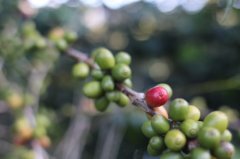
Coffee common sense how to judge whether raw coffee beans are fresh or not
From the fruit state of coffee beans when they are picked from the tree to the state of raw beans that can be baked, the moisture content of coffee beans will be controlled between 9% and 13%, and it is not easy to bake if the water content is too high or too low. Generally, we get newly collected raw beans with water washing treatment, the moisture content is usually about 11.5% to 12.5%, half-washed Mantenin may reach 13%, and half-washed Brazil is 11% ~ 12% per day.
2015-06-06 Coffee common sense how to judge raw beans whether fresh coffee beans trees pick
The origin and history of coffee
Raj, an Arab doctor in the tenth century, wrote the earliest written records about coffee, but the cultivation of coffee dates back to 575 AD. Arabica, the best variety of coffee, came from Ethiopia. In the fifteenth century, southern Arabs in Yemen began to plant saplings from Ethiopia.
2014-06-16 Coffee culture coffee history coffee origin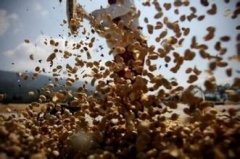
Coffee Bean Processing
The coffee tree has a pair of oval seeds in the center of the fruit. The seeds are covered by the outer skin, endocarp and pulp. Mature fruit will rot in a short time without treatment, so the purpose of refining is to make coffee beans long-term preservation, easy storage and circulation.
2014-07-10 Coffee knowledge Coffee bean processing Fine coffee beans
Costa Rican coffee, Costa Rican coffee processing method can be described as a master bold
Costa Rica's output is not large, with an annual output of about 110,000 tons, ranking seventh in Central and South America. Colombia is dominated by new coffee varieties, such as kadura, kaduai, new world, etc., ancient bourbon and tibeka are rare. There are also many varieties derived from the territory, the most famous is the Bourbon variety of birds Irasaki, belonging to the elegant flavor of the species, Brazil has also been introduced to plant, has won awards
2016-03-24 Costa Rica coffee presentation treatment way can be described tall bold
Introduction to the Lutesilo producing area of the western province of Rwanda, which is mostly grown by bourbon.
Rwanda has been growing coffee since colonial times. Although the crops are mainly coffee, the quality of coffee produced in Rwanda is not outstanding, and its status in the coffee world is low, and few people pay attention to it. Most of the coffee varieties grown in Rwanda are bourbon. Rwanda, known as the country of Thousand Hills, has a high-altitude mountain environment, fertile volcanic soil and abundant precipitation.
2016-07-01 Mostly bourbon planting Rwanda coffee introduction western province Texi production
Bolivian Coffee Manor introduces the Yongas area northeast of La Paz
Bolivia is 1/3 of the Andean mountains, rugged terrain, mainly road transport, accounting for more than 85% of transportation. The main railway and road networks are concentrated in the west, and remote areas rely on air communication. But road coverage is the lowest in South America. And there is also the Ronggas Highway, the world's first insurance road known as the road to death. There is no developed economy here. It is the poorest in South America.
2016-06-18 Bolivia Coffee Manor producing area introduction La Paz Northeast Garth Poli
Costa Rican Coffee Manor introduction to Fire Phoenix Manor Costa Rican Coffee Manor
Because of the coffee industry, Costa Rica is a more advanced profession. Coffee farmers have a high status in Costa Rica. In 1897, citizens of the capital witnessed the completion of the National Theater donated by coffee tycoons. Coffee wealth brings stability to Costa Rica's politics, economy and democracy, which is rare in Central American countries. In addition, Colombia has laws that only allow the planting of Arabica and Drogba
2016-07-21 Costa Rica coffee producing area manor introduction fire Phoenix as a result planting
How coffee beans grow-an introduction to the history of coffee basics
Coffee is grown in 60 or 70 countries in the world, mainly in Asia, Africa and Central and South America. Sweet Home's main product is sweet and warm my heart coffee beans come from these high-quality producing areas. Famous coffee growers such as Brazil, Colombia, Indonesia and so on. Brazil is the world's largest coffee producer, accounting for 1/3 of the world's total output.
2016-10-17 Coffee beans how to grow up coffee basics history introduction the world
How can coffee technology judge whether raw coffee beans are fresh or not?
Fresh coffee, raw beans, full of vitality. Semi-fresh raw beans, with a little bit of stability in the vitality. Eight months later, the raw beans lost their vitality. Raw beans for more than a year are old and boring. From the fruit state of coffee beans picked from the tree to the state of raw beans that can be roasted, the moisture content will be controlled between 9% and 13%, and it is not easy to bake if the water content is too high or too low.
2014-10-18 Coffee knowledge coffee technology coffee raw beans coffee freshness
Introduction to the characteristics of Coffee Coffee
Ren Mo (Jember, or S795), which is a relative Typica variety brought to Indonesia via India. Jember originated in Ethiopia. It may have been developed before leaving for India and finally Indonesia in Yemen. The so-called variety is commonly referred to by Indonesian farmers as Jember, because this is their distribution of Jember coffee in Indonesia's second largest city, located in Surabaya, East Java, a member of the research center.
2016-05-26 Boutique coffee classification characteristics introduction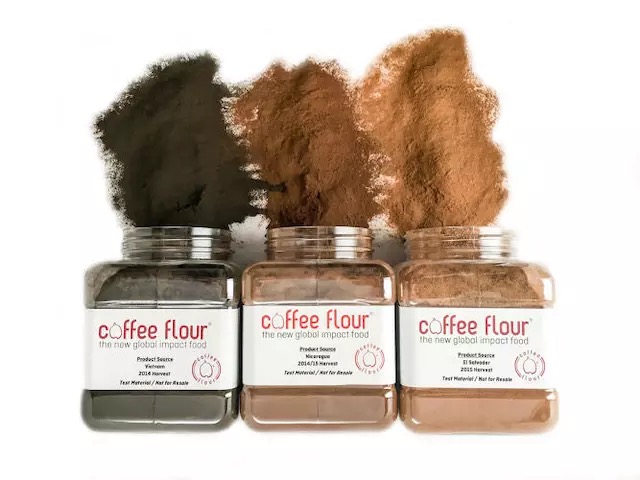
He started a business with coffee pulp that no one asked for.
If you are familiar with coffee, you will probably know that coffee trees produce fruit. After the peel and fruit are removed by washing and sunlight, the remaining seeds, that is, coffee beans, are really used to make coffee. As a result, there are mountains of fruit and peels left in the process of obtaining coffee beans, a small number of which are used as fertilizer by coffee farmers, which are more common.
2016-08-09 No one wants coffee pulp he takes it to do business if you are right.
Introduction of Bolivian Coffee Grinding Variety characteristics and Taste Manor with charming aroma
Bolivian coffee is of low quality and the market is very poor. Usually the picked coffee fruit is bumped all the way to the processing plant after a simple peeling treatment. Due to the imperfect infrastructure, the traffic is underdeveloped. Coffee farmers have to overcome the rugged mountain road and transport the beans to the higher altitude area of La Paz for washing. If the coffee fruit can not be delivered to the processing plant in time,
2016-10-09 Aroma Human Bolivia Coffee Grinding Variety characteristics Taste Manor introduction