“Malaba” search results (292)

An introduction to the aroma, acidity and mellowness of coffee from Lutesilo in the western province of Rwanda
The sink technician in the process will clean the coffee immediately because the delay will ferment the sugary outer layer of the coffee beans, ruining the taste of the coffee. The coffee beans are first thrown into a deep trough, and the best quality coffee fruit goes into the bottom and passes through a machine that peels off its skin. The mechanic takes out the floating coffee fruit, processes it in the same way and allows the cooperative to compare it in the domestic market.
2016-07-02 Aroma acidity mellow Rwanda Western Province Texi producing area Coffee introduction Canada
Rwanda Coffee Manor Coffee Flavor characteristics of Coffee Taste production area
The first problem for Malaba coffee farmers is to set up a cleaning station. The coffee fruit must be transported to the cleaning station to wash the sugar under the skin of the coffee bean within 12 hours after picking, otherwise the flavor of the coffee will be greatly damaged. In July 2001, with UNR, the Ministry of Culture and Industry of Rwanda (Office des Cultures Industrielles du Rwanda,OCIR-Caf), ACD
2016-07-18 Rwanda Coffee Manor Mayer Flavor characteristics Taste producing area introduction Mara
Rwanda Coffee Flavor treatment method
Rwandans have been growing coffee since colonial times, but until 1999, its products were still classified as below Class C and were not popular in the global market. The reason for the poor quality is that farmers do not have a fixed procedure for washing coffee beans and do not process coffee fruits according to specifications in time. Buyers buy coffee beans at $0.33 per kilogram, and farmers keep warm by the meagre profits earned at low prices.
2016-05-27 Rwanda Coffee Flavor treatment method way Renzi colonization time
The cradle of coffee-- Asian region
Under the influence of Chinese culture, Asian tea culture is booming, while coffee appears to be on its own by comparison.
2014-08-29 Breed coffee
Rwanda Coffee Flavor
Rwandans have been growing coffee since colonial times, but until 1999, its products were still classified as below Class C and were not popular in the global market. The reason for the poor quality is that farmers do not have a fixed procedure for washing coffee beans and do not process coffee fruits according to specifications in time. Buyers buy coffee beans at $0.33 per kilogram, and farmers keep warm by the meagre profits earned at low prices.
2016-08-30 Rwanda coffee flavor characteristics people since colonization times from open
The Historical Origin of Rwandan Coffee
Historical editors originate that Rwandans have been growing coffee since colonial times, but until 1999, its products were still classified as below Class C and were not popular in the global market. The reason for the poor quality is that farmers do not have a fixed procedure for washing coffee beans and do not process coffee fruits according to specifications in time. Buyers buy coffee beans at $0.33 per kilogram, which farmers earn at low prices.
2016-06-01 Rwanda Coffee History Origin Editor Human self colonization
For Rwandan coffee beans, it is better to buy raw beans or roasted beans.
Rwandans have been growing coffee since colonial times, but until 1999, its products were still classified as below Class C and were not popular in the global market. The reason for the poor quality is that farmers do not have a fixed procedure for washing coffee beans and do not process coffee fruits according to specifications in time. Buyers buy coffee beans at $0.33 per kilogram, and farmers keep warm by the meagre profits earned at low prices.
2016-05-23 Rwanda coffee beans flavor household use buy raw beans or already baked
Introduction of washed Rwanda coffee beans classification of fine coffee
Rwandans have been growing coffee since colonial times, but until 1999, its products were still classified as below Class C and were not popular in the global market. The reason for the poor quality is that farmers do not have a fixed procedure for washing coffee beans and do not process coffee fruits according to specifications in time. Buyers buy coffee beans at $0.33 per kilogram, and farmers keep warm by the meagre profits earned at low prices.
2016-06-28 Washing Rwanda coffee beans introduction boutique coffee classification people from
Introduction to the characteristics of fine coffee beans in Rwanda coffee flavor and taste manor area
Rwanda has many mountains and is known as the country of a thousand hills. The whole country is at a high altitude: the lowest point, the Luzizi River, is also 950 meters above sea level. The Midwest is dominated by mountains, which are part of the Aberdeen Rift Valley, which is part of the East African Rift Valley, extending from north to south along the western border of Rwanda. The highest mountain in the country is located in the northwest of Wei.
2016-08-16 Rwanda coffee flavor taste manor producing area characteristics boutique coffee beans medium
The origin of coffee beans in Rwanda Coffee bean powder is too weak.
The Rwandans of origin have been growing coffee since colonial times, but until 1999, its products were still classified as below Class C and were not popular in the global market. The reason for the poor quality is that farmers do not have a fixed procedure for washing coffee beans and do not process coffee fruits according to specifications in time. Buyers buy coffee beans at $0.33 per kilogram, and farmers rely on the meagre profits earned at low prices.
2016-06-13 Rwanda coffee beans origin coffee bean powder brewing too light
An introduction to the characteristics of the manor producing area with a rich taste of Rwanda boutique coffee
Rwandans have been growing coffee since colonial times, but until 1999, its products were still classified as below Class C and were not popular in the global market. The reason for the poor quality is that farmers do not have a fixed procedure for washing coffee beans and do not process coffee fruits according to specifications in time. Buyers buy coffee beans at $0.33 per kilogram, and farmers keep warm by the meagre profits earned at low prices.
2016-09-07 Taste embellishment rich Rwanda boutique coffee flavor taste manor producing area
Coffee growing area
Influenced by Chinese culture, Asian tea culture flourished, while coffee was weak in comparison. However, near the equator, because of the tropical climate suitable, but also produces a lot of world-renowned top coffee.
2014-07-11 Coffee knowledge coffee producing area coffee encyclopedia
The Origin of Rwandan Coffee Flavor Flavor Manor introduction to the Chilmel Manor in the Lute Xilo region of the Western Province
Rwandans have been growing coffee since colonial times, but until 1999, its products were still classified as below Class C and were not popular in the global market. The reason for the poor quality is that farmers do not have a fixed procedure for washing coffee beans and do not process coffee fruits according to specifications in time. Buyers buy coffee beans at $0.33 per kilogram, and farmers keep warm by the meagre profits earned at low prices.
2016-06-24 Rwanda Coffee Origin Flavor producing area Manor introduction Western Province Texi Mai
Introduction to the flavor and taste of Rwandan coffee beans the characteristics of Rwandan coffee beans in Chilmel Manor
Rwanda coffee is absolutely high quality in the form of washed Arabica beans. As far as Africa is concerned, its coffee industry is remarkable because the country thrives mainly by producing the best possible coffee beans. Coffee from Rwanda is becoming more and more popular in the international market. The mission of the Rwandan Coffee Association is to manage and supervise the coffee industry in Rwanda from production to sales.
2016-07-26 Rwanda coffee beans flavor taste introduction Mayer manor characteristics
What is monsoon coffee?
Monsoon coffee (rainy season Malaba) is a unique coffee from southern India using a typical air-drying process, specially stored in an open warehouse and exposed to the monsoon to increase viscosity and reduce acidity.
2014-06-14 Coffee knowledge monsoon coffee coffee encyclopedia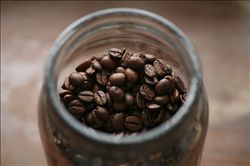
Coffee what enters Asia Coffee what enters Europe
Coffee into Asia the Arabs failed to spread coffee in Asia, but the Dutch did! In the process of colonization, they grew coffee in Malaba, India, and brought it to Batavia in what is now Java, Indonesia, in 1699. The Dutch colonies once became the main supplier of coffee in Europe. At present, Indonesia is the fourth largest coffee export in the world.
2016-05-26 Coffee what into Asia Europe
Introduction to the flavor and taste characteristics of Rwanda coffee manor with excellent evenness
In 2000, the Mayor of Malaba requested development assistance from the National University of Rwanda (UNR), which is located near the city of Butare, and the following year, the National University of Rwanda assisted in the establishment of the Joint strengthening Rwanda Agricultural Partnership (PEARL). PEARL is also supported by several organizations: the United States Agency for International Development (USAID), Michigan State University, Texas A & M University, and
2016-09-08 Uniform excellent Rwanda coffee manor producing area flavor taste characteristics boutique
Boutique coffee learn what is monsoon coffee
Monsoon coffee (rainy season Malaba) is a unique coffee from southern India using a typical air-drying process, specially stored in an open warehouse and exposed to the monsoon to increase viscosity and reduce acidity. Monsoon coffee is stored in a special warehouse until the monsoon arrives, and the ventilation structure is designed to allow the moist monsoon to circulate between the coffee beans.
2014-10-15 Coffee knowledge boutique coffee monsoon coffee
Indonesian Coffee beans Java Coffee introduction Java boutique coffee beans
Java: coffee bean species Robusta Sumatra (Sumatra): the history of coffee bean species Arabica Java coffee (java Java coffee) the Dutch first introduced coffee to Central and South America in the 1820s. Coffee spread from the Dutch colonies to French Guiana and Brazil. During the Dutch colonization, they were in Malaba, India.
2016-07-20 Indonesia coffee beans Java coffee introduction boutique
History of coffee in Rwanda
The Rwandans of origin have been growing coffee since colonial times, but until 1999, its products were still classified as below Class C and were not popular in the global market. The reason for the poor quality is that farmers do not have a fixed procedure for washing coffee beans and do not process coffee fruits according to specifications in time. Buyers buy coffee beans at $0.33 per kilogram, and farmers rely on the meagre profits earned at low prices.
2016-05-31 Rwanda Coffee History Origin Human colonization Times from Open