“Libya” search results (53)
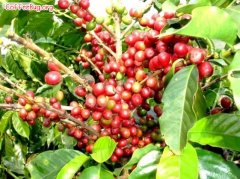
The basic knowledge of coffee beans The three original species of coffee
Coffee belongs to the evergreen shrubs of the genus Coffee of Rubiaceae, centered in tropical regions, with about 500 genera and 6000 species of Rubiaceae plants distributed here. Coffee has long been thought to have certain medicinal effects, such as invigorating stomach, refreshing mind, stopping bleeding, dissipating heat, strengthening body, etc. More famous Rubiaceae plants and gardenia, its fruit has long been dried as medicine
2015-11-06 coffee beans basics coffee three big native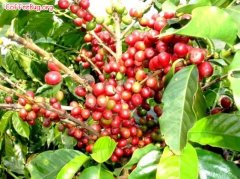
The basics of coffee beans the three native species of coffee
Coffee belongs to the evergreen shrub of the genus Rubiaceae, which is centered in the tropics. There are about 6000 species of Rubiaceae belonging to 500 genera. Coffee has always been thought to have certain effects, such as strengthening the stomach, waking up the brain, stopping bleeding, dissipating heat, strengthening the body, and so on. The more famous Rubiaceae plant is Gardenia jasminoides, whose fruit was dried and used as medicinal material a long time ago. The three native species of coffee
2015-01-26 Coffee beans basic knowledge coffee three native belong to grass family evergreen
The basic knowledge of Coffee beans Coffee beans are the three native species of coffee
Coffee belongs to the evergreen shrub of the genus Rubiaceae, which is centered in the tropics. There are about 6000 species of Rubiaceae belonging to 500 genera. Coffee has always been thought to have certain effects, such as strengthening the stomach, waking up the brain, stopping bleeding, dissipating heat, strengthening the body, and so on. The more famous Rubiaceae plant is Gardenia jasminoides, whose fruit was dried and used as medicinal material a long time ago. The three native species of coffee
2015-04-13 Coffee beans basic knowledge coffee three native belong to grass family evergreen
How many coffee producing countries are there in the world?
1. Arabica species (scientific name Coffea arabica) Arabica species is native to Ethiopia's Abyssinian plateau (now Ethiopia plateau), early mainly as a medicinal food (Islamic lovers used as a healing medicine or to wake up), 13th century developed the habit of baking and drinking, 16th century introduced to Europe via Arabia
2016-06-06 coffee cultivation condition world on how much country of production rabbi kasu scientific name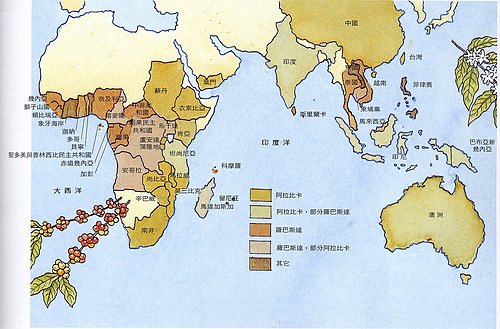
The basic knowledge of Coffee beans the three native species of coffee Robsta species Arabica species Libby
Basic knowledge of coffee beans (1) Coffee belongs to the evergreen shrub of the genus Rubiaceae, which is centered in the tropics. There are about 6000 species of Rubiaceae belonging to 500 genera. Coffee has always been thought to have certain effects, such as strengthening the stomach, waking up the brain, stopping bleeding, dissipating heat, strengthening the body, and so on. The more famous Rubiaceae plant is Gardenia jasminoides, whose fruit was dried and used as medicine a long time ago.
2016-03-17 Coffee beans Basics Coffee Native Robes Booth Rabbi Card seed Libby
The pedigree and variety of selected coffee
Since human beings planted coffee, many varieties of coffee have been discovered and developed.
2014-06-17 Coffee knowledge coffee varieties coffee encyclopedia
Introduction to the varieties of boutique coffee
Since human beings planted coffee, many varieties of coffee have been discovered and developed.
2014-09-02 Coffee knowledge boutique coffee coffee varieties
Arabica coffee
Coffee belongs to the evergreen shrub of the genus Coffea of Rubiaceae. There are about forty kinds of plants under the branch of Coffea, among which only three kinds of coffee with commercial value--Coffea arabica, Coffea robusta and Coffea Liberica, which are called "three original species of coffee". Arabica species account for world production
2014-08-13 Coffee knowledge Arabica coffee Coffee encyclopedia
Coffee Bean Variety Daquan | how important Arabica Coffee beans are
It has always been a complicated matter to classify coffee genetically. As far as the coffee varieties on the market are concerned, the most superficial classification is of course divided into Arabica and Robusta (hereinafter referred to as radish beans). About the difference between Arabica and turnip beans, follow Wechat cafeliving reply
2021-10-13 Rabbi
Coffee planting and processing
The word coffee comes from the Greek word Kaweh, meaning strength and enthusiasm. At present, the most important coffee beans in the world mainly come from Arabica, Robasta and Libya, the three original species of these three coffee trees, and the quality of the coffee beans produced by these three varieties is also higher than that produced by other coffee trees. 1. The origin of coffee the coffee tree is an evergreen shrub of the family Capsicaceae.
2014-06-10 Coffee beans growing processing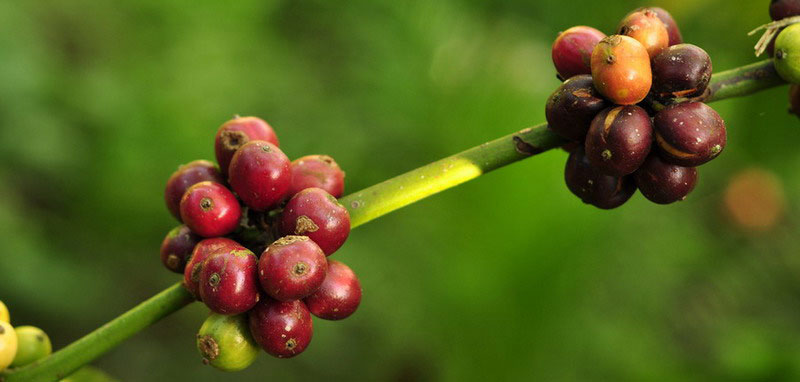
Introduction to Coffee-exploring the color and aroma of coffee beans from the root
[cultivation of coffee trees] Coffee trees are evergreen shrubs of the Akanaceae family and belong to the Rubiaceae family in plant taxonomy. Since ancient times, most of the plants of the family Rubiaceae have special effects, such as quinine, which is regarded as a specific drug for malaria. and Dugan for the treatment of amoeba dysentery. Native to Abyssinia in East Africa, it is now mainly concentrated in the tropical zone or subtropics of America, Africa, and Asia.
2015-12-01 Coffee entry root exploration coffee beans color flavor coffee cultivation belong to ah
The basics of coffee beans
Coffee belongs to the evergreen shrub of the genus Rubiaceae, which is centered in the tropics. There are about 6000 species of Rubiaceae belonging to 500 genera. Coffee has always been thought to have certain effects, such as strengthening the stomach, waking up the brain, stopping bleeding, dissipating heat, strengthening the body, and so on. The more famous Rubiaceae plant is Gardenia jasminoides, whose fruit was dried and used as medicinal material a long time ago.
2014-08-18 Coffee knowledge coffee bean knowledge coffee encyclopedia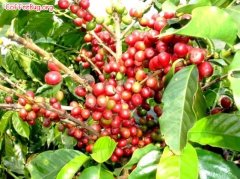
The basic knowledge of coffee beans coffee three original species introduction
Coffee belongs to the evergreen shrubs of the genus Coffee of Rubiaceae, centered in tropical regions, with about 500 genera and 6000 species of Rubiaceae plants distributed here. Coffee has long been thought to have certain medicinal effects, such as invigorating stomach, refreshing mind, stopping bleeding, dissipating heat, strengthening body, etc. More famous Rubiaceae plants and gardenia, its fruit has long been dried as medicine
2015-10-26 coffee beans basics coffee three native introduction