“Leaf Resistance” search results (300)

The relationship between Kenyan coffee and Arabica coffee beans
Arabica coffee accounts for about 65% and 80% of the world's coffee beans, and its excellent flavor and aroma make it the only coffee among these native species that can be drunk directly and alone. However, its resistance to drying, frost, diseases and insect pests is low, especially to the biggest natural enemy of coffee, leaf rust, so all producing countries are committed to improving varieties. For example, the well-known Sri
2016-06-05 Kenya coffee rabbi coffee beans relationships the world grow
Varieties of coffee trees
1.5 Arabica coffee varieties improved Arabica coffee beans include traditional varieties that are very close to the original, as well as mutants or hybrids mated with Robusta. Coffee variety improvement is not only limited to the fight against diseases and insect pests, but also the pursuit of a steady stream of harvests. 1. The variety of Arabica coffee belongs to the evergreen shrub Ara of the genus Rubiaceae.
2014-07-04 Coffee knowledge coffee trees varieties coffee encyclopedia
Varieties of coffee beans
Several main coffee varieties and their characteristics are introduced here. Typica, also known as Tiberka Tibika, is the closest to the native species of Arabica, where almost all Arabica varieties originate. Widely cultivated in Central and South America in the past, the bean is long in shape and has excellent aroma and sour taste, but it is not resistant to leaf rust and requires quite a lot of shading trees to lead to production.
2014-06-30 Coffee bean varieties coffee bean characteristics boutique coffee beans
Arabica coffee
Coffee belongs to the evergreen shrub of the genus Coffea of Rubiaceae. There are about forty kinds of plants under the branch of Coffea, among which only three kinds of coffee with commercial value--Coffea arabica, Coffea robusta and Coffea Liberica, which are called "three original species of coffee". Arabica species account for world production
2014-08-13 Coffee knowledge Arabica coffee Coffee encyclopedia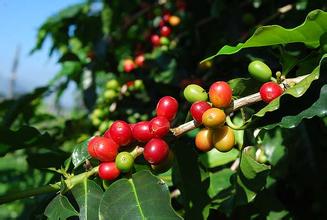
The difference between the three native species of coffee and the introduction of Arabica and Robusta
Coffee belongs to the evergreen shrub of the genus Rubiaceae, which is centered in the tropics. There are about 6000 species of Rubiaceae belonging to 500 genera. Coffee has always been considered to have certain effects, such as invigorating the stomach, waking up the brain, stopping bleeding, dissipating heat, strengthening the body and so on. There are about 40 species of coffee plants, but the only ones that can produce coffee beans of commercial value are Arabica, Robusta and Libby.
2016-01-04 Coffee three native species difference rabbi Robbins Booth introduction
The three primary species of Ethiopian coffee
About 65% of coffee circulating in the world market is Arabica: according to ICO (International Coffee Organization) statistics, excluding the domestic transactions of coffee producing countries, about 65% of coffee circulating in the world market is Arabica and 35% is Robusta. Arabica is characterized by elongated and flattened particles, and Robusta coffee beans are rounded. But if you add a
2016-09-20 Ethiopia Coffee Big Three Origin Region Flavor Taste Introduction
Icatu
Icatu: Masterpiece of Brazilian multi-generation hybrid improved varieties. Arabusta, a hybrid Arabica and robusta, has improved yields and resistance to leaf rust in the past, but coffee flavor has been poor. Scientists then used Arabica varieties such as Arabica and Kadura, New World and Bourbon for multiple generations to reduce the bad taste of Robusta year by year and improve
2014-06-28 Icato coffee bean varieties coffee bean cultivation
Classification of coffee according to Chinese national standards
According to our national standards, the classification of coffee is mainly divided into the following five varieties.
2014-07-24 Coffee knowledge coffee classification Chinese classification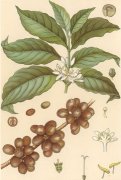
Boutique Coffee Wave: coffee lovers must master the common sense of coffee
Love coffee, let's get together. In plant taxonomy, coffee belongs to the Genus Coffea family of Rubiaceae, and there are at least a hundred varieties of coffee under it. The more common coffee is Arabica (Arabica, elegant flavor, is the main boutique coffee) and Robusta (or thick beans, rough flavor, high caffeine content, not boutique coffee)
2015-09-09 Boutique coffee tide enthusiast must master common sense
Coffee botany knowledge
The botanical description of coffee is: "Coffee is Rubiaceae, coffee, evergreen shrubs or small trees."
2014-06-12 Coffee knowledge Coffee botany Coffee encyclopedia
Learn about the three native species of coffee
Coffee belongs to the evergreen shrub of the genus Coffea of Rubiaceae, which is centered in the tropics. There are about 6000 species of Rubiaceae plants in this area. Coffee has always been considered to have certain effects, such as invigorating the stomach, waking up the brain, stopping bleeding, dissipating heat, strengthening the body and so on. The more famous Rubiaceae plant is Gardenia jasminoides, whose fruit was dried and used as medicinal material a long time ago.
2014-08-25 Coffee knowledge coffee bean varieties three major coffee varieties Arabica species Robusta species
Cultivation conditions of three native species of coffee beans
Coffee is mainly divided into three categories: Arabica (Arabica), Robusta (Robusta) and Liberia (Liberica), but Arabica and Robsta are mostly in circulation in the market. No matter what it is, it has its advantages and disadvantages, and its purpose and use are not the same. There are about 40 species of coffee plants, but only coffee beans with commercial value can be produced.
2016-05-25 Coffee beans three native coffee cultivation conditions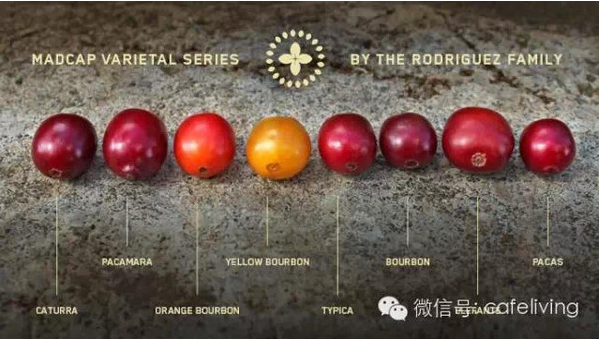
Arrangement of hematemesis among members of Arabica coffee bean family
It has always been a complicated matter to classify coffee genetically. As far as the coffee varieties on the market are concerned, the most superficial classification is of course divided into Arabica and Robusta (hereinafter referred to as radish beans). The difference between Arabica and radish beans can be understood by following Wechat cafeliving's reply to fish balls, and the editor will not repeat them here. Today, let's mainly talk about
2015-05-22 Rabbi coffee beans family members relationships hematemesis sorting
Iron pickup or bourbon in Tarazhu, Costa Rica? Iron pickup coffee beans
Iron pickup "Typica" iron pickup, the name sounds majestic and powerful, but in fact it is not so strong. It has a weak physique, poor disease resistance, easy to catch rust leaf disease, and produces less fruit. It is one of the oldest native varieties in Ethiopia, and many Arabica are derived from iron pickups! The parietal leaf of the iron pickup is bronzed, and the bean grain is large, pointed, oval or thin.
2016-04-22 Costa Rica Tara producing area pickup or bourbon coffee beans Ty
Introduction of Manning Arabica Coffee Manor with characteristics and Flavor description
Although coffee shops are now full of variety, in the final analysis, there are only two kinds of artificial coffee, one is Arabica, the other is Coffea robusta (canephora), both of which are introduced from wild species. However, it has low resistance to dryness, frost, diseases and insect pests, especially to the biggest natural enemy of coffee, leaf rust, so all producing countries are committed to improvement.
2016-10-11 Manor rabbi card seed coffee manor producing area characteristics flavor description variety
Tree species of coffee
The coffee beans we usually see are red fruits on trees, seeds without peel and pulp. It is a kind of plant, so there will naturally be different tree species, just as there are many kinds of apples.
2014-08-18 Coffee knowledge coffee tree species coffee encyclopedia
Varieties and characteristics of Arabica Coffee
Arabica Coffee varieties and their characteristics Typica this is the closest Arabica species to the native species, almost all Arabica coffee varieties are derived from this. Used to be widely cultivated in Central and South America, the bean shape is long and has excellent sour taste and aroma, but it is not resistant to leaf rust and requires quite a lot of shading trees, resulting in low yield (sweet with bourbon every two years).
2014-09-12 Arabica Coffee varieties Coffee Encyclopedia Coffee knowledge
Knowledge of coffee botany
There are more than 60 kinds of coffee, but there are roughly two varieties of coffee grown commercially on a large scale, one is Arabica, accounting for about 70 percent of the world's coffee planting area, and the other is Robasta, accounting for about 30 percent of the world's coffee planting area.
2014-07-04 Knowledge of coffee encyclopedia of coffee botany
Catimor Katim (Katim)
Catimor: an important variety of commercial beans at present. East Timor was colonized by Portugal for 400 years, and the Portuguese had long been in contact with East Timorese coffee trees. In 1959, the Portuguese moved the Brazilian bourbon mutant Kadura to East Timor and interbred with Tim, who was of Robusta origin, and succeeded in breeding Kadim with strong disease resistance and super production capacity. Nineteen seven ○ to nineteen
2014-06-30 Katim coffee beans boutique coffee beans individual coffee
Coffee three native species Arabica species: Ethiopia 90+levelup Flower language Sunlight Sidama
Coffee belongs to Rubiaceae coffee evergreen shrubs, tropical regions as the center, about 500 genera 6000 species of Rubiaceae plants distributed in this. Coffee has long been considered to have certain medicinal effects, such as stomach, mind, hemostasis, heat dissipation, physical strength and so on. There are about 40 species of plants in the genus Coffea, but only Arabica, Robusta and Libby can produce coffee beans with commercial value.
2016-04-05 coffee three major native species a rabbi kaspecies ethiopia 90 +lev