“Lanka” search results (675)
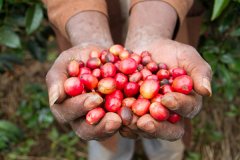
Three native species of coffee: Arabica, Robusta and Liberia
Coffee belongs to the evergreen shrub of the genus Rubiaceae, which is centered in the tropics. There are about 6000 species of Rubiaceae belonging to 500 genera. Coffee has always been considered to have certain effects, such as invigorating the stomach, waking up the brain, stopping bleeding, dissipating heat, strengthening the body and so on. There are about 40 species of coffee plants, but the only ones that can produce coffee beans of commercial value are Arabica, Robusta and Libby.
2015-11-02 Coffee three native rabbi card species Robbs booth Libby subspecies
An introduction to the flavor of Indonesia Manning boutique coffee bean manor with rich aroma and rich taste.
When it comes to the lively factor in the mild fragrance, its outstanding taste captivates many suitors. In the 17th century, the Dutch introduced Arabica seedlings to Ceylon (present-day Sri Lanka) and Indonesia. In 1877, a large-scale disaster hit the Indonesian islands. Coffee rust destroyed almost all the coffee trees, and people had to give up the coffee trees that had been in operation for many years.
2016-09-19 Aroma full-bodied taste thick Nieman Tenin boutique coffee beans manor flavor
Is Java coffee better fresh or old? old Java coffee tastes better.
Among the Asian coffee-producing countries, Indonesia is a very noteworthy one. Indonesia is an island country in the Indian Ocean, the islands are distributed on both sides of the equatorial line, of which three islands: Java, Sumatra and Sulawesi produce the most important coffee in the world. In the mid-17th century, the Dutch brought coffee trees to Ceylon (now known as Sri Lanka) and Java in Indonesia. The 18th century
2015-03-13 Java coffee fresh or old mellow
Panama Estate Coffee Beans
Arabica species originated in Ethiopia's Abyssinia Plateau (now Ethiopia Plateau). It was mainly eaten as medicine in the early stage (Islamic couples used it as a secret medicine for physical and mental treatment or to wake up). In the 13th century, it cultivated the habit of baking and drinking. In the 16th century, it was introduced into Europe via Arabia, and then became a favorite drink of people all over the world.
2016-06-07 coffee beans basics introduction panama estate rabbi species origin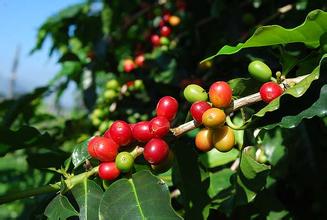
The difference between the three native species of coffee and the introduction of Arabica and Robusta
Coffee belongs to the evergreen shrub of the genus Rubiaceae, which is centered in the tropics. There are about 6000 species of Rubiaceae belonging to 500 genera. Coffee has always been considered to have certain effects, such as invigorating the stomach, waking up the brain, stopping bleeding, dissipating heat, strengthening the body and so on. There are about 40 species of coffee plants, but the only ones that can produce coffee beans of commercial value are Arabica, Robusta and Libby.
2016-01-04 Coffee three native species difference rabbi Robbins Booth introduction
Basic knowledge of Coffee beans (1)
Coffee belongs to the evergreen shrub of the genus Rubiaceae, which is centered in the tropics. There are about 6000 species of Rubiaceae belonging to 500 genera.
2014-07-15 Coffee knowledge coffee basics coffee encyclopedia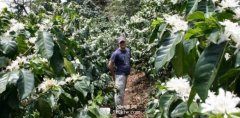
Understanding coffee leaf rust
The most destructive disease of coffee trees is Hemileia vastatrix. The disease has long occurred in coffee-producing regions such as Africa, the Near East and India, Asia and Australasia, and first appeared in the Western Hemisphere in 1970. The once-thriving coffee plantations of Sri Lanka and Java were destroyed there
2014-08-21 understand coffee leaf rust rust destructive large disease camel spore
Coffee tree disease coffee leaf rust
Coffee leaf rust (coffee rust) is the most destructive disease of coffee trees, which is caused by coffee camel rust (Hemileia vastatrix). The disease has long occurred in coffee-producing areas such as Africa, the near East and India, Asia and Australasia. It first appeared in the Western Hemisphere in 1970 and was found in Brazil. Once-thriving coffee plantations in Sri Lanka and Java
2014-09-27 Coffee knowledge coffee tree disease coffee leaf rust
Fine Coffee Science explains Coffee Leaf Rust in detail
Coffee leaf rust (coffee rust) is the most destructive disease of coffee trees, which is caused by coffee camel rust (Hemileia vastatrix). The disease has long occurred in coffee-producing areas such as Africa, the near East and India, Asia and Australasia. It first appeared in the Western Hemisphere in 1970 and was found in Brazil. Once-thriving coffee plantations in Sri Lanka and Java
2014-11-18 Coffee knowledge boutique caffeine coffee leaf rust
Basic knowledge of fine coffee Coffee Leaf Rust
Coffee leaf rust (coffee rust) is the most destructive disease of coffee trees, which is caused by coffee camel rust (Hemileia vastatrix). The disease has long occurred in coffee-producing areas such as Africa, the near East and India, Asia and Australasia. It first appeared in the Western Hemisphere in 1970 and was found in Brazil. Once-thriving coffee plantations in Sri Lanka and Java
2014-12-24 Boutique coffee basics common sense leaf rust rust c
Coffee leaf rust is the most destructive disease of coffee trees.
Coffee rust The most destructive disease of coffee trees, caused by Hemileia vastatrix. The disease has long occurred in coffee-producing regions such as Africa, the Near East and India, Asia and Australasia. It first appeared in the Western Hemisphere in 1970 and was discovered in Brazil. Coffee plantations once thriving in Sri Lanka and Java
2015-10-12 coffee leaf rust rust destructive large disease
Full bodied and aromatic, mantining Sumatra coffee with a hint of chocolate.
Taste to mild fragrance in the lively factor, it's outstanding and extraordinary taste charmed many suitors. In the 17th century, the Dutch introduced Arabica saplings to Ceylon (present-day Sri Lanka) and Indonesia. In 1877, a massive disaster struck the Indonesian islands, and coffee rust destroyed almost all the coffee trees, forcing people to abandon the coffee trees that had been in business for many years.
2016-07-09 rich mellow aromas flavors mante sumatra coffee taste with dexterity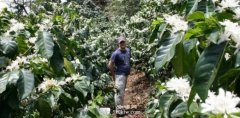
Knowledge of fine coffee to understand coffee leaf rust
The most destructive coffee tree disease is caused by coffee camel rust (Hemileia vastatrix). The disease has long occurred in coffee-producing areas such as Africa, the near East and India, Asia and Australasia. It first appeared in the Western Hemisphere in 1970 and was found in Brazil. The once thriving coffee plantations in Sri Lanka and Java were destroyed by the
2014-09-15 Coffee knowledge boutique coffee coffee tree etiology leaf rust
Java coffee flavor Java coffee characteristics
Among the Asian coffee-producing countries, Indonesia is a very noteworthy one. Indonesia is an island country in the Indian Ocean, the islands are distributed on both sides of the equatorial line, of which three islands: Java, Sumatra and Sulawesi produce the world's important coffee. In the mid-17th century, the Dutch brought coffee trees to Ceylon (Sri Lanka) and Java, Indonesia. India in the 18th century
2016-09-01 Java coffee flavor specialty Asia home Indonesia very worth it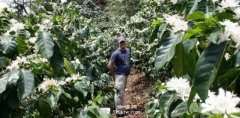
The most destructive disease of coffee trees, leaf rust.
The most destructive coffee tree disease is caused by coffee camel rust (Hemileia vastatrix). The disease has long occurred in coffee-producing areas such as Africa, the near East and India, Asia and Australasia. It first appeared in the Western Hemisphere in 1970 and was found in Brazil. The once thriving coffee plantations in Sri Lanka and Java were destroyed by the
2015-01-08 Destructive big coffee disease leaf rust rust destructive
Indonesian coffee, Java, rich coffee.
Among the Asian coffee-producing countries, Indonesia is a very noteworthy one. Indonesia is an island country in the Indian Ocean, the islands are distributed on both sides of the equatorial line, of which three islands: Java, Sumatra and Sulawesi produce the world's important coffee. In the mid-17th century, the Dutch brought coffee trees to Ceylon (Sri Lanka) and Java, Indonesia. India in the 18th century
2016-04-28 Indonesia producing area coffee Java rich Asia home very
Three original species and basic knowledge of Coffee
There are about 40 species of coffee plants in the three native species of coffee, but the only ones that can produce coffee beans of commercial value are Arabica, Robusta and Liberian. these three species are called the three original species of coffee. 1. The origin of the Arabica species (scientific name Coffea arabica) is the Abyssinia Plateau of Ethiopia (present-day Ethiopia).
2016-06-01 Coffee three original basic knowledge coffee native plant about 4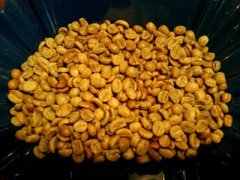
Java coffee beans Arabica coffee
Among the coffee-producing Asian countries, Indonesia is one of the most noteworthy. Indonesia is an island country in the Indian Ocean, with islands on both sides of the equator, three of which: Java, Sumatra and Sulawesi produce the world's most important coffee. In the mid-17th century, the Dutch brought coffee trees to Ceylon (now known as Sri Lanka) and Java in Indonesia. 18th century
2016-03-25 java boutique coffee beans presentation rabbi coffee characteristics asian home
Java coffee flavor Java coffee characteristics
Among the Asian coffee-producing countries, Indonesia is a very noteworthy one. Indonesia is an island country in the Indian Ocean, the islands are distributed on both sides of the equatorial line, of which three islands: Java, Sumatra and Sulawesi produce the world's important coffee. In the mid-17th century, the Dutch brought coffee trees to Ceylon (Sri Lanka) and Java, Indonesia. India in the 18th century
2016-08-31 Java coffee flavor specialty Asia home Indonesia very worth it
The basic knowledge of coffee beans the origin of the species of coffee beans
West Africa, the origin of coffee grown in Liberia, has a strong adaptability to all kinds of environments, such as high or low temperature, humidity or dryness, except that it is not resistant to leaf rust and its flavor is worse than that of Arabica, so it is only traded or planted in some West African countries (Libya, C ô te d'Ivoire, etc.). Among the coffee in circulation in the world market, about
2016-06-30 Coffee beans basics species origin west Africa Libby subspecies coffee