“Jinbi” search results (96)

Ghimbi West Ethiopian Coffee grows Commercial Coffee beans and Comprehensive mixed Coffee beans
Boutique coffee (specialty coffee) is also called specialty coffee selection coffee. It refers to coffee made from a small number of raw beans with excellent taste grown in an ideal geographical environment. Depending on the special soil and climatic conditions in which they grow, they have outstanding flavor. After strict selection and classification, this kind of coffee is hard in texture, rich in taste and stylish.
2016-06-19 Kinby Ghimbi Ethiopia coffee cultivation commercial coffee beans ensemble
Where is the best coffee in the world?
Fine coffee beans are refined by water treatment. Washing refining method can get coffee beans with less impurities, but if the water quality and time of washing beans are not properly controlled during fermentation, it will easily cause coffee beans to be infected with excessive fermentation sour, and dry processing beans also need to pay attention to timely inspection and prevent coffee beans from being contaminated by wet ground and impurities. the processed
2016-05-26 Kimby Coffee Manor Fine Delicious Origin Where Coffee Bean Adopted
Ethiopia "beans can not be appearance" Chinese coffee net extraction principle
In recent years, scientists have delved into Ethiopia's coffee genes, suggesting that Arabica originated in the Kafa forest in the southwest-known as the Gemma region-and then transplanted to Harar in the east and Lekamp Land in the northwest, which are far less genetically diverse than the coffee in the Kafa forest. Although the coffee beans in the northwest are significantly more spectacular than those in the southwest, the cup test results are not as good as the west
2016-04-20 Ethiopia beans not to be seen China coffee extraction principles recent years science
Ethiopian "beans can not be judged by appearance" boutique coffee beans
In recent years, scientists have studied the coffee gene in Ethiopia and believe that Arabica originated from the Cafa forest in the southwest-the Gemma producing area-and then transplanted to Harald in the east and Lekamp in the northwest. The latter two genes are far less complex than coffee in the Kafa forest. Although the coffee beans in the northwest are obviously more spectacular than those in the southwest, the cup test results are not as good as those in the southwest.
2015-04-01 Ethiopia beans can not be seen boutique coffee beans in recent years scientists in-depth research
The plateau of Ethiopia, the birthplace of coffee culture, is the birthplace of coffee.
The highlands of Ethiopia are the birthplace of coffee. The traditional drying method is still used to produce mocha-Hara beans (Harrar,Harari,Harer or Harar) at an altitude of about 2,000 meters near Harrar in the east. Hara has a medium texture with a fruit wine-like flavor, and a good Hara is as wild as the best Yemenmoka. Dried beans from other areas, such as
2015-05-18 Coffee culture birthplace Yiso Biya plateau is originally coffee Yeso
Ethiopia "beans cannot be judged by appearance." how does Ethiopian coffee taste? Ethiopia
In recent years, scientists have studied the coffee gene in Ethiopia and believe that Arabica originated from the Cafa forest in the southwest-the Gemma producing area-and then transplanted to Harald in the east and Lekamp in the northwest. The latter two genes are far less complex than coffee in the Kafa forest. Although the coffee beans in the northwest are obviously more spectacular than those in the southwest, the cup test results are not as good as those in the southwest.
2016-03-16 Ethiopia beans can not be seen coffee taste how in recent years scientists deep
The plateau of Ethiopia, a coffee producing area in the world, is the birthplace of coffee.
The highlands of Ethiopia are the birthplace of coffee. The traditional drying method is still used to produce mocha-Hara beans (Harrar,Harari,Harer or Harar) at an altitude of about 2,000 meters near Harrar in the east. Hara has a medium texture with a fruit wine-like flavor, and a good Hara is as wild as the best Yemenmoka. Dried beans from other areas, such as
2014-10-16 Coffee knowledge coffee producing areas of the world Ethiopia birthplace of coffee
Ethiopian Coffee Lim producing area Fine Coffee beans
Although not as clean as Yega Xuefei, it is miscellaneous and not messy. This is the so-called Harald flavor, which is suitable for both deep and shallow baking. I personally prefer to bake until the beginning of the second explosion, the unique fruit flavor of the sun is stronger, if I prefer the sour aroma of blueberries, I can't expect the same quality every year. If you drink happily this year, you may not be able to do so next year. Readers who are psychologically prepared to be interested in Ethiopian boutique beans.
2016-06-14 Ethiopia coffee Lim producing area boutique coffee beans not as good as Yega Sheffield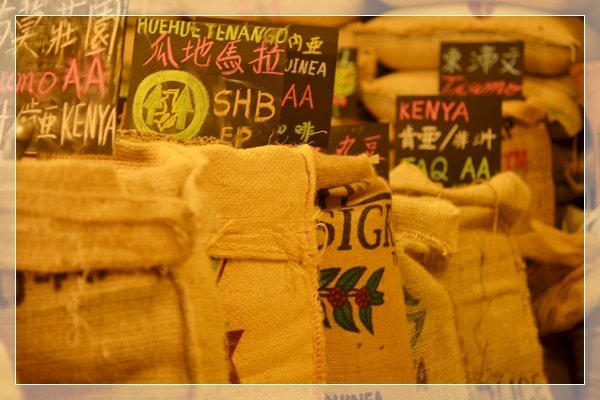
Ethiopia-Ghimbi, Sidamo, Harar and Yegashefi
Ethiopia's coffee-producing areas are divided into east and west parts by the Great Rift Valley. Lakes, volcanoes, lowlands, plateaus and woodlands alternate and evolve independently. Ethiopia has the most diverse coffee ecosystem in the world (forest coffee, semi-forest coffee, pastoral coffee and plantation coffee), which also allows it to preserve its rich Arabica genes. The eastern half is mostly plateau, coffee beans
2016-04-18 Essel Serre Biya Region Manor Kimbi Ghimbi Hilda Ha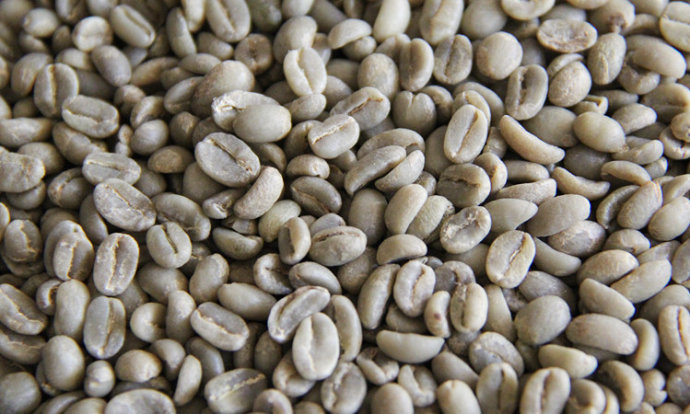
World Fine Coffee Bean: African Bean Wash Ye Jia Xue Fei Ke Chi G2 Flavor Clean Sweet
There are eight main coffee producing areas in Ethiopia: Nekempte(Lekempti) Gimbi Kimbi, Limu Limu, Illubabor Ibedo, Djimma, Harrar Harrar, Teppi/Bebeka, Sidamo Sidamo, Yirgacheffe, among which the more famous fine coffee producing areas are Nekempte(Lekempti), Limu, Harrar, Sidamo, Yi
2015-12-24 world boutique coffee beans africa wash yega sherry cocci flavor clean
Jasmine tea, which is preferred by Ghimbi growers as a composite bean material, is fragrant and bitter
Ethiopia's coffee-producing areas are divided into east and west parts by the Great Rift Valley. Lakes, volcanoes, lowlands, plateaus and woodlands alternate and evolve independently. Ethiopia has the most diverse coffee ecosystem in the world (forest coffee, semi-forest coffee, pastoral coffee and plantation coffee), which also allows it to preserve its rich Arabica genes. The eastern half is mostly plateau, coffee beans
2016-07-04 Kimbi Ghimbi Breeders Likes As Composite Material Jasmine Tea
What are the main producing areas of Ethiopian coffee?
The Eastern Highlands of Ethiopia (Harerge province), which grows between 5000 and 7000 feet above sea level, was still wild on slopes a century ago. Raw beans are mostly medium size and long at both ends, with yellow or golden green color, strong chocolate smell when baking, wild taste with moderate acid and rich texture, very typical mocha flavor, good Hara with jasmine flowers.
2016-05-25 Ethiopia coffee main want producing area which oriental high
The leader of the cafe
Until the 1990s, Kunming urban transformation, Nanlaisheng moved to several places, then disappeared. Later, we learned that Nanlaisheng was the only restaurant recommended by the magazine in Kunming in the World Travel Magazine abroad.
2014-05-19 Coffee shop coffee machine coffee beans coffee powder
Latin American coffee beans specialty coffee origin
The Ethiopian plateau is the birthplace of coffee. In the east, near Harrar, the ancient capital, mocha beans (Harrar,Harari,Harer or Harar) are still produced by traditional drying methods at an altitude of about 2,000 meters above sea level. Halal's texture is medium, with a fruity, wine-like flavor, good Halal's wildness is comparable to the best Yemeni mocha. Dried beans from other regions
2016-06-04 Latin America Coffee beans Specialities Coffee Origin
Ethiopian Sunshine Sidama Coffee Flavor and Taste introduction to Sidamo producing area
Gima, which accounts for about 50 per cent of Ethiopia's annual output, grows between 4400 and 6000 feet above sea level in the country's southwestern highlands (the border between Kaffa and Illubabor provinces) and is usually exported to G5/G4. However, in recent years, about 10% or 20% of Gima has been used to make up for the lack of taste of coffee, but its quality has gradually declined to its own level, but for the purchase of
2016-07-11 Ethiopia sun Dharma coffee flavor taste introduction producing area this
Introduction of Coffee Flavor description and Taste characteristics in Xidamo Chiso producing area of Ethiopia
Gima, which accounts for about 50 per cent of Ethiopia's annual output, grows between 4400 and 6000 feet above sea level in the country's southwestern highlands (the border between Kaffa and Illubabor provinces) and is usually exported to G5/G4. However, in recent years, about 10% or 20% of Gima has been used to make up for the lack of taste of coffee, but its quality has gradually declined to its own level, but for the purchase of
2016-09-26 Ethiopia Dharma Shaquiso producing area Coffee Flavor description palate characteristics
Coffee still smells good in Kunming.
In 1910, the small train of the Yunnan-Vietnam Railway drove into Kunming, and many foreigners who came to Kunming for the first time found that there were authentic western restaurants. When the railway was under construction, some French and Vietnamese catering people had already seen the business opportunities of western food in Kunming and took the lead in entering Kunming. However, according to the records, these western restaurants are trying to make a lot of money, and everyone eats.
2014-08-08 Coffee still Kunming fragrance 1910 Yunnan and Vietnam railway train enter
The Sidamo Coffee production area on the Ethiopian Plateau introduces boutique coffee.
Djimmah, which accounts for about 50 per cent of Ethiopia's annual output, grows between 4400 and 6000 feet above sea level in the country's southwestern highlands (the border between Kaffa and Illubabor provinces) and is usually exported to G5/G4. However, in recent years, about 10% or 20% of Gima has been used to make up for the lack of taste of coffee, but its quality has gradually declined to the water it should have.
2016-06-29 Ethiopia plateau altitude Dharma coffee production area introduction boutique Gima
Introduction to the characteristic varieties of Ethiopia's Xida Motede Manor with unique flavor
The unique fragrance of Yirgacheffe comes from Yirga, a small town in the northwest of Sidamo province. Yirgacheffe coffee raw bean is one of the most distinctive coffee in the world. It is rare and expensive. It is produced in the plateau of Ethiopia's Sidamo province, which is 2000 meters above sea level. It is an outstanding washed coffee in Africa.
2016-09-12 Flavor unique sexual Ethiopia Dharma Ted Manor producing area characteristics
The Development History of Coffee in China Coffee Culture in Kunming
In 1910, the small train of the Yunnan-Vietnam Railway drove into Kunming, and many foreigners who came to Kunming for the first time found that there were authentic western restaurants. When the railway was under construction, some French and Vietnamese catering people had already seen the business opportunities of western food in Kunming and took the lead in entering Kunming. However, according to the records, these western restaurants are trying to make a lot of money, and everyone eats.
2015-02-04 Coffee China Development History Kunming Coffee Culture 1910 Yunnan-Vietnam Railway