“Harald Coffee” search results (1000)

The god of poetry, Lambo, abandoned the article to do coffee business in Egypt, boutique coffee beans, Ethiopian flavor.
Ethiopia is mainly a wild coffee forest, want to chew coffee fruit or drink coffee, go into the forest to pick, so there was no coffee cultivation in ancient Ethiopia. Yemen had a large-scale coffee cultivation industry and coffee trade with Europe as early as the 15th and 16th centuries, and Ethiopia did not have a record of coffee trade until the 19th century. In 1838, Ethiopia passed through the port of the Red Sea
2016-04-20 Poetry child prodigy Lambo Jiwen going to Egypt coffee business boutique coffee beans Ethiopia
Ethiopian coffee
Ethiopia is the hometown of Arabica coffee, and it is in the forests of Kaffa that you can see wild Arabica coffee. In Ethiopian, coffee is called "Bun" or "Buna". Coffee beans (coffee bean) may be translated from "Kaffa Bun". Arabica coffee was discovered early in the Harald area.
2014-06-23 Coffee knowledge Ethiopia Coffee Encyclopedia
The characteristics of several major coffee producing areas in Ethiopia introduction to the Flavor description of Fine Coffee varieties
Harald is famous for its special bean variety, Longberry, which is processed by dry method. This coffee has a fruity aroma of red wine. It is this unique aroma from the Harald region that gives the mellow aroma of the Arabica coffee we usually drink. Kinby and Cedamo produce washed coffee. Kimbe Coffee has a balanced taste and a stronger flavor than Harald Coffee. Cedamo
2016-10-20 Ethiopia several coffee producing areas characteristics boutique flavor description
Lim, Ethiopia
Ethiopian coffee should be no stranger to every coffee lover, right? Do you like the refreshing fruit and bright taste of Yega Xuefei or do you prefer the bitterness and sweetness of Harald's chocolate? As the saying goes, radish and green vegetables have their own preferences. Don't stick to the same traditional taste. This spring, the sun-dried Lim brings us a new Ethiopian style combined with Yejiaxue.
2014-09-03 Ethiopia
Introduction to the characteristics of Grinding degree of Coffee Flavor description treatment method in Ethiopia Obi Alida Manor
Ethiopia latitudes 6 to 9 degrees north. Tropical forests 34 to 40 degrees east longitude and 1600 to 1800 m above sea level. Harald is not only the most expensive coffee in the world, but also a beautiful legend. Harald, a name that reflects the rise and fall of Ethiopia. In the era of underdeveloped means of transportation, especially when horses are the main means of transportation, high-quality thoroughbred horses have become the pursuit of people.
2016-10-20 Essel Obi Allie Manor Coffee Flavor description treatment Grinding characteristics
Introduction of Ted Manor in the Sidamo producing area of Ethiopia in the tropical forest at an altitude of 1600m to 1800m.
Ethiopia (Ethiopia, Ethiopia), latitude 6 to 9 degrees north. Tropical forests ranging from 34 to 40 degrees east longitude, 1600 to 1800 m above sea level. Ethiopia produces between 200000 and 250000 tons of coffee each year. Today, Ethiopia has become one of the largest coffee producers in the world, ranking 14th in the world and fourth in Africa. Essene
2016-06-22 Altitude 1600 1800 m tropics forests Ethiopia Dharma production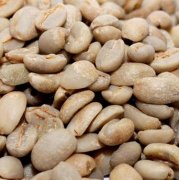
Coffee Variety Description: Harar
Harar coffee variety, common in the harar region of western ethiopia, is characterized by a strong tree species and high coffee yields; however, it is susceptible to disease.
2014-07-03 Coffee Varieties Harald Coffee Beans Ethiopian Fine Coffee Beans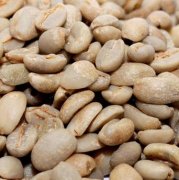
Coffee Variety Description Harar
Harar (Harar-4)(Origin) Ethiopia (Treatment) Sunburn (Roasting) Recommended Roast Level: City Roast or Deep City Roast (Cup Review) Medium to slightly sour, full-bodied, intense mocha flavor and signature blueberry flavor Common variety of Harar region in western Ethiopia, strong tree species
2014-09-25 Coffee Breed Introduction Harald
An introduction to the Coffee Culture in Ethiopia
In many cases, level 4 coffee is marked as level 5 in order to reduce taxes. The current classification is not uniform and messy, because there are also first-and second-tier (Grand G2) Yirga Cheffe processed by tanning, but the highest level of Harald (Harar) is level four (G4). The coffee-producing areas of Ethiopia are Sidamo, Harald and Yegashafi (
2016-06-01 Ethiopia coffee culture course introduction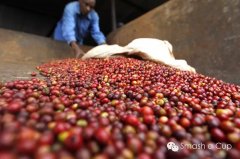
What are the boutique coffees in Ethiopia's high-altitude areas?
Ethiopian coffee is mostly produced in the plateau above 2000 meters above sea level, and the major producing areas are: Djimma; Gunby; Yirgachefe; Sidamo; Harald; Harar; and Harald coffee grows from Daroleb (Darolebu). The plain is 900 meters above sea level to the Sheikh Sheikh (C) in the highlands of eastern Ethiopia.
2016-06-08 Ethel Searle Biya high altitude altitude producing area which boutique coffee E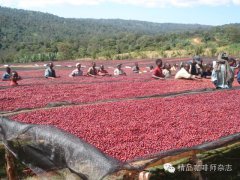
Ethiopian coffee is mainly produced in the plateau above 2000 meters above sea level.
Ethiopian coffee is mostly produced in the plateau above 2000 meters above sea level, and the major producing areas are: Djimma; Gunby; Yirgachefe; Sidamo; Harald; Harar; and Harald coffee grows from Daroleb (Darolebu). The plain is 900 meters above sea level to the Sheikh Sheikh (C) in the highlands of eastern Ethiopia.
2016-06-12 Ethiopia coffee from altitude 2000 above plateau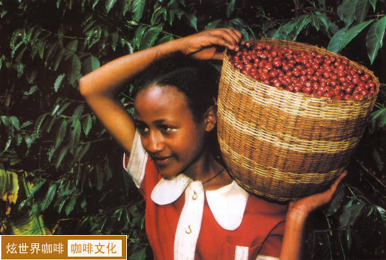
Take you into the mysterious world of coffee to find the hometown of coffee, Ethiopia.
What gives half a head a taste of civilization is the bright strawberry juice. But in people's minds, coffee is the symbol of civilization, originating from Ethiopia, witnessing the history of human civilization, the drink of gods and demons, the first taste of civilization, coffee, she has come all the way brilliantly, today, we will work with you to find the hometown of coffee-Ethiopia. About how coffee is grown and consumed throughout the country.
2015-12-01 Take you enter coffee mystery world find hometown Ethiopia half a song
The eight most famous coffee in the world-Ethiopian coffee is sour and mellow.
Essex is the first country in the world to grow coffee and maintain the oldest coffee culture. It still maintains a very traditional and ancient coffee growing process. Ethiopia latitudes 6 to 9 degrees north. Tropical forests 34 to 40 degrees east longitude and 1600 to 1800 m above sea level. Harald is not only the most expensive coffee in the world, but also a beautiful legend. Owned by Harald
2014-09-23 Coffee knowledge famous coffee Ethiopian coffee
Brief introduction of Ethiopian Coffee
Ethiopia is the hometown of Arabica coffee, and it is in the forests of Kaffa that you can see wild Arabica coffee. In Ethiopian, coffee is called "Bun" or "Buna". Coffee beans (coffee bean) may be translated from "Kaffa Bun".
2014-06-14 Coffee knowledge Ethiopia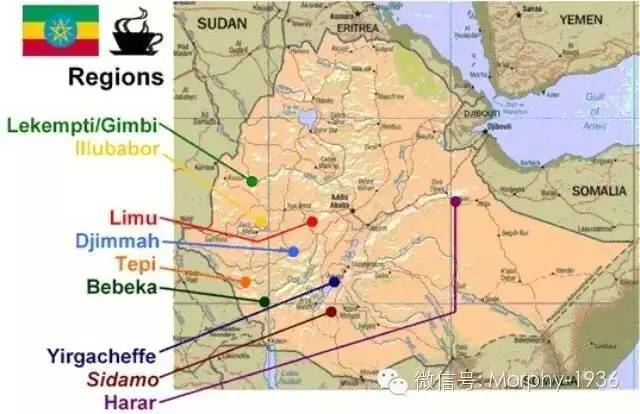
Introduction of boutique coffee beans Ethiopian coffee
Ethiopia is the hometown of Arabica coffee, and it is in the forests of Kaffa that you can see wild Arabica coffee. In Ethiopian, coffee is called Bun or Buna, and coffee beans (coffeebean) may be translated from Kaffa Bun. Arabica coffee was discovered early in the Harald area, probably from Kafa.
2015-07-09 Boutique coffee beans Ethiopia coffee introduction
Flavor characteristics of Ethiopian Fine Coffee Ethiopian Coffee
Ethiopia is the hometown of Arabica coffee, and it is in the forests of Kaffa that you can see wild Arabica coffee. In Ethiopian, coffee is called Bun or Buna, and coffee beans (coffeebean) may be translated from Kaffa Bun. Arabica coffee was discovered early in the Harald area, probably from Kafa.
2016-03-18 Ethiopia boutique coffee flavor characteristics
Introduction to Ethiopian Coffee, the hometown of Arabica Coffee
Ethiopia is the hometown of Arabica coffee, and it is in the forests of Kaffa that you can see wild Arabica coffee. In Ethiopian, coffee is called Bun or Buna, and coffee beans (coffeebean) may be translated from Kaffa Bun. Arabica coffee was discovered early in the Harald area, probably from Kafa.
2015-01-09 Rabbi coffee hometown Ethiopia introduction rabbi
Ethiopian coffee introduction Ethiopian coffee beans exquisite coffee beans and introduction
Ethiopia is the hometown of Arabica coffee, and it is in the forests of Kaffa that you can see wild Arabica coffee. In Ethiopian, coffee is called Bun or Buna, and coffee beans (coffee bean) may be translated from Kaffa Bun. Arabica coffee was discovered early in the Harald area.
2016-04-30 Ethiopia coffee introduction coffee beans exquisite
A brief introduction to boutique coffee and Ethiopian coffee
Ethiopia is the hometown of Arabica coffee, and it is in the forests of Kaffa that you can see wild Arabica coffee. In Ethiopian, coffee is called Bun or Buna, and coffee beans (coffee bean) may be translated from Kaffa Bun. Arabica coffee was discovered early in the Harar area, probably from the card.
2014-10-15 Coffee knowledge boutique coffee Ethiopian coffee
History and Culture of Coffee planting in Ethiopia
People in Ethiopia began chewing coffee and spices together in the sixth century, and it was most common for hunters to wrap coffee in bacon as the best dry food, so that they could have enough to eat and have the spirit to hunt. So chewing coffee as a tradition. In the mid-13th century, Ethiopia was already using pans as a tool for roasting coffee, leading the coffee culture.
2016-05-31 Ethiopia coffee cultivation history and culture sixth century people