“Grain” search results (2483)

The cultivated varieties of Coffee Tree: small seed and large seed
3. Cultivated varieties (1) small seed species (2) large grain species Coffea belongs to Rubiaceae, Coffea belongs to perennial evergreen shrubs or small trees, there are about 90 species. At present, there are small seed species (Arabian species), medium grain species (Gaffra species) and large grain species (Liberian species) cultivated in Hainan. (1) small seed species: also known as Arabian species, native to Ethiopia, evergreen shrubs. The plant is small, 4cm high and 5m high
2015-10-07 Coffee cultivation variety small grain large grain
Description of Flavor of small-grain Coffee from Tiepika in Yunnan Province of China
The western and southern parts of Yunnan Province are located between 15 N and the Tropic of Cancer, most of which are 1000-2000 meters above sea level. The topography is dominated by mountains and slopes, with large ups and downs, fertile soil, sufficient sunshine, rich rainfall and large temperature difference between day and night. These unique natural conditions form the special taste of Yunnan small-grain coffee, which is strong but not bitter, fragrant but not strong, slightly fruity. As early as fifty years
2016-09-28 China Yunnan pickup small grains coffee flavor description producing area taste characteristics
Cultivation techniques of small-grain coffee: multi-dry shaping and cultivation
Cultivation techniques of small-grain coffee: multi-dry shaping and cultivation
2014-06-17 Coffee knowledge small grain coffee coffee cultivation techniques
Yunnan small-grain Coffee Huaguoshan Coffee Flavor description grindability treatment characteristic Variety production area introduction
Coffee cultivation in China is concentrated in Yunnan and Hainan provinces. Yunnan has a large output, with an annual output of about 26000 tons in recent years, accounting for 90 per cent of the national output. It is said that Yunnan coffee came from the French 70 or 80 years ago. The main variety is Arabica Arabica, that is, the so-called small seed coffee, commonly known as Yunnan small grain coffee. The excellent geographical and climatic conditions of Yunnan provide good conditions for the growth of coffee.
2016-10-15 Yunnan small grains Coffee Huaguoshan Flavor description Grinding treatment characteristics varieties
Introduction to the Flavor and taste of Arabica Coffee in China
Arabica coffee accounts for 70% of all coffee production, and Arabica coffee accounts for 70% of all coffee products. its excellent flavor and aroma make it a direct drinkable coffee with only 8 Arabica beans (8). But its resistance to dryness, frost, diseases and insect pests is too low, especially the natural enemy of coffee-leaf rust, so all producing countries are in
2016-07-12 China rabbi coffee planting situation flavor taste introduction domestic native
Common sense of Coffee in China characteristics of small seed Coffee in Yunnan
The small seed species is Coffea arabica L., the medium grain species is Coffea canephora, and the large grain species is Coffea liberica family: Rubiaceae Coffee is also called Arabian species, medium grain species is also called Gaffra species, and large grain species are also called Liberian species, there are two common species: Arabica and Robusta. Coffee is rich in protein, fat,
2014-11-21 Coffee knowledge coffee common sense Yunnan coffee small grain coffee
The species of Arabica beans, the classification of Arabica beans, coffee beans, Arabica.
Variety editor native species in all coffee production, Arabica coffee accounts for 70% of the coffee 80%, its excellent flavor and aroma make it the only coffee that can be drunk directly. However, its resistance to dryness, frost, diseases and insect pests is too low, especially the natural enemy of coffee-leaf rust, so all producing countries are committed to variety improvement.
2016-03-17 Rabbi kadou species classification coffee beans varieties editors native all coffee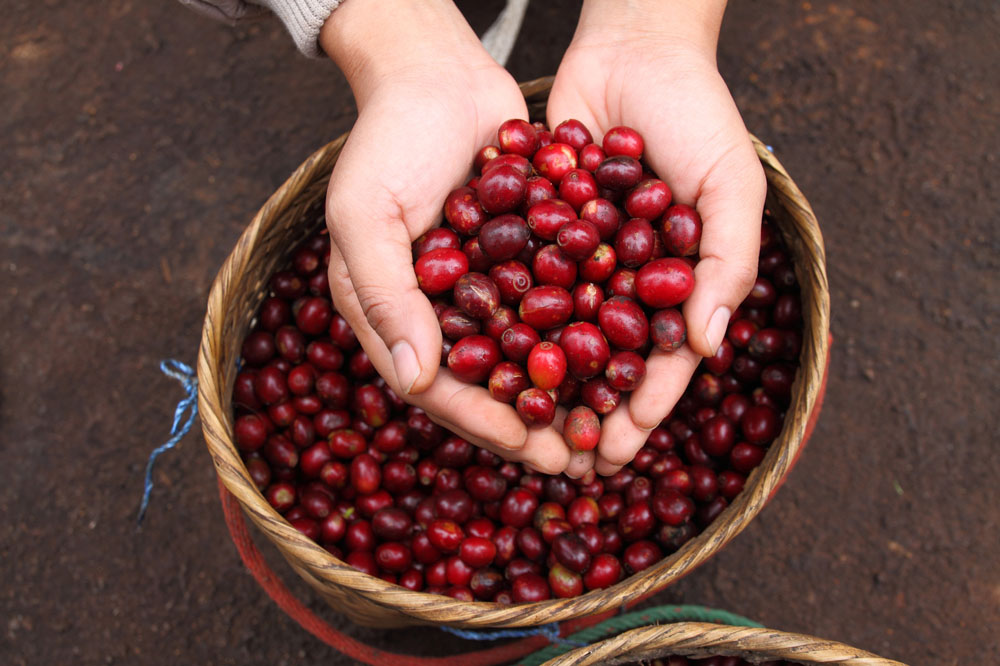
Chocolate color, grain type, complete Yemeni coffee flavor, character, taste and manor
Yemeni coffee is derived from hundreds of years old arabica coffee trees, all grown at altitudes above 3000 feet. For hundreds of years, the cultivation and production methods specific to Yemeni coffee have remained almost unchanged. Coffee seedlings are first cultivated in nurseries and then transplanted to high altitudes. No pesticides or fertilizers are used in the cultivation process. After maturity, coffee beans are naturally dried on coffee trees and shelled by stone mills.
2016-08-31 Chocolate Color Grain Type Whole Yemen Coffee Flavor Characteristics Taste Manor
Flavor Unique Grain Type Complete Yemeni Coffee Flavor, Character, Taste and Manor
Yemeni coffee is derived from hundreds of years old arabica coffee trees, all grown at altitudes above 3000 feet. For hundreds of years, the cultivation and production methods specific to Yemeni coffee have remained almost unchanged. Coffee seedlings are first cultivated in nurseries and then transplanted to high altitudes. No pesticides or fertilizers are used in the cultivation process. After maturity, coffee beans are naturally dried on coffee trees and shelled by stone mills.
2016-09-01 Flavor Unique Grain Type Complete Yemen Coffee Characteristics Taste Manor
Introduction to the flavor description and treatment of Yunnan small-grain coffee Huaguoshan coffee
Although the environmental problems of coffee cultivation can reach the standard of hot areas, they are far away from the equator, evaporation, large-scale coffee cultivation in Yunnan is less than 1100m above sea level, the severe drought in Yunnan in recent years, and the frost period in the producing areas, and so on, all make coffee planting can not be guaranteed normally, which directly affects the quality of coffee production. As for other processing problems, not to mention the quality of farmers, tea
2016-10-17 Yunnan small grains Coffee Huaguoshan Flavor description treatment characteristics Variety taste
Introduction to the planting situation of Arabica Coffee Manor
Arabica coffee trees grow between 900m and 2000 m above sea level; they are hardy, and the suitable growth temperature is 1524 ℃; they need more humidity, and the annual rainfall is not less than 1500 ml. At the same time, they also require higher cultivation techniques and conditions. Arabica coffee beans are mainly grown in South America (except Argentina and parts of Brazil), Central American countries and Africa.
2016-07-12 Rabbi card seed coffee origin introduction manor planting situation rabbi card species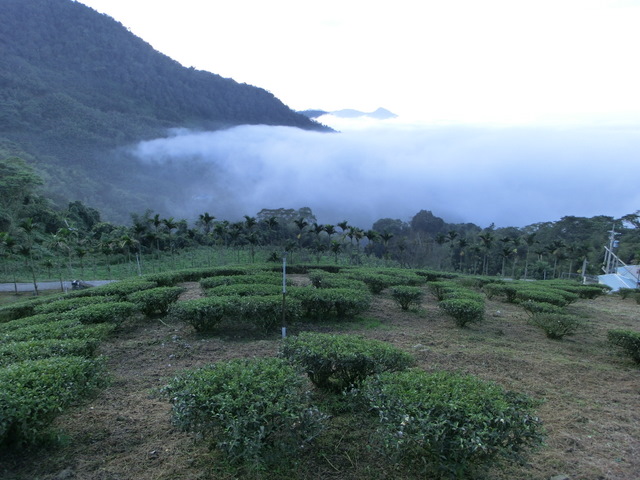
Yunnan beans Yunnan raw beans Yunnan bean output Yunnan small grain coffee species Yunnan coffee export
Coffee is a kind of beverage crop with high economic value, which is called the three largest beverages in the world together with cocoa and tea, and its output and consumption ranks first among the three beverages. Coffee is rich in protein, fat, sucrose, starch, glucose, caffeine and other substances, rich aroma and delicious taste. Coffee is a perennial evergreen shrub or small tree of the genus Coffea of Rubiaceae.
2016-03-22 Yunnan raw beans output small grains coffee export one economy value
An introduction to the characteristics of the Flavor Manor of small Grain Coffee in Yunnan, China
Pu'er, Xishuangbanna, Wenshan, Baoshan, Dehong, Lincang and other places in the south and west of Yunnan are all the distribution areas of small-grain coffee in Yunnan. As of January 1, 2012, according to the comprehensive survey of Yunnan Province, the planting area of coffee in Yunnan has exceeded 800000 mu, and the output of coffee beans in this period is expected to exceed 55000 tons. For the future, the blueprints of local governments in Yunnan have also been drawn up:
2016-09-19 China Yunnan pickup small grains Coffee Flavor Manor characteristics introduction
With chocolate color, complete grain shape, Yemeni coffee flavor, characteristics, taste and manor
Yemeni coffee originated from Arabian coffee trees hundreds of years ago, all of which are produced in areas above 3000 feet above sea level. For hundreds of years, the unique planting and production methods of Yemeni coffee have remained almost unchanged. The seedlings of Yemeni coffee trees are first cultivated in nurseries and then transplanted to high elevations. Pesticides and fertilizers are not used in the breeding process. Mature coffee beans are naturally dried on coffee trees and shelled by stone mill.
2016-08-31 Chocolate Color Grain intact Yemen Coffee Flavor speciality Taste Manor
Basic information about coffee in Coffee Encyclopedia
[scientific name] the small grain species is Coffea arabica L., the medium grain species is Coffea canephora, the large grain species is Coffea liberica, which is also called Arabian species, the medium seed species is also called Gaffra species, and the large grain species are also called Liberian species. There are two common species: Arabica and Robusta. Rubiaceae (Rubiaceae), coffee genus (Coffea) [domestic]
2014-09-16 Coffee knowledge coffee information coffee encyclopedia
Introduction to the flavor and taste of Arabica seed manor of small seed coffee
Arabica is deeply loved by Chinese people with a short history of coffee contact because of its strong fruity aroma. it was introduced to China by missionaries in the 19th century and was widely planted in Panzhihua, Sichuan, and the dry-hot valley of the Jinsha River in western Yunnan, where the sunshine was long and there was a big temperature difference between day and night. The local people solved the problem of insufficient seasonal rainfall by diverting water up the mountain.
2016-07-16 Small grains coffee rabbi card seed manor producing area flavor taste introduction
Unique Grain shape complete Yemeni Coffee Variety characteristics introduction to Flavor Coffee beans in Manor
Yemeni coffee originated from Arabian coffee trees hundreds of years ago, all produced in areas above 3000 feet above sea level. For hundreds of years, the unique planting and production methods of Yemeni coffee have remained almost unchanged. The seedlings of Yemeni coffee trees are first cultivated in nurseries and then transplanted to high elevations. Pesticides and fertilizers are not used in the breeding process. Mature coffee beans are naturally dried on coffee trees and shelled by stone grinding.
2016-09-01 Flavor unique grain shape complete Yemen coffee variety characteristics taste manor
Yemeni Coffee with complete Grain shape and unique Flavor introduction to Fine Coffee beans in Manor
Yemeni coffee originated from Arabian coffee trees hundreds of years ago, all produced in areas above 3000 feet above sea level. For hundreds of years, the unique planting and production methods of Yemeni coffee have remained almost unchanged. The seedlings of Yemeni coffee trees are first cultivated in nurseries and then transplanted to high elevations. Pesticides and fertilizers are not used in the breeding process. Mature coffee beans are naturally dried on coffee trees and shelled by stone grinding.
2016-09-02 Grain size integrity flavor unique Yemen coffee taste variety characteristics manor
Yunnan small-grain Coffee Huaguoshan Coffee Flavor description introduction of brewing methods and varieties
Coffee cultivation in China is concentrated in Yunnan and Hainan provinces. Yunnan has a large output, with an annual output of about 26000 tons in recent years, accounting for 90 per cent of the national output. It is said that Yunnan coffee came from the French 70 or 80 years ago. The main variety is Arabica Arabica, that is, the so-called small seed coffee, commonly known as Yunnan small grain coffee. The excellent geographical and climatic conditions of Yunnan provide good conditions for the growth of coffee.
2016-10-11 Yunnan small grains coffee Huaguoshan flavor description brewing way taste variety
Yemeni Coffee varieties with complete Grain shape and unique Flavor introduction to Fine Coffee beans in Manor
Yemeni coffee originated from Arabian coffee trees hundreds of years ago, all produced in areas above 3000 feet above sea level. For hundreds of years, the unique planting and production methods of Yemeni coffee have remained almost unchanged. The seedlings of Yemeni coffee trees are first cultivated in nurseries and then transplanted to high elevations. Pesticides and fertilizers are not used in the breeding process. Mature coffee beans are naturally dried on coffee trees and shelled by stone grinding.
2016-09-02 Grain shape integrity flavor unique Yemen coffee variety characteristics taste manor