“Grading” search results (2105)

Coffee bean grading instructions
At present, there is no international standard for coffee bean quality classification, and the classification method varies from country to country, so coffee classification is carried out according to some characteristics applicable to each producing country.
2014-07-11 Coffee knowledge coffee bean grading coffee encyclopedia
Coffee beans are also divided into "aristocratic and poor classes".
Coffee quality Evaluation Coffee producing countries have their own grading methods and quality evaluation standards in order to grade their harvested coffee, of course, there are also famous coffee mochas. Like Yemen in Matali, there are no countries with uniform export specifications and no coffee culture of the same style. If there are common evaluation criteria for coffee producers all over the world, it will be convenient for buyers.
2014-08-29 Coffee beans coffee encyclopedia
The method of coffee grading in Ethiopia basic knowledge of coffee
Hara is the most important sun bean producing area in Ethiopia. Hara sun beans are low-key but have fermented blueberry wine and unpredictable aromas. Long rice (long berry) Halamoka is called (Boldgrain) the highest grade in Haramoka after the second manual screening. (1. Short berry 2. Long berry 3.Boldgrain) Ethiopian coffee
2015-05-14 Ethiopia coffee grading methods basics common sense Hara producing areas
Grading of Vivette Nan Fruit Coffee beans in Coffee producing area of Guatemala
Guatemala is also rated on the basis of altitude. Coffee produced at high altitudes is generally of higher quality than at lower altitudes, because the higher the altitude, the lower the temperature. At high elevations, the slower the coffee grows, the more beneficial it will be to the accumulation of good substances. That's why there is a way to classify quality by altitude. So, at altitude,
2016-06-14 Guatemala Coffee producing areas Viv Tenan Coffee beans grading points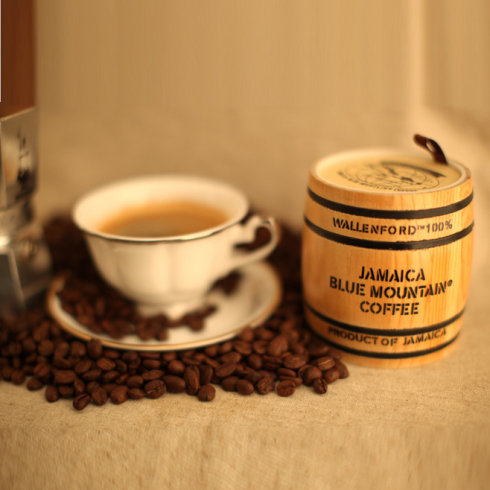
Blue Mountain Coffee has a high requirement for the proportion of defective beans, which gives priority to the grading system of giving priority to defects.
Introduction: although the output of Blue Mountain Coffee is very small, it has a strict grading system. Even if it is produced in the legal Blue Mountain producing area, it should be graded according to the size of beans and the proportion of defects. BlueMountainNo.1 Blue Mountain No. 1 bean type: 96% above 17 Bl 18 eyes defective bean proportion: 2% BlueMountainNo.2 Blue Mountain 2 bean type: 96% above 16 inch defective bean proportion: 2% Bl
2016-04-18 Blue Mountain coffee for defects proportion there are very high requirements size priority
Brief introduction and grading of Ethiopian Coffee beans
Most of the sun-processed coffee in eastern Ethiopia are grade 4 or grade 5 (G4, G5). In many cases, level 4 coffee is marked as level 5 in order to reduce taxes. At present, the grading is not uniform and a bit messy, because there are also first-and second-tier (Grand G2) Yirga Cheffe coffee processed by solarization, but the highest grade of Harald (Harar) is level four (
2016-06-01 Ethiopia Coffee beans introduction grading East region Solar processing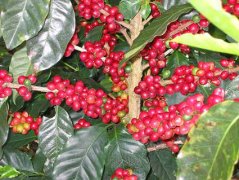
Grading of Sumatran Coffee beans Mount Kintamani, an Indonesian producing area
In the traditional culture of Bali, coffee is used as a cheap beverage raw material. The flavor and quality of the region have been unstable or depressed, and most of them have become cheap commercial beans. Rodney and his partners decided to change the local people's stereotype of coffee. They chose the Wubu Market area, the cultural center of Bali, and opened the only one on the island.
2016-04-13 Sumatra Coffee beans grading Indonesia producing areas Jinta Mani Kin
Coffee knowledge Daquan coffee bean baking grading
The roasting degree of coffee beans can be subdivided into 8 levels, as shown in the table. In the baking stage, countries have a special preference for Light shallow baking, the lightest baking, with grass flavor, no aroma and concentration to speak of. The experiment uses light Cinnamon cinnamon to bake with a general baking degree and a strong sour taste. The beans are cinnamon. Medial is a favorite of the American West in medium baking.
2014-09-16 Coffee knowledge coffee bean roasting grading coffee roasting technology
Ethiopia, the largest producer of coffee in Africa.
Coffee grading and quality control system in Ethiopia, coffee grading and quality control system is divided into three levels: producer, regional and national. All coffee is inspected by local inspection agencies before leaving the country of origin, and then re-tested at the coffee inspection and grading centers in Addis and Diredawa to determine its quality grade. Coffee is graded before auction and sale
2016-06-16 Africa largest producer Ethiopia coffee
General knowledge of Coffee Coffee grading system is summarized according to the altitude of coffee producing area.
The classification criteria such as the altitude classification of coffee producing areas are mainly because the quality of coffee produced at high altitude is generally higher than that at low altitude, because high altitude and low temperature, slow coffee production is conducive to the accumulation of good substances. And the raw beans with high maturity have good expansibility when baking, which is beneficial to baking, and the quality is more stable. Coffee production using this grading standard at present
2016-05-10 Coffee common sense grading system summary origin altitude coffee
Coffee bean grading
At present, there is no international standard for coffee bean quality classification, and the classification method varies from country to country, so coffee classification is carried out according to some characteristics applicable to each producing country. Take samples of coffee beans from a bag, judge them according to the standards of the producing country, grade the samples, and determine whether they are good or bad according to the evaluation.
2014-06-10 Coffee bean grading
Coffee beans are also divided into "aristocratic and poor classes". Evaluation of the quality of coffee
Coffee quality Evaluation Coffee producing countries have their own grading methods and quality evaluation standards in order to grade their harvested coffee, of course, there are also famous coffee mochas. Like Yemen in Matali, there are no countries with uniform export specifications and no coffee culture of the same style. If there are common evaluation criteria for coffee producers all over the world, it will be convenient for buyers.
2015-10-20 Coffee beans also have aristocracy poor class distinction quality evaluation
Kenyan coffee grading method-points classification of defective beans-high classification of origin
◎ in order to produce a high degree of classification, generally speaking, due to the cold climate, slow growth rate of coffee, higher density of raw beans, harder texture, more mellow aroma of coffee, and supple sour taste; on the contrary, the density of raw beans is smaller, the texture is less hard, the quality of coffee is worse, so some people classify by hardness. This grading method can be divided into the following categories
2016-06-17 Kenya Coffee Grade Partition method defect points grading Origin height
The Common sense of Coffee beans correctly using Q Grader to Grade Coffee
In the Q Grader course (a professional coffee bean grading course), I found that people can't be 100% objective when grading coffee beans. Everyone's experience of coffee is different, because we have different taste buds, different noses and different brains, so we can't judge the taste of coffee objectively. For example, when I have a drink
2015-01-08 Coffee beans common sense correct use Grader coffee grading Gra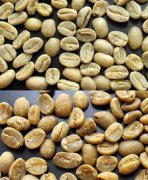
Grading of raw coffee beans there are two ways to grade raw coffee beans.
There are two ways to classify raw coffee beans, one is the filter number, and the other is the elevation. It is divided by the filter number, and the size is size in terms of the screen size. Round beans are generally smaller than flat beans, between 8-13 and 12-29. 8, 9, 10. 12, 13. 18. 29 = small, medium, ordinary. Quasi-big. Big, extra large. The bigger the size, the bigger the beans. Like SC-.
2015-06-05 Coffee beans grading coffee raw beans methods two kinds
Reference index of coffee bean grading
(1) the size of coffee beans it is said that the size of beans does not affect the flavor of coffee, such as Mattari in Yemen. Although the particles of beans are large and small, they are still the top grade of coffee. However, in many producing areas, the size of coffee beans is indeed a valuable indicator. The regions where this classification method is generally used are Kenya, New Guinea and Poland.
2016-05-26 Coffee beans grading reference indicators coffee beans size people say beans no shadow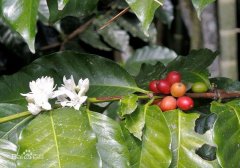
Coffee graded Ethiopian coffee coffee shop
Boutique coffee (specialty coffee) is also called specialty coffee selection coffee. It refers to coffee made from a small number of raw beans with excellent taste grown in an ideal geographical environment. Depending on the special soil and climatic conditions in which they grow, they have outstanding flavor. After strict selection and classification, this kind of coffee is hard in texture, rich in taste and stylish.
2016-06-16 Coffee grading Esso Biya species Coffee Shop boutique speci
Graded coffee raw bean treatment
At present, there are three main rating criteria for raw coffee beans, and different countries adopt different rating methods according to their own production conditions and national conditions (not all coffee producing countries adopt the same method). Let's introduce these three popular rating methods. One: the reason for the emergence of such a classification standard according to the altitude of the coffee producing area is mainly because of the high level.
2014-09-18 Grading of raw coffee beans and treatment of raw coffee beans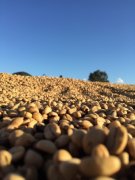
The method of grading and classification of coffee beans
Coffee beans are graded first by size and then by density. With two exceptions, all coffee beans have a considerable size and the same proportion, with flat on one side and semi-oval on the other. The special cases are pea-shaped coffee beans that tend to be more oval in shape and giant coffee beans with large particles (that is, Marragol peel coffee beans). The prices of these two kinds of coffee beans are always higher.
2014-12-29 Coffee common sense boutique coffee beans grading classification methods press first big
The roasting degree of coffee introduces the characteristics of fine coffee
Baking degree marking: deep baking, Nanyi, Beiyi, Vienna, French baking in addition to the origin-related marking, the most common is about the baking degree marking. Raw coffee beans need to go through the roasting process to release their unique charming aroma, and the roasting of coffee is closely related to its flavor. If you see "Italy", "Vienna", "Nanyi" and other signs on the coffee label
2016-06-13 Coffee roasting degree introduction boutique characteristics