“Grading” search results (2105)

Introduction to the planting environment of Ethiopian coffee
Due to different planting methods, coffee can be divided into three types: forest-semi-forest coffee (Forest or semi-forest coffee), courtyard coffee (Garden coffee) and plantation coffee (Plantation coffee). 60% of the coffee belongs to forest-semi-forest coffee. In such a wild coffee forest, pesticides are not used at all, but biological methods are used to control pests. 35%
2016-06-15 Ethiopia coffee planting environment introduction due to different ways
Classification standard of raw coffee beans
There are two ways to classify raw coffee beans, one is the filter number, and the other is the elevation.
2014-06-04 Coffee knowledge coffee raw beans grading standards
The concept of Fine Coffee Specialty Coffee (1)
The traditional classification of coffee beans is usually based on the classification criteria defined by the coffee producing countries, and then agreed to become common in the international market and traded under such a tacit understanding. For a long time, coffee producing countries have their own classification and evaluation criteria for coffee, which serve as the pricing guidelines in the coffee market. But slowly in recent years, coffee consuming countries have begun to demand unified evaluation criteria.
2014-08-25 Coffee knowledge boutique coffee coffee definition
Interpretation of the name of coffee beans
Why do coffee beans have such a long name? Why is there a single item, deep roast and Italian style of coffee? How is this distinguished?
2014-07-07 Coffee knowledge coffee name coffee encyclopedia
Learn about coffee beans
Professionals all know that there may be great differences in the flavor of coffee beans from different years and different producing areas. Professional roasters will taste the raw coffee beans from different producing areas every year, and adjust the way of roasting and blending, so that consumers can get products with stable flavor and little difference.
2014-07-14 Coffee knowledge coffee encyclopedia coffee knowledge
Ethiopian coffee flavor manor area with nut flavor
In Ethiopia, the grading and quality control system of coffee is divided into three levels: producer, regional and national. All coffee is inspected by local inspection agencies before leaving the country of origin, and then re-tested at the coffee inspection and grading centers in Addis and Diredawa to determine its quality grade. Coffee is graded before auction and sale, for all involved in production, acquisition,
2016-07-14 Nuts aroma Ethiopia coffee flavor taste manor producing area
The relationship between Kenyan coffee and Arabica coffee beans
In Ethiopia, the grading and quality control system of coffee is divided into three levels: producer, regional and national. All coffee is inspected by local inspection agencies before leaving the country of origin, and then re-tested at the coffee inspection and grading centers in Addis and Diredawa to determine its quality grade. Coffee is graded before auction and sale, for all involved in production, acquisition,
2016-06-13 Ethiopia Yega Sheffield Coffee Kenya Rabbi Coffee beans relationship
Analysis of Chinese Coffee quality and grading of Yunnan Coffee
Yunnan coffee specific quality: raw coffee bean appearance requirements: the color should be light blue or light green, with luster, fresh smell, no sour and odor and other peculiar smell, round or oval. Coffee rice classification: with screening extension, machine sieve, sieve hole 6.5, 6.0, 5.5, 5.0 mm is divided into five levels, each level has a standard sample, which is the lowest standard sample. Level I: above 6.5mm
2014-10-16 Coffee knowledge Chinese coffee Yunnan coffee coffee quality
Introduction to the Flavor characteristics of Ethiopian Yega Xuefei Coffee
In Ethiopia, the grading and quality control system of coffee is divided into three levels: producer, regional and national. All coffee is inspected by local inspection agencies before leaving the country of origin, and then re-tested at the coffee inspection and grading centers in Addis and Diredawa to determine its quality grade. Coffee is graded before auction and sale, for all involved in production, acquisition,
2016-06-15 Ethiopia Yega Chevy Coffee Flavor characteristics introduction
An introduction to the characteristics of Ethiopian Coffee Flavor Manor
In Ethiopia, the grading and quality control system of coffee is divided into three levels: producer, regional and national. All coffee is inspected by local inspection agencies before leaving the country of origin, and then re-tested at the coffee inspection and grading centers in Addis and Diredawa to determine its quality grade. Coffee is graded before auction and sale, for all involved in production, acquisition,
2016-07-26 Aroma taste Ethiopia coffee flavor manor producing area characteristics introduction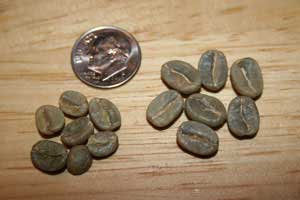
Knowledge points of Coffee Raw Bean: the concept of Fine Coffee Specialty Coffee (1)
The traditional classification of coffee beans is usually based on the classification criteria defined by the coffee producing countries, and then agreed to become common in the international market and traded under such a tacit understanding. For a long time, coffee producing countries have their own classification and evaluation criteria for coffee, which serve as the pricing guidelines in the coffee market. But slowly in recent years, coffee consuming countries have begun to demand unified evaluation criteria.
2015-12-18 Coffee raw beans knowledge essentials boutique Specialty Coffe
Boutique Coffee introduced by Manors in Sidamo Coffee Bean producing area of Ethiopia
Due to different planting methods, coffee can be divided into three types: forest-semi-forest coffee (Forest or semi-forest coffee), courtyard coffee (Garden coffee) and plantation coffee (Plantation coffee). 60% of the coffee belongs to forest-semi-forest coffee. In such a wild coffee forest, pesticides are not used at all, but biological methods are used to control pests. thirty-five
2016-07-01 Ethiopia Dharma coffee beans producing areas manors introductions boutique coffee due to
Ethiopian (mocha) coffee
The geographical environment of Ethiopia is very suitable for coffee growth. Mocha coffee is mainly grown in the southern highlands between 1100 and 2300 meters above sea level. The main coffee producing areas are Harar, Limu, Djimma, Sidamo, Kaffa, Yergacheffe and Wellega.
2016-06-02 Ethiopia mocha coffee geography very suitable
Introduction of Ethiopian Coffee Bean varieties in Ethiopian Coffee Flavor Manor
In Ethiopia, the grading and quality control system of coffee is divided into three levels: producer, regional and national. All coffee is inspected by local inspection agencies before leaving the country of origin, and then re-tested at the coffee inspection and grading centers in Addis and Diredawa to determine its quality grade. Coffee is graded before auction and sale, for all involved in production, acquisition,
2016-07-25 Ethiopia coffee flavor taste manor producing area introduction coffee beans variety
The Secret in the label: interpreting the name of Coffee Bean
Why do coffee beans have such a long name? Why is there a single item, deep roast and Italian style of coffee? How is this distinguished?
2014-07-22 Coffee knowledge label interpretation of coffee beans
The long aftertaste of Ethiopian coffee introduces the characteristics of Ethiopian coffee.
In Ethiopia, the grading and quality control system of coffee is divided into three levels: producer, regional and national. All coffee is inspected by local inspection agencies before leaving the country of origin, and then re-tested at the coffee inspection and grading centers in Addis and Diredawa to determine its quality grade. Coffee is graded before auction and sale, for all involved in production, acquisition,
2016-07-30 Aftertaste long Ethiopia coffee flavor taste introduction characteristics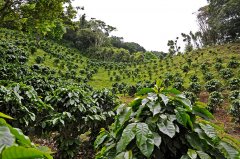
Burundian boutique coffee African coffee delicious single item
Boutique coffee has a strict grading system. Generally, raw beans are preserved in parchment coffee beans in the form of endocarp after processing, and the endocarp is removed before export. Go through a strict grading process to ensure the uniformity of quality. And it is very important to preserve the protection in the process of transportation, such as the control of temperature and humidity, the control of ventilation, avoiding odor adsorption and so on.
2016-05-25 Burundi boutique coffee Africa delicious single strict classification
Teach you to understand coffee beans from the label
Professionals all know that there may be great differences in the flavor of coffee beans from different years and different producing areas. Professional roasters will taste the raw coffee beans from different producing areas every year, and adjust the way of roasting and blending, so that consumers can get products with stable flavor and little difference.
2014-05-16 Coffee knowledge coffee beans
Flavor description of Ethiopian Coffee Manor introduction to the treatment methods of Grinding degree
In Ethiopia, the grading and quality control system of coffee is divided into three levels: producer, regional and national. All coffee is inspected by local inspection agencies before leaving the country of origin, and then re-tested at the coffee inspection and grading centers in Addis and Diredawa to determine its quality grade. Coffee is graded before auction and sale, for all involved in production, acquisition,
2016-09-30 Ethiopia Coffee Manor Flavor description Grinding handling methods
Colombian coffee raw bean grading method
One: according to the defect rate, the number of defective beans allowed per 500 gr sample:-Private raw bean exporter: 72 defects-National Coffee Council: 42 defects defective beans are divided into two types:-first: known as first-level defects-second: called second-level defects first: main defects (defects that affect coffee taste characteristics): black beans, moldy beans.
2014-09-11 Coffee knowledge Colombian coffee beans coffee encyclopedia