“Gima” search results (86)

Nekisse coffee beans
Nekisse is the third 90 + bean found by Ninety Plus after Aricha and Beloya in 2010. And got the highest score of 96 in Coffee Review for that year.
2014-06-18 Coffee knowledge Coffee Encyclopedia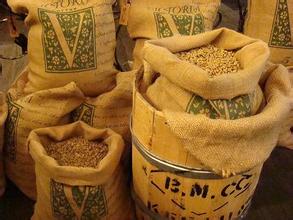
Djimmah, an Ethiopian coffee producing area, follows the ancient method to take the sun treatment class.
The coffee-producing region of Ethiopia is divided into east and west parts by the East African Rift Valley, with lakes, volcanoes, lowlands, plateaus and woodlands interlaced, each evolving. Ethiopia has the most diverse coffee ecosystem in the world (forest coffee, semi-forest coffee, pastoral coffee and plantation coffee), which also preserves its rich Arabica genes. The eastern half is mostly plateaus, coffee beans.
2016-04-18 Ethiopia Coffee producing area Gima Djimmah follow the Ancient method
Ethiopia coffee production area profile Ethiopia West Dharma
Harar/Sundried/Dry-Processed Harar is located in the Eastern Highlands of Ethiopia (Haredge Province) and grows at an altitude of 5,000 - 7,000 feet. It was still wild on hillsides a century ago. Most raw beans are medium in size and pointed at both ends. The color is green with yellow or gold. When baked, it has a strong chocolate smell.
2016-04-30 Ethiopia Coffee Major Region Profile Dharma Harar
Brief introduction of main producing areas of Ethiopian Coffee
Hara (Harar) / Solar or dried (Sundried/Dry-Processed) Hara is located in the Eastern Highlands of Ethiopia (Harerge Province) and grows between 5000 and 7000 feet above sea level. It was still wild on slopes a century ago. Most of the raw beans are medium size and have long tips at both ends, with a yellowish or golden green color and strong chocolate when baking.
2016-04-30 Ethiopia Coffee main producing area profile Hara Harar Solar
The only place in the world that has wild coffee, black mountain Harald coffee in Harald, Ethiopia.
Ethiopian coffee is mostly produced in the plateau above 2000 meters above sea level, with large producing areas such as Gima, Gamby, Yeerqifa, Sidamo and Harald. Among them, the region is still the only place in the world with wild coffee, which is auctioned in London every year and the auction price is astonishingly high. Harald, located in eastern Ethiopia, is an ancient building with a long history.
2016-06-20 The only place in the world wild coffee place Ethiopia Harald Rahl mountain
A brief introduction to the main producing areas of delicious Ethiopian coffee
Hara (Harar) / Solar or dried (Sundried/Dry-Processed) Hara is located in the Eastern Highlands of Ethiopia (Harerge Province) and grows between 5000 and 7000 feet above sea level. It was still wild on slopes a century ago. Most of the raw beans are medium size and have long tips at both ends, with a yellowish or golden green color and strong chocolate when baking.
2016-05-03 Delicious Ethiopia coffee main producing area profile boutique coffee beans Hara
A brief introduction to the main producing areas of coffee beans in Ethiopia
Hara (Harar) / Solar or dried (Sundried/Dry-Processed) Hara is located in the Eastern Highlands of Ethiopia (Harerge Province) and grows between 5000 and 7000 feet above sea level. It was still wild on slopes a century ago. Most of the raw beans are medium size and have long tips at both ends, with a yellowish or golden green color and strong chocolate when baking.
2015-09-01 Coffee Origin Ethiopia Coffee beans main producing areas profile Hara
Nekisse coffee beans from Sidama
Nekisse is the third 90 + bean found by Ninety Plus after Aricha and Beloya in 2010. And got the highest score of 96 on Coffee Review for that year (the following materials are mostly taken from the website of Ninety Plus). Nekisse's raw bean smell is so special that when you open the bag, you will be shocked by its strong wine smell. As for the taste, maybe you need a
2015-03-09 From Cedar Sidama Nekisse coffee beans Nekis
Nekisse Coffee Bean producing area: Cedama Sidama
Nekisse is the third 90 + bean found by Ninety Plus after Aricha and Beloya in 2010. And got the highest score of 96 on Coffee Review for that year (the following materials are mostly taken from the website of Ninety Plus). Nekisse's raw bean smell is so special that when you open the bag, you will be shocked by its strong wine smell. As for the taste, maybe you need a
2015-01-27 Nekisse coffee beans producing areas Cedar Sidama Nekis
Nekisse Coffee Bean producing area: Cedama Sidama
Nekisse is the third 90 + bean found by Ninety Plus after Aricha and Beloya in 2010. And got the highest score of 96 on Coffee Review for that year (the following materials are mostly taken from the website of Ninety Plus). Nekisse's raw bean smell is so special that when you open the bag, you will be shocked by its strong wine smell. As for the taste, maybe you need a
2015-04-11 Nekisse coffee beans producing areas Cedar Sidama Nekis
Producing area: Cedama Sidama Nekisse coffee beans
Nekisse is the third 90 + bean found by Ninety Plus after Aricha and Beloya in 2010. And got the highest score of 96 on Coffee Review for that year (the following materials are mostly taken from the website of Ninety Plus). Nekisse's raw bean smell is so special that when you open the bag, you will be shocked by its strong wine smell. As for the taste, maybe you need a
2015-04-14 Production area Cedar Sidama Nekisse Coffee beans Nekis
Introduction to Nekisse Coffee Bean (Origin: Sidama)
Nekisse is Ninety Plus's third 90+-compliant bean found in 2010 after Aricha Beloya. It also received the highest score of 96 points in the Coffee Review for the year (the following information is mostly taken from the Ninety Plus website). Nekis Nekisse is the third match Ninety Plus found in 2010 after Aricha Beloya.
2015-12-07 Boutique Coffee beans Nekisse Appellation Sidama Introduction
Cedama Sidama production area boutique coffee beans Nekisse coffee beans
Nekisse is the third 90 + bean found by Ninety Plus after Aricha and Beloya in 2010. And got the highest score of 96 on Coffee Review for that year (the following materials are mostly taken from the website of Ninety Plus). Nekisse's raw bean smell is so special that when you open the bag, you will be shocked by its strong wine smell. As for the taste, maybe you need a
2015-07-10 Cedar Sidama production area boutique coffee beans Nekisse Ne
Introduction of Nekisse Coffee beans in Sidama producing area of Cedar
Nekisse is the third 90 + bean found by Ninety Plus after Aricha and Beloya in 2010. And got the highest score of 96 on Coffee Review for that year (the following materials are mostly taken from the website of Ninety Plus). Nekisse's raw bean smell is so special that when you open the bag, you will be shocked by its strong wine smell. As for the taste, maybe you need a
2015-10-24 Cedar Sidama producing area beans introduction Nekisse Coffee beans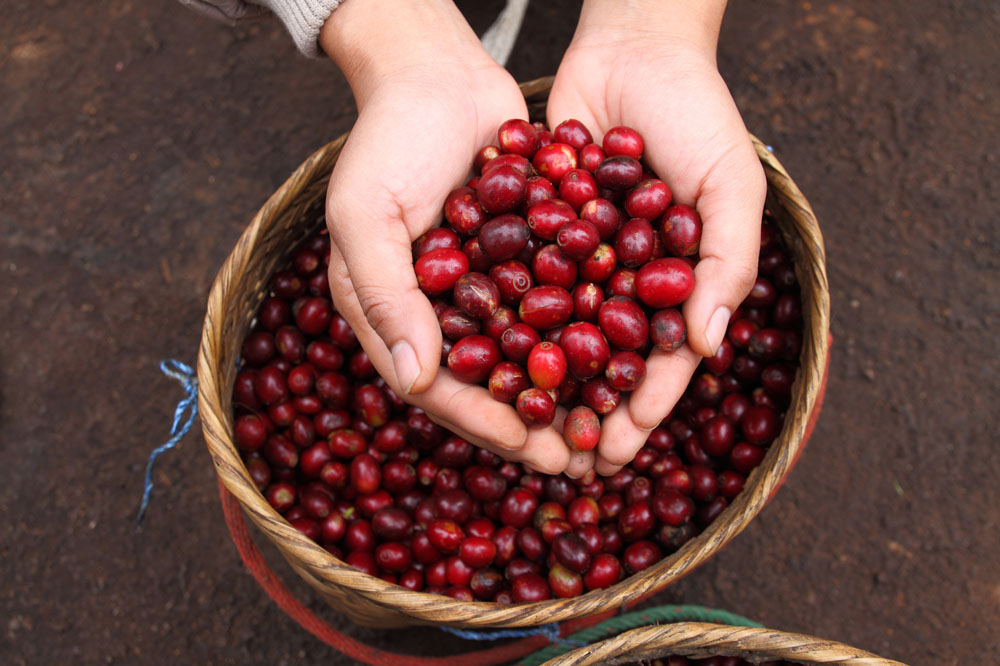
World Fine Coffee: introduction of Nekisse Coffee beans (producing area: Cedama Sidama)
Nekisse is the third 90 + bean found by Ninety Plus after Aricha and Beloya in 2010. And got the highest score of 96 on Coffee Review for that year (the following materials are mostly taken from the website of Ninety Plus). Nekis Nekisse is the third match found by Ninety Plus in 2010 after Aricha and Beloya.
2015-12-16 World boutique coffee Nekisse coffee beans producing areas Cedar Sid
6 Types of Ethiopian Coffee
1. Limu coffee grows between 1400 meters and 2000 meters above sea level. washed coffee. Excellent quality, with intense nutty aromas, moderate acidity and wine intensity. Annual production of 29,000 tons. Gima coffee grows between 1400 and 1800 meters above sea level. Sunburn coffee. Slightly sour, nutty and long finish. Annual production of 70,000 tons. 3. Gambi coffee grows
2014-07-14 Coffee knowledge Ethiopian coffee Coffee encyclopedia
Six kinds of world-famous Ethiopian coffee
1. Limu coffee grows between 1400 meters and 2000 meters above sea level. Wash the coffee. Excellent quality, with strong nut aromas, suitable acidity, with the intensity of wine. The annual output is 29000 tons. 2. Jima Coffee grows between 1400 and 1800 meters above sea level. Sun-baked coffee. Slightly sour, with nutty aromas and a long finish. The annual output is 70000 tons. 3. Growth of Gamby Coffee
2014-06-14 Coffee knowledge Essex Coffee Coffee Encyclopedia
Six kinds of world-famous Ethiopian coffee
1. Limu coffee grows between 1400 meters and 2000 meters above sea level. Wash the coffee. Excellent quality, with strong nut aromas, suitable acidity, with the intensity of wine. The annual output is 29000 tons. 2. Jima Coffee grows between 1400 and 1800 meters above sea level. Sun-baked coffee. Slightly sour, with nutty aromas and a long finish. The annual output is 70000 tons. 3. Growth of Gamby Coffee
2014-07-02 Essex Coffee Gemma Coffee individual Coffee Fine Coffee
Six world-famous coffee varieties in Ethiopia
1. Li Mu Coffee 2. Jima Coffee develops between 1400 meters and 1800 meters above sea level. Sun-baked coffee. Slightly sour, with fragrance and a long aftertaste. The annual output is 70000 tons. 3. Gambi coffee develops between 1500 meters and 2300 meters above sea level. It is gourmet coffee with moderate acidity and fragrance of water. The annual output is 34000 tons. Develop at an altitude of 1500
2014-09-04 Coffee knowledge Ethiopian coffee coffee varieties
Ecuadorian coffee
Coffee origin: the Ecuadorian Arabian Coffee Tree was first introduced to Ecuador (Ecuador) in 1952 and its coffee quality is very good, especially the coffee harvested in early June. Ecuadorian coffee beans can be divided into two varieties: Galapagos and Gigante, both of which have the characteristics of large granules and heavy weight. Ecuadorian coffee can be divided into first class (No.1) and special coffee according to quality.
2014-06-30 Ecuadorian coffee Ecuadorian coffee bean price fine coffee bean