“French bourbon coffee making” search results (500)
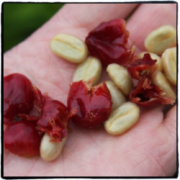
Boutique coffee common sense natural decaf Laurina
There are always some people who can't accept caffeine for various reasons, but like the aroma and taste of coffee. Therefore, in the past, we used manual treatment (such as Swiss water treatment) to remove caffeine from coffee beans as much as possible. The level of artificially processed decaf coffee has been improving, but there will always be people who think that its flavor will be worse than it was before caffeine was removed. Scientists also
2015-01-13 Boutique coffee common sense natural low cause Laurina yes part of it.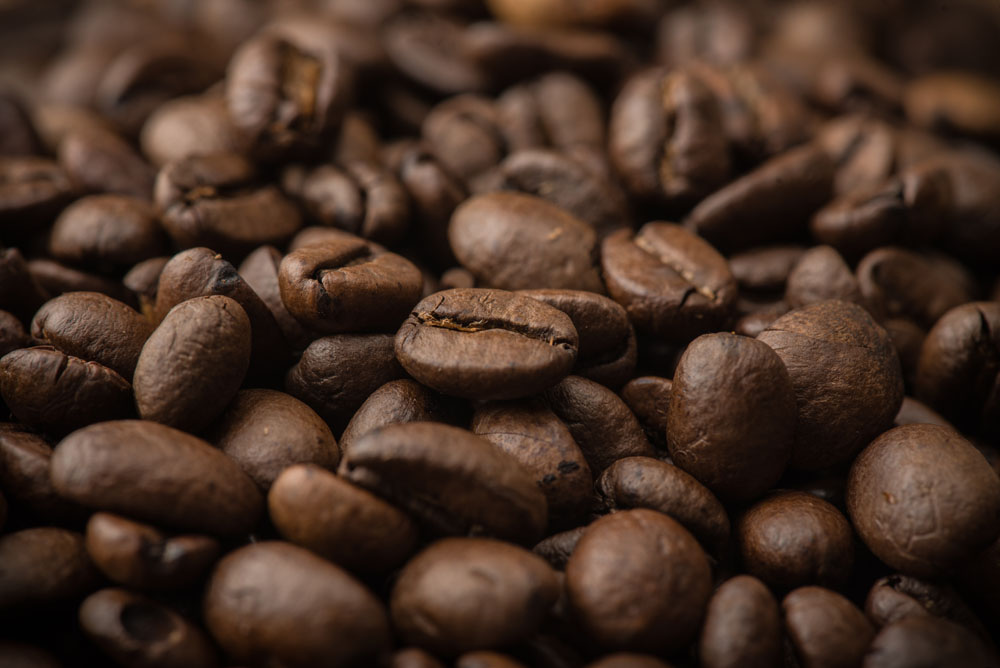
Sweet and mellow Latin American Coffee Variety characteristics introduction of Fine Coffee beans in Manor
Latin America (Latin America) in 1721 French naval officer de Klee (Gabriel Mathieu de Clieu) experienced difficulties and obstacles to bring the first coffee sapling from Africa to the Latin American island of Martinique, which was the origin of coffee cultivation in Latin America. Because at that time, France was under the reign of the Bourbon dynasty, and Elaraby was grown in Latin America.
2016-09-02 Sweet mellow Latin American coffee taste variety characteristics manor boutique
Introduction to the characteristics of Dominican Coffee Flavor and Taste Manor
In December 1492, Christopher Columbus arrived on Hispaniola on his first voyage. On his second voyage there in 1493, Santo Domingo became the capital of the island. [3] thousands of Tainos were demoted to slavery and engaged in gold mining. Due to a series of oppression, hunger and disease, by 1535, the Tino had only 60,000 left. 1501, Spain
2016-08-22 Aroma pure soft Dominica coffee flavor taste manor producing area special
Yunnan small Coffee Iron pickup Coffee Fine Coffee Bean Flavor Taste Manor characteristics of China
According to reports, in 1892, French missionary Father Tian used coffee fruit to breed the first coffee tree outside the church, and then cultivated more coffee trees and planted them around the church. Since then, the village of Zhukula began to grow coffee, and the village has been surrounded by coffee trees ever since. The two oldest elders in the village, Qi Guanghui and Li Fu
2016-08-08 Yunnan small grains coffee pickup boutique coffee beans flavor taste manor producing area
Brazil Santos Coffee Raw Bean Brazil Santos Coffee
Brazilian coffee raw bean Brazil santos coffee green bean although the annual output of Brazilian coffee reaches 30% to 35% of the world, ranking first in the world, none of the Brazilian beans can be called the top coffee. There are coffee trees all over the mountains, distributed in the south of Brazil, but Santos is the only one that can be put on the table; most of the other beans are handled hastily.
2015-09-12 Nishiyama toast coffee raw beans Brazil Santos Coff
Introduction to Brazilian Santos Coffee Raw beans
Although Brazil produces 30 to 35% of the world's coffee annually, ranking first in the world, none of the Brazilian beans can be called the top coffee. The mountains are covered with coffee trees in southern Brazil, but Santos is the only one that can be put on the table; most of the other hastily processed beans are used to make instant coffee and easy-to-open coffee. Growth of Santos coffee
2014-11-11 Coffee knowledge boutique coffee beans Brazil Santos coffee raw beans
Brazil Santos Coffee
Although Brazil produces 30 to 35 percent of the world's coffee annually, ranking first in the world, no Brazilian bean is considered top-class coffee.
2014-06-18 Coffee knowledge Brazilian coffee Coffee green beans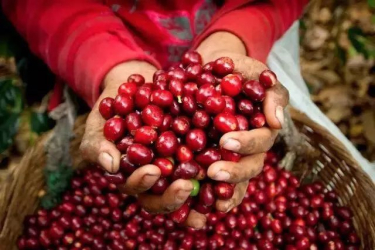
Flavor characteristics and differential description of three varieties of coffee beans introduction to the main producing countries
Comparison of the shape of three common beans 1. Arabica grows Arabica beans, and the world-famous Blue Mountain Coffee and Mocha Coffee are almost all Arabica varieties. Shape: the shape of the bean is small, the front is long oval, the middle crack is narrow and tortuous, and the arc on the back of the bean is flat, uniform in size and shiny in color.
2023-04-16 Coffee beans three types taste characteristics variety producing area flavor description country of production
Cultivating "Coffee Mother Tree" in Holland to achieve Coffee Prosperity
About 16 ⊙○ years ago, the Indian Babudan was infatuated with Middle Eastern coffee and hid seven Yemeni mocha seeds in a hidden bag on his belly to avoid the eyes and ears of Turkish soldiers. After returning to India, he planted coffee beans on Mount Chandragiri Hills in the southwestern state of Kanlataka, outside Babudan's spiritual cave. Due to the climate
2015-04-02 Holland cultivation Coffee Mother Tree Achievement Coffee Prosperity 16 around Indians
Latin American Coffee Bean Characteristics Latin American Coffee Flavors
Latin America In 1721, Gabriel Mathieu de Clieu, a French naval officer, took the first coffee sapling from Africa to Martinique in Latin America. All this is the origin of coffee cultivation in Latin America. Because France was under Bourbon rule at that time, Latin America was planted
2016-08-31 Latin American Coffee Bean Characteristics Coffee Flavor
Arabica Coffee Coffee Arabica
Many people have seen roasted coffee beans, but unless you have lived or traveled to coffee producing areas, you may not know coffee trees. The saplings are short-trimmed, but when they mature, they are 30 feet tall and covered with waxy leaves that grow symmetrically in dark green. The coffee fruit grows along the branches. After the white flowers are in full bloom and pollinated, the fruit takes a year to ripen. Fruiting is a continuous cycle, so flowers
2014-06-30 Arabica coffee beans boutique coffee beans roasted coffee beans
Brazilian Coffee Santos Flavor description treatment characteristic Price Variety taste introduction
Brazilian Coffee beans Brazilian Coffee Santos Flavor description treatment characteristics Price varieties introduce Coffee trees all over the mountains, distributed in southern Brazil, but only "Santos" can be put on the table; most of the other hastily processed beans are used to make instant coffee and canned coffee. Santos Coffee grows in Sao Paulo I.
2016-10-21 Brazil Coffee Mountain toast Flavor description treatment characteristics Price Variety Taste
Latin American coffee introduction to coffee producing areas
Latin America (Latin America) in 1721 French naval officer de Klee (Gabriel Mathieu de Clieu) experienced difficulties and obstacles to bring the first coffee sapling from Africa to the Latin American island of Martinique, which was the origin of coffee cultivation in Latin America. Because at that time, France was under the reign of the Bourbon dynasty, and what was grown in Latin America
2016-06-22 Latin America coffee introduction understanding producing areas
What are the common coffee beans? coffee beans with relatively low acidity are recommended.
Ethiopia-Mocha (special flavor): for the origin of coffee, small particles, dry, turquoise, with a special aroma and sour taste. Ethiopia grades NO.1~NO.8 according to the blending rate of defective beans. Characteristics: fragrant-strong, sweet-medium, acid-medium, alcohol-strong, bitter Java coffee producing area: Java, Indonesia belongs to Arabica coffee. After baking
2016-05-23 Common coffee beans what type taste acidity relative low Ethiopia
Coffee beans Brazilian Santos Coffee Raw beans Brazil Santos Coffee
Although Brazil produces 30 to 35% of the world's coffee annually, ranking first in the world, none of the Brazilian beans can be called the top coffee. The mountains are covered with coffee trees in southern Brazil, but Santos is the only one that can be put on the table; most of the other hastily processed beans are used to make instant coffee and easy-to-open coffee. Growth of Santos coffee
2014-09-05 Coffee beans Brazilian Santos coffee raw beans Brazilian boutique coffee beans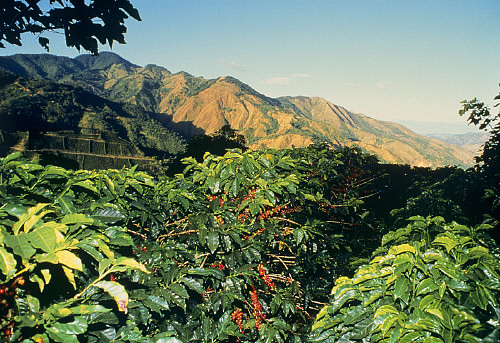
Introduction of boutique coffee producing area in Latin America
Latin America (Latin America) in 1721 French naval officer de Klee (Gabriel Mathieu de Clieu) experienced difficulties and obstacles to bring the first coffee sapling from Africa to the Latin American island of Martinique, which was the origin of coffee cultivation in Latin America. Because at that time, France was under the reign of the Bourbon dynasty, and what was grown in Latin America
2016-07-27 Latin America coffee introduction
Introduction of boutique coffee beans Latin American coffee
Latin America (Latin America) in 1721 French naval officer de Klee (Gabriel Mathieu de Clieu) experienced difficulties and obstacles to bring the first coffee sapling from Africa to the Latin American island of Martinique, which was the origin of coffee cultivation in Latin America. Because at that time, France was under the reign of the Bourbon dynasty, and Elaraby was grown in Latin America.
2015-01-12 Boutique Coffee beans Latin America Coffee introduction Latin A
Latin American coffee beans characteristics Coffee beans import sour Chinese coffee net
Latin America In 1721, Gabriel Mathieu de Clieu, a French naval officer, took the first coffee sapling from Africa to Martinique in Latin America, which is the origin of coffee cultivation in Latin America. Because France was under Bourbon rule at the time, Arabi cultivated in Latin America
2016-04-21 Latin American Coffee Bean Characteristics Inlet Sour Chinese Coffee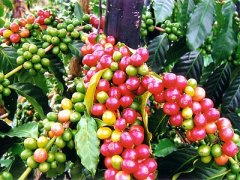
A brief introduction to Yunnan small Coffee the History of Yunnan small Coffee the Origin Cloud of Yunnan small Coffee
In 1892, French missionary Father Tian succeeded in growing coffee in a place called Zhukula in Yunnan. Up to now, there are still 24 coffee trees which are more than 90 years old in Zhukula Township. Zhu Kula is a mysterious, legendary and beautiful natural village, which belongs to the Zhukula Village Committee of Pingchuan Town, Binchuan County, Dali Prefecture. It is located on the banks of the Yubao River, a tributary of the Jinsha River. It is a Dali Prefecture, Chuxiong Prefecture and Lijiang.
2016-03-30 Yunnan small grains Coffee introduction History Origin 1892 France missionaries
Coffee Common sense Latin American (Latin America) Coffee and roasting
In 1721, French naval officer Gabriel Mathieu de Clieu went through difficulties and obstacles to bring the first coffee sapling from Africa to the Latin American island of Martinique, which was the origin of coffee cultivation in Latin America. Because France was under the Bourbon dynasty at that time, there was another time for Arabica coffee grown in Latin America.
2015-01-09 Coffee common sense Latin America Latin America roasting 17