“Father” search results (1695)
Introduction of Guatemalan Fine Coffee Flavor of Guatemalan Coffee
In Guatemala in 1750, Father Jesuit introduced coffee trees to Guatemala (Guatemala), where German colonists developed the coffee industry at the end of the 19th century. Today, most of the coffee industry's production takes place in the south of the country. Coffee production in Guatemala: the slopes of SierraMadre volcano provide ideal conditions for growing high-quality coffee beans.
2016-03-23 Guatemala boutique coffee introduction flavor characteristics dangerous land 17
Is Espresso's coffee dark or light?
No matter how good the performance of the coffee machine is and how superb the skills are, if the coffee beans are of poor quality or Espresso is the most suitable for cooking and drinking, that's why I pay so much attention to beans. In addition, through the acquisition of baking knowledge, we can also deepen our understanding of Espresso. Baking is indeed an esoteric and interesting program. Because of my father's shop
2014-09-02 Coffee knowledge Espresso coffee beans deep roast light roast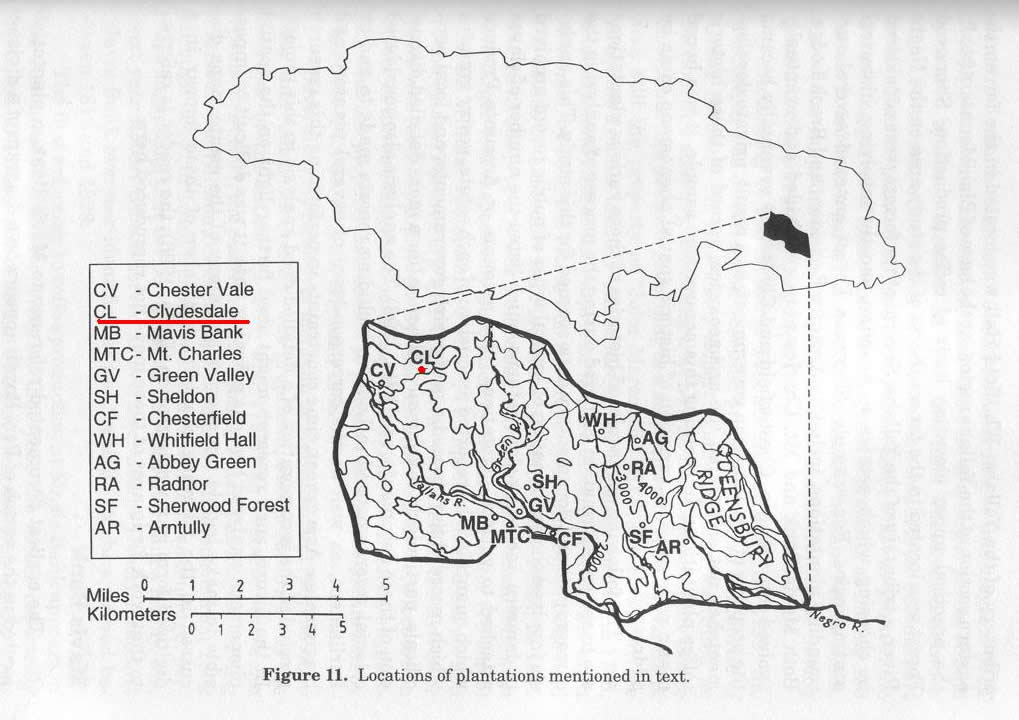
Introduction of the World Fine Coffee Manor: a detailed introduction of the Conastale Farm in Blue Mountain
The Resurrector of Coffee No. 1 in the Blue Mountains of Jamaica, Conastale Conastale Farm, existed from 1801 to 1842. From 1801 to 1825, the first generation farmer was Colin McClarty, and the second generation owner was his son Alexander McClarty. From 1825 to 1842, the management right of the farm was handed over to the third generation farmer Alexander Campbell. 1842
2015-12-17 World boutique coffee manor introduction Blue Mountain Nass Dale Farm detail
Guatemala Antigua Flower Coffee
Coffee was really introduced into Guatemala in 1750 by Father Jesuit, where the coffee industry was developed by German colonists at the end of the 19th century. Today, most of the coffee industry's production takes place in the south of the country. There are seven main coffee producing areas in Guatemala: Antigua, Coban, Atitlan and Huehuet.
2014-08-12 Coffee knowledge Guatemala Antigua coffee
A brief explanation of the birth of coffee beans and the whole process from planting to baking
The first is the coffee tree, the father of coffee beans, which is a horticultural perennial cash crop. Well, I can tell at a glance that it is definitely not an ornamental type. And extremely fastidious about the climate, do not like direct sunshine during the day, and can not be less than 10 degrees Celsius at night. For people who find it difficult to feed even cacti, coffee trees can only look at pictures. Here's the brother of the coffee beans.
2015-11-20 Coffee beans birth planting roasting the whole process simple solution first coffee beans old
Boutique coffee recommends Guatemalan coffee
In 1750, Father Jesuit introduced coffee trees to Guatemala, where the coffee industry was developed by German colonists at the end of the 19th century. Today, most of the coffee industry's production takes place in the south of the country. Coffee production in Guatemala: the slopes of SierraMadre volcano provide ideal conditions for growing high-quality coffee beans at high altitudes.
2014-12-18 Boutique Coffee recommendation Guatemala 1750 Jesu Voight
Run run Shaw Hospital shows its own brand of cafe nurses to make coffee desserts and healthy diet.
Zhejiang online, January 19, the smell of coffee floated into Shaw run run Hospital affiliated to the Medical College of Zhejiang University. Yesterday morning, Shao Yichi Coffee officially opened. It is neither a popular star father, nor a chain coffee shop in South Korea that is very in, but a self-created brand of run run Shaw Hospital. It is opened in the south of the hospital building 4, a fully transparent two-story building, particularly eye-catching. The first day of business
2016-01-19 Run run Shaw run run Hospital Show oneself Brand Cafe Nurse Coffee Sweet
Introduction of Nicaraguan Coffee Manor with excellent growing Environment
Tianyi Manor, located in Dipilto, grows coffee on 10 plots above 1350 meters above sea level. When the current landowner Misael Sauceda Olivera inherited from his father, there were only two plots of land for planting and development, and then he bought the land from his neighbors, which has grown to its present scale. Thanks to the efforts of the landowner Misael Sauceda Olivera, Tianyi Manor has been planted many times.
2016-07-11 Excellence growth Environment Nicaragua Coffee Manor providence introduction Zhuang
Rich volcanic soil, low moisture Guatemalan coffee plantations
Coffee was really introduced into Guatemala in 1750 by Father Jesuit, and the coffee industry was developed by German colonists at the end of the 19th century. Today, most of the coffee industry's production takes place in the south of the country. There are seven major coffee producing areas in Guatemala, and the flavor of the coffee produced in each area is different, but to sum up, the coffee in Guatemala is all
2016-06-24 Rich volcanoes soil moisture Guatemala coffee plantations introductions
Introduction to the flavor and taste of Panamanian Coffee Manor Panamanian Rosa Coffee beans
La Esmeralda Manor was bought by Price Peterson's father, Rudolph A. Peterson, a Swedish banker. He was the president of Bank of America and was a big shot in the financial circle at that time. Rudolph bought Hacienda La Esmeralda only for vacation and later retirement. It should not have been expected that the estate would become world-famous and even become a Panamanian boutique coffee.
2016-07-19 Panama Coffee Manor producing area Flavor palate introduction Emerald Rose Summer
A global coffee producer in Guatemala.
In 1750, Father Jesuit introduced coffee trees to Guatemala, where the coffee industry was developed by German colonists at the end of the 19th century. Today, most of the coffee industry's production takes place in the south of the country. Coffee production in Guatemala: the slopes of SierraMadre volcano provide ideal conditions for growing high-quality coffee beans at high altitudes.
2015-02-16 Global Coffee Origin Guatemala 1750 Jesu Voight
Coffee flavors from different coffee producing areas around the world coffee producing areas in Guatemala
In Guatemala in 1750, Father Jesuit introduced coffee trees to Guatemala (Guatemala), where German colonists developed the coffee industry at the end of the 19th century. Today, most of the coffee industry's production takes place in the south of the country. Coffee production in Guatemala: the slopes of SierraMadre volcano provide ideal conditions for growing high-quality coffee beans.
2015-02-15 Global different coffee origin flavor Guatemala 1750
Guatemalan coffee the characteristics of Guatemalan coffee
In 1750, Father Jesuit introduced coffee trees to Guatemala, where the coffee industry was developed by German colonists at the end of the 19th century. Today, most of the coffee industry's production takes place in the south of the country. Coffee production in Guatemala: the slopes of SierraMadre volcano provide ideal conditions for growing high-quality coffee beans at high altitudes.
2015-03-26 Guatemala coffee specialty 1750 Jesu Voight Jesuit
Fine coffee like Espresso coffee doesn't have to be deep-roasted.
No matter how good the performance of the coffee machine is and how superb the skills are, if the coffee beans are of poor quality or Espresso is the most suitable for cooking and drinking, that's why I pay so much attention to beans. In addition, through the acquisition of baking knowledge, we can also deepen our understanding of Espresso. Baking is indeed an esoteric and interesting program. Because of my father's shop
2014-11-07 Coffee knowledge boutique caffeine Espresso coffee roasting
Nicaraguan Coffee Manor introduces Matagalpa producing area of Tianyi Manor
Madriz is an ecological coffee with a very hard shell. In the pure natural planting environment, it uses more complex operations to maintain the delicate aroma and taste of the coffee; it is produced in northern Nicaragua between Matagalpa and Jinotega, with an average annual rainfall of 1500-1700mm and a temperature of 20-29 degrees Celsius. All use manual selection of coffee.
2016-07-13 Nicaragua Coffee Manor introduction providence Mataga Erpa producing area Mad
Global Coffee producing area Guatemala Coffee Market
In 1750, Father Jesuit introduced coffee trees to Guatemala, where the coffee industry was developed by German colonists at the end of the 19th century. Today, most of the coffee industry's production takes place in the south of the country. Coffee production in Guatemala: the slopes of SierraMadre volcano provide ideal conditions for growing high-quality coffee beans at high altitudes.
2015-08-24 Global Coffee Origin Guatemala Market 1750 Jesu Jet J.
Coffee bean producing countries introduce Guatemalan coffee
In 1750, Father Jesuit introduced coffee trees to Guatemala, where the coffee industry was developed by German colonists at the end of the 19th century. Today, most of the coffee industry's production takes place in the south of the country. Coffee production in Guatemala: the slopes of SierraMadre volcano provide ideal conditions for growing high-quality coffee beans at high altitudes.
2015-05-14 Coffee beans country of production introduction Guatemala Coffee 1750 Jesu ITT
Antigua Coffee, Guatemala
Coffee was introduced to Guatemala in 1750 by Father Jesuit, and German colonists developed the coffee industry in the late 19th century. Today, most of the coffee industry is produced in the south of the country. Guatemala has seven major coffee-producing regions: Antigua, Coban, Lake Atitlan and Huehuetenango
2015-06-01 Guatemala Antique Coffee Real Incoming Yes 17
These 10 coffees in Dongguan were rated as the most growing brands
Wu Sensheng, founder of the nose coffee brand, was very excited to hear that he won the first place. He came to Dongguan with his father when he was in high school. Because I love coffee very much, I opened a coffee shop in Dongguan after graduation. At present, it has grown to four. He even introduced Yunnan coffee trees to Dongguan, aiming to build a coffee industry chain. National Barista Evaluator
2016-08-10 Dongguan ten coffee rated as the most growth brand heard got first
Round taste Nicaragua Los Congo Estate Coffee Flavor Description Grind Features Price Introduction
Providence Manor is located in Dipilto and grows coffee on 10 plots above 1350 meters above sea level. When the current owner Misael Sauceda Olivera inherited from his father, only two plots were planted and developed. Then he acquired the land from the neighbors and increased it to the present scale. Under the efforts of the owner Misael Sauceda Olivera, Providence Manor has entered many times.
2016-10-10 Taste Round Nicaragua Los Angeles Congo Manor Coffee Flavor Description Grind