“Jesuit” search results (647)
Guatemalan coffee the characteristics of Guatemalan coffee
In 1750, Father Jesuit introduced coffee trees to Guatemala, where the coffee industry was developed by German colonists at the end of the 19th century. Today, most of the coffee industry's production takes place in the south of the country. Coffee production in Guatemala: the slopes of SierraMadre volcano provide ideal conditions for growing high-quality coffee beans at high altitudes.
2015-03-26 Guatemala coffee specialty 1750 Jesu Voight Jesuit
What are the five top coffee beans in the world?
The production of coffee in Guatemala began in the mid-18th century, when Father Jesuit introduced coffee trees to Guatemala, and in the late 19th century German colonists developed the local coffee industry. Since then, Guatemala has gradually become one of the most famous high-quality coffee producers in the world. The best coffee is produced around Lake Antitlan (Anditte Blue Lake) in the southwest.
2016-06-06 In the world top coffee beans five kinds Guatemala production coffee began eighteen
Antigua Coffee, Guatemala
Coffee was introduced to Guatemala in 1750 by Father Jesuit, and German colonists grew the coffee industry here at the end of the 19th century. Today, most of the coffee industry is produced in the south of the country. Guatemala has seven major coffee-producing regions: Antigua, Coban, Lake Atitlan and Huehueten
2014-08-21 Coffee knowledge Guatemala coffee Antigua coffee
The flavor of Guatemalan coffee beans Central and South America coffee beans Guatemala
Coffee was really introduced into Guatemala in 1750 by Father Jesuit, where the coffee industry was developed by German colonists at the end of the 19th century. Today, most of the coffee industry's production takes place in the south of the country. There are seven main coffee producing areas in Guatemala: Antigua, Coban, Atitlan and Huehuete.
2016-05-07 Guatemala coffee beans flavor Central and South America coffee real imported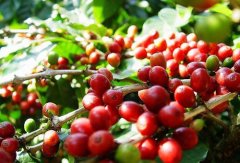
La Tisa Manor, Farahan Plateau, Guatemala
Country: Guatemala Grade: SHB production area: Fraijanes,Guatemala City altitude: 1675 m Harvest time: October to February next year treatment: washing varieties: bourbon, Kaddura processing Plant: Latitha Manor Flavor: black tea, floral, rich caramel coffee was really introduced to Guatemala in 1750, introduced by Father Jesuit at the end of the 19th century
2016-05-10 Guatemala Farah Plateau Ratti Manor country Rank SH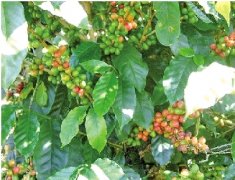
Black tea flowers flavor La Tisa Manor in the Farahan Plateau of Guatemala
Coffee was really introduced into Guatemala in 1750 by Father Jesuit, where the coffee industry was developed by German colonists at the end of the 19th century. Today, most of the coffee industry's production takes place in the south of the country. There are seven main coffee producing areas in Guatemala: Antigua, Coban, Atitlan and Huehuete.
2016-06-22 Black tea flower scent flavor Guatemala Farah plateau Larty manor coffee true
Guatemala Coffee Bean Roast Latitha Manor
Coffee was really introduced into Guatemala in 1750 by Father Jesuit, where the coffee industry was developed by German colonists at the end of the 19th century. Today, most of the coffee industry's production takes place in the south of the country. There are seven main coffee producing areas in Guatemala: Antigua, Coban, Atitlan and Huehuete.
2016-05-03 Guatemala coffee beans roast Larty manor coffee real imported Guatemala horse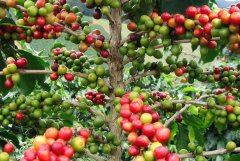
Guatemala boutique coffee beans
The extra-hard coffee beans here are full-grained, delicious and balanced, and the coffee made with them is pure and rich. Guatemala coffee once enjoyed a reputation as the best quality coffee in the world, but its quality also declined for a time. What is gratifying, however, is that its reputation is gradually being restored. In 1750, Father Jesuit introduced coffee trees to Guatemala, at the end of the 19th century.
2016-06-15 Guatemala boutique coffee beans coffee America here very hard particles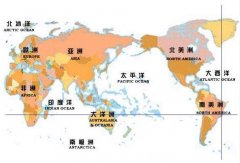
What are the seven coffee producing areas in Guatemala? what is the flavor of fine Guatemalan coffee?
Coffee was really introduced into Guatemala in 1750 by Father Jesuit, where the coffee industry was developed by German colonists at the end of the 19th century. Today, most of the coffee industry's production takes place in the south of the country. There are seven main coffee producing areas in Guatemala: Antigua, Coban, Atitlan and Huehuete.
2016-05-08 Guatemala 7 coffee producing areas respectively what is it boutique flavor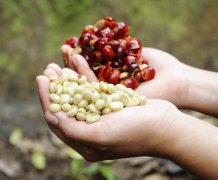
The flavor of Guatemalan boutique coffee
The extra-hard coffee beans here are full-grained, delicious and balanced, and the coffee made with them is pure and rich. Guatemala coffee once enjoyed a reputation as the best quality coffee in the world, but its quality also declined for a time. What is gratifying, however, is that its reputation is gradually being restored. In 1750, Father Jesuit introduced coffee trees to Guatemala, at the end of the 19th century.
2016-05-20 Guatemala boutique coffee flavor here extra hard coffee beans granules full
Guatemala boutique coffee Vivetnam fruit producing area coffee bean boutique coffee origin
Guatemala is a presidential republic in Central America, located in the south of the North American continent. It is bordered by the Pacific Ocean to the west, the Caribbean Sea to the east, Mexico to the north and Honduras and El Salvador to the southeast. Coffee was really introduced into Guatemala in 1750 by Father Jesuit, and the coffee industry was developed by German colonists at the end of the 19th century.
2016-04-15 Guatemala boutique coffee Viv Tenan producing areas coffee beans origin dangerous land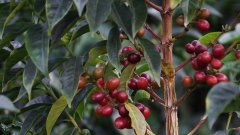
Guatemalan style Ladisha Manor Coffee Bourbon Kaddura High altitude Fine Coffee
Coffee was really introduced into Guatemala in 1750 by Father Jesuit, where the coffee industry was developed by German colonists at the end of the 19th century. Today, most of the coffee industry's production takes place in the south of the country. There are seven main coffee producing areas in Guatemala: Antigua, Coban, Atitlan and Huehuete.
2016-05-21 Guatemala Flavor Ratti Manor Coffee bourbon Kadu Lago altitude Fine
Guatemala Fine Coffee beans at Latisha Manor in the Rahan Plateau
Coffee was really introduced into Guatemala in 1750 by Father Jesuit, where the coffee industry was developed by German colonists at the end of the 19th century. Today, most of the coffee industry's production takes place in the south of the country. There are seven main coffee producing areas in Guatemala: Antigua, Coban, Atitlan and Huehuete.
2016-05-14 Rahan Plateau Ratti Manor Guatemala Fine goods Coffee beans Coffee Real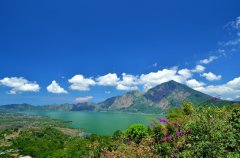
Boutique Coffee at La Tisa Manor in the Farahan Plateau of Guatemala
Coffee was really introduced into Guatemala in 1750 by Father Jesuit, where the coffee industry was developed by German colonists at the end of the 19th century. Today, most of the coffee industry's production takes place in the south of the country. There are seven main coffee producing areas in Guatemala: Antigua, Coban, Atitlan and Huehuete.
2016-05-23 Guatemala Farah plateau Ratti manor boutique coffee real biography
Coffee producing area Manor Guatemala Coffee Manor La Tisa Manor
Coffee was really introduced into Guatemala in 1750 by Father Jesuit, where the coffee industry was developed by German colonists at the end of the 19th century. Today, most of the coffee industry's production takes place in the south of the country. There are seven main coffee producing areas in Guatemala: Antigua, Coban, Atitlan and Huehuete.
2016-06-16 Coffee producing area Manor Guatemala Ratti Real introduced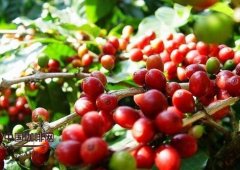
Guatemala extra hard coffee beans are full, delicious and balanced.
The extra-hard coffee beans are full-grained, delicious and balanced, and the coffee made with them is pure and rich. Guatemala coffee once enjoyed a reputation as the best quality coffee in the world, but its quality also declined for a time. What is gratifying, however, is that its reputation is gradually being restored. In 1750, Father Jesuit introduced coffee trees to Guatemala, at the end of the 19th century.
2016-05-18 Guatemala extra hard coffee beans granules plump delicious balanced
Taste of Guatemalan coffee beans methods of Guatemalan coffee beans
The extra-hard coffee beans here are full-grained, delicious and balanced, and the coffee made with them is pure and rich. Guatemala coffee once enjoyed a reputation as the best quality coffee in the world, but its quality also declined for a time. What is gratifying, however, is that its reputation is gradually being restored. In 1750, Father Jesuit introduced coffee trees to Guatemala, at the end of the 19th century.
2016-05-06 Guatemala coffee beans taste practice here very hard granules full
Guatemalan Coffee Incht Manor with low humidity and plenty of sun
Coffee was really introduced into Guatemala in 1750 by Father Jesuit, where the coffee industry was developed by German colonists at the end of the 19th century. Today, most of the coffee industry's production takes place in the south of the country. There are seven main coffee producing areas in Guatemala: Antigua, Coban, Atitlan and Huehuete.
2016-07-01 With humidity sun ample Guatemala coffee Hutt manor true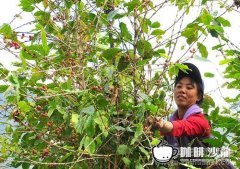
Volcano San Marco coffee cup "cigarette coffee" Guatemala boutique coffee mellow overall texture
Volcano San Marco coffee cup measurement characteristics (VolcanicSanMarcoscupprofile) aroma and taste with subtle floral aroma, obvious acidity and good alcohol thickness. Coffee was really introduced into Guatemala in 1750 by Father Jesuit, where the coffee industry was developed by German colonists at the end of the 19th century. Today, most of the coffee industry's production takes place in the south of the country. Dangerous land
2016-07-01 Volcano San Marco coffee cup cigarette coffee Guatemala boutique coffee thick
The priest introduced the coffee tree to Guatemala
In 750, Father Jesuit introduced coffee trees to Guatemala, where the coffee industry was developed by German colonization at the end of the 19th century. Today, most of the coffee industry's production takes place in the south of the country. Here, the slopes of the Sierra Madre volcano provide ideal conditions for growing high-quality coffee beans and the vitality of coffee growing at high elevations.
2016-05-23 Father Coffee introduction Guatemala 750 Jesu Voight Jesui