“Exocarp” search results (661)

Introduction to the flavor and taste of Rwandan coffee the characteristics of Rwandan coffee beans
Most of the coffee in Rwanda is washed. The water washing method will first wash and flotation the ripe coffee fruit, then remove the exocarp, pulp and part of the pectin layer, then send the coffee into the fermentation tank, remove the remaining pectin layer and then send it to the drying ground for drying treatment, so that the water content reaches about 13%. The coffee in the picture above is placed in an African shed to dry.
2016-08-01 Rwanda coffee flavor taste introduction boutique coffee beans characteristics
Rwanda Coffee Bean Flavor Description Grind Taste Characteristics Estate Introduction
Rwandan coffee is mostly washed. The washing method first washes and floats the ripe coffee fruit, then removes the exocarp, pulp and part of the pectin layer, then sends the coffee to the fermentation tank, ferments the remaining pectin layer and sends it to the drying field for drying treatment, so that the moisture content reaches about 13%. The coffee in the picture above is placed on the African shed for drying
2016-10-19 Rwanda Coffee Bean Flavor Description Grind Taste Characteristics Region Manor Medium
Costa Rica Coffee Manor Goddess Manor Flavor introduction to the Western Valley
After picking, the coffee fruit is actually like a red cherry-shaped fruit. The coffee bean is the coffee core, wrapped by the peel, pulp and endocarp of the coffee fruit. The ripe coffee fruit should be treated immediately after picking to avoid corruption. The raw bean treatment of coffee is the process of removing the exocarp and pulp of coffee and then fermenting the seeds. Generally, it is common on the market at present.
2016-07-14 Costa Rica coffee manor goddess flavor taste introduction west valley
Basic knowledge of coffee during the drying process of picking berries from coffee beans
The coffee beans we are talking about are actually the seeds of a fruit similar to cherries. Coffee trees produce berries, called coffee berries, whose bright red color means they are ripe and ready to be picked. The fruit clustered on the branches. The outer skin (exocarp) of coffee berries is thick and bitter. However, the fruit (mesocarp) inside is very sweet and has the texture of grapes. And then there's parenchyma, which is like
2015-05-15 Coffee beans picking berries treatment drying process coffee basics common sense we
Fine Coffee Science explains the picking of coffee beans in detail
After 3 or 4 years of growth, the coffee tree matures and begins to bear fruit, and one fruit will be arranged in clusters or clusters along the branches. Of course, the coffee beans we see are the seeds of coffee trees. The outside of the seed is a layer of peel, which can be picked as soon as it turns red. Under the red skin (exocarp) there is a layer of pulp (mesocarp), inside is a small thin layer, and then there is a layer of parchment
2014-10-29 Coffee knowledge boutique coffee science coffee bean picking
Analysis on the treatment process of raw coffee beans: picking-berry treatment-drying
The coffee beans we are talking about are actually the seeds of a fruit similar to cherries. Coffee trees produce berries, called coffee berries, whose bright red color means they are ripe and ready to be picked. The fruit clustered on the branches. The outer skin (exocarp) of coffee berries is thick and bitter. However, the fruit (mesocarp) inside is very sweet and has the texture of grapes. And then there's parenchyma, which is like
2015-04-17 Coffee raw beans processing process analysis picking berries drying what we said.
The variety of coffee
The varieties of coffee beans (Coffee Bean) can be divided into three types, namely Arabica (Arabica), Robusta (Robusta) and Lubebica (Liberica)
2014-08-18 Coffee knowledge coffee varieties coffee encyclopedia
Which country is the first to discover which country coffee culture comes from and which country is Colombian?
Coffee origin which country coffee culture Tanzania coffee is mostly washed, mainly with fermented roasting and other coffee farmers will send the coffee fruit to the nearest processing plant for processing. The first step of the washing method is to screen and remove the impurities in the coffee fruit, then remove the pulp and exocarp of the coffee, and send it into the fermentation tank.
2016-05-23 Which country was the first to discover coffee coffee culture from what Colombia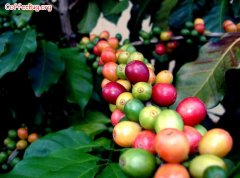
A variety of coffee, Arabica, Karobsta, Lubebeca
Coffee beans (Coffee Bean) can be divided into three types, namely Arabica-coffee contains caffeine of about 1% per cent by weight. Generally speaking, the better quality and more expensive coffee beans come from coffee beans grown by Elaraby. It accounts for 3/4 of the world's output and is of good quality, because the coffee tree itself is sensitive to heat and humidity.
2015-10-26 Coffee variety rabbi Carlo Busta rupee coffee beans
Introduction to the characteristics of High-quality Coffee beans in the Manor area
Most of the coffee in Rwanda is washed. The water washing method will first wash and flotation the ripe coffee fruit, then remove the exocarp, pulp and part of the pectin layer, then send the coffee into the fermentation tank, remove the remaining pectin layer and then send it to the drying ground for drying treatment, so that the water content reaches about 13%. The coffee in the picture above is placed in an African shed to dry.
2016-08-10 Aroma persistence Rwanda coffee flavor taste manor producing area characteristics boutique
The flavor and taste of washed Rwandan coffee the characteristics of the manor producing area introduce the origin of Rwandan coffee.
Most of the coffee in Rwanda is washed. The water washing method will first wash and flotation the ripe coffee fruit, then remove the exocarp, pulp and part of the pectin layer, then send the coffee into the fermentation tank, remove the remaining pectin layer and then send it to the drying ground for drying treatment, so that the water content reaches about 13%. The coffee in the picture above is placed in an African shed to dry.
2016-08-04 Washing treatment Rwanda coffee flavor taste manor producing area characteristics introduction
Introduction to the characteristics of Rwanda boutique coffee beans with long-lasting aroma and taste of manor
Most of the coffee in Rwanda is washed. The water washing method will first wash and flotation the ripe coffee fruit, then remove the exocarp, pulp and part of the pectin layer, then send the coffee into the fermentation tank, remove the remaining pectin layer and then send it to the drying ground for drying treatment, so that the water content reaches about 13%. The coffee in the picture above is placed in an African shed to dry.
2016-08-05 Aroma persistent Rwanda boutique coffee beans flavor taste manor producing area special
Introduction to the characteristics of varieties in the producing area of Tanzania Coffee Flavor description treatment in Acid sense Convergence
Tanzanian coffee is mostly washed. After picking, coffee farmers will send the coffee fruit to the nearest processing plant for processing. The treatment step of the water washing method is to screen and remove the impurities in the coffee fruit, then remove the coffee pulp and exocarp, send it into the fermentation tank, and remove the pectin layer from the inner pericarp by fermentation. Clean
2016-10-08 Acidity Convergence medium Tanzania Coffee Flavor description processing producing area Product
Honey-treated Nicaraguan Coffee Lemon Tree Manor Coffee Flavor and taste Manor
Lemon Tree Manor also processes coffee in a honey-treated way. After the coffee fruit is actually picked, the coffee with its exocarp removed is put on the African shed to dry. Compared with the traditional way of placing coffee directly on the ground to dry coffee, using African shed to dry coffee can reduce more pollution in the drying process, avoid producing more miscellaneous smell, and finally improve the quality of coffee.
2016-07-18 Processing Nicaragua coffee lemon tree manor flavor taste producing area introduction
The method of dealing with high-quality coffee beans
There are a pair of oval seeds in the center of the fruit of the coffee tree, which are covered with exocarp, endocarp and pulp. Ripe fruit will rot in a short period of time without treatment, so the purpose of refining is to enable coffee beans to be preserved for a long time, easy to store and circulate.
2014-07-09 Coffee knowledge coffee bean processing coffee encyclopedia
Tanzania Coffee Flavor Taste Manor characteristics of Arusha Coffee Manor
Tanzanian coffee is mostly washed. After picking, coffee farmers will send the coffee fruit to the nearest processing plant for processing. The treatment step of the water washing method is to screen and remove the impurities in the coffee fruit, then remove the coffee pulp and exocarp, send it into the fermentation tank, and remove the pectin layer from the inner pericarp by fermentation. Clean
2016-08-06
Introduction to the characteristics of Kilimanjaro Coffee from Tanzania Coffee
Tanzanian coffee is mostly washed. After picking, coffee farmers will send the coffee fruit to the nearest processing plant for processing. The treatment step of the water washing method is to screen and remove the impurities in the coffee fruit, then remove the coffee pulp and exocarp, send it into the fermentation tank, and remove the pectin layer from the inner pericarp by fermentation. Clean
2016-08-05 Flavor excellent Tanzania coffee taste manor producing area characteristics introduction begging
Sour, sweet and bitter coffee manor in Tanzania flavor and taste characteristics boutique coffee bean technology begging
Tanzanian coffee is mostly washed. After picking, coffee farmers will send the coffee fruit to the nearest processing plant for processing. The treatment step of the water washing method is to screen and remove the impurities in the coffee fruit, then remove the coffee pulp and exocarp, send it into the fermentation tank, and remove the pectin layer from the inner pericarp by fermentation. Clean
2016-08-15 Bitter Tanzania coffee manor producing area flavor taste characteristics boutique
Introduction to the flavor and taste producing area of Arusha Coffee Manor with pure and fragrant flavor
Tanzania coffee is mostly washed. After picking, coffee farmers will send the coffee fruit to the nearest processing plant for processing. The treatment step of the water washing method is to screen and remove the impurities in the coffee fruit, then remove the coffee pulp and exocarp, and send it into the fermentation tank to remove the pectin layer on the inner pericarp by fermentation.
2016-09-13 Flavor pure aromatic overflowing Arusha coffee manor taste producing area characteristics
Introduction to the flavor and taste of high-quality coffee beans in Rwanda coffee producing areas
Most of the coffee in Rwanda is washed. The water washing method will first wash and flotation the ripe coffee fruit, then remove the exocarp, pulp and part of the pectin layer, then send the coffee into the fermentation tank, remove the remaining pectin layer and then send it to the drying ground for drying treatment, so that the water content reaches about 13%. The coffee in the picture above is placed in an African shed to dry.
2016-09-20 Rwanda coffee varieties producing areas characteristics boutique coffee beans flavor taste introduction