“Exocarp” search results (661)
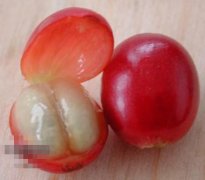
Basic knowledge of fine coffee knowledge of coffee fruit
The fruit is a berry, also known as comb fruit. Oval, 9-14 mm long, young fruit green, red at maturity, purplish red. Each fruit generally has two seeds, but also one or three, showing a semi-oval, there is a longitudinal groove, called grooves. The structure of a fruit in which the exocarp consists of a thin layer of hardwood human cells with stomata; the mesocarp (that is, pulp) is large and Lignified by several layers of polygons.
2015-03-27 Boutique coffee basics common sense knowledge fruit berries also known as combs oval
The quality of Tanzanian coffee is of the best grindability, taste and flavor description, roasting degree record manor.
Tanzanian coffee is mostly washed. After picking, coffee farmers will send the coffee fruit to the nearest processing plant for processing. The treatment step of the water washing method is to screen and remove the impurities in the coffee fruit, then remove the coffee pulp and exocarp, send it into the fermentation tank, and remove the pectin layer from the inner pericarp by fermentation. Clean
2016-10-07 Quality all good Tanzania coffee grinding taste flavor description baking
Introduction to the flavor and taste of Coffee Manor in Rwanda by washing method
Most of the coffee in Rwanda is washed. The water washing method will first wash and flotation the ripe coffee fruit, then remove the exocarp, pulp and part of the pectin layer, then send the coffee into the fermentation tank, remove the remaining pectin layer and then send it to the drying ground for drying treatment, so that the water content reaches about 13%. The coffee in the picture above is placed in an African shed to dry.
2016-08-01 Washing treatment Rwanda Coffee Manor producing area Flavor Taste introduction Mayer
The harvest of coffee beans
After 3 or 4 years of growth, the coffee tree matures and begins to bear fruit, and one fruit will be arranged in clusters or clusters along the branches. Of course, the coffee beans we see are the seeds of coffee trees. The outside of the seed is a layer of peel, which can be picked as soon as it turns red. Under the red skin (exocarp) there is a layer of pulp (mesocarp), inside is a small thin layer, and then there is a layer of parchment
2014-08-08 Coffee knowledge coffee bean picking coffee encyclopedia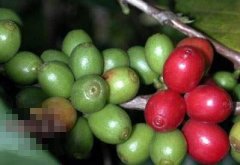
The treatment of coffee fruit
The harvest time of coffee fruit produced in different countries and regions is different, usually when the coffee fruit is bright red when the flower thickness is about 7 to 8 months, which is called "coffee cherry" (coffee cherries). The definition of treatment refers to the removal of the exocarp, endocarp, silver skin of coffee cherry. Wait for five parts, and finally get the coffee beans.
2014-06-18 Coffee knowledge coffee fruit coffee processing coffee encyclopedia
Learn about coffee berry picking-berry treatment-drying
Coffee berry picking-berry treatment-drying what we call coffee beans are actually the seeds of a cherry-like fruit. Coffee trees produce berries, called coffee berries, whose bright red color means they are ripe and ready to be picked. The fruit clustered on the branches. The outer skin (exocarp) of coffee berries is thick and bitter. However, the fruit (mesocarp) inside is sweet and has the texture of grapes.
2014-09-11 Coffee berries coffee knowledge coffee encyclopedia
Coffee bean treatment process: picking-berry treatment-drying
The coffee beans we are talking about are actually the seeds of a fruit similar to cherries. Coffee trees produce berries, called coffee berries, whose bright red color means they are ripe and ready to be picked. The fruit clustered on the branches. The outer skin (exocarp) of coffee berries is thick and bitter. However, the fruit (mesocarp) inside is very sweet and has the texture of grapes. And then there's parenchyma, which is like
2014-09-01 Coffee knowledge coffee bean treatment process berry treatment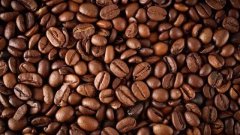
The picking of coffee beans coffee beans are the seeds of coffee trees.
Coffee beans are the seeds of coffee trees. After three or four years of growth, the coffee tree matures and begins to bear fruit, with one fruit arranged in clusters or clusters along the branches. The outside of the seed is a layer of peel, which can be picked as soon as it turns red. Under the red skin (exocarp) there is a layer of pulp (mesocarp), which is a small thin layer, and then a layer of material endocarp like parchment. In
2015-11-04 Coffee beans picking coffee tree knot coffee bean after the new year raw
Nicaraguan Lemon Tree Coffee Manor introduces Central American Coffee producing countries
Lemon Tree Manor also processes coffee in a honey-treated way. After the coffee fruit is actually picked, the coffee with its exocarp removed is put on the African shed to dry. Compared with the traditional way of placing coffee directly on the ground to dry coffee, using African shed to dry coffee can reduce more pollution in the drying process, avoid producing more miscellaneous smell, and finally improve the quality of coffee.
2016-07-12 Nicaragua lemon tree coffee manor introduction Central America Central producing country lemon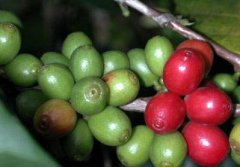
Coffee bean coffee berry picking-berry treatment-drying
The coffee beans we are talking about are actually the seeds of a fruit similar to cherries. Coffee trees produce berries, called coffee berries, whose bright red color means they are ripe and ready to be picked. The fruit clustered on the branches. The outer skin (exocarp) of coffee berries is thick and bitter. However, the fruit (mesocarp) inside is very sweet and has the texture of grapes. And then there's parenchyma, which is like
2015-06-06 Coffee beans coffee berries picking processing drying we say coffee beans real
Introduction of bourbon species of coffee beans washed by Kilimanjaro, Tanzania
Tanzanian coffee is mostly washed. After picking, coffee farmers will send the coffee fruit to the nearest processing plant for processing. The treatment step of the water washing method is to screen and remove the impurities in the coffee fruit, then remove the coffee pulp and exocarp, send it into the fermentation tank, and remove the pectin layer from the inner pericarp by fermentation. Clean
2016-07-02 Tanzania Kili Mazar Luo washing washing treatment coffee beans introduction bourbon
Excellent water washing bourbon Rwanda coffee beans water washing treatment
Most of the coffee in Rwanda is washed. The water washing method will first wash and flotation the ripe coffee fruit, then remove the exocarp, pulp and part of the pectin layer, then send the coffee into the fermentation tank, remove the remaining pectin layer and then send it to the drying ground for drying treatment, so that the water content reaches about 13%. The coffee in the picture above is placed in an African shed to dry.
2016-06-20 Gourmet washing bourbon Rwanda coffee beans processing coffee mostly
Kilimanjaro Coffee roasting degree Fine Coffee Flavor taste description Manor introduction
Tanzanian coffee is mostly washed. After picking, coffee farmers will send the coffee fruit to the nearest processing plant for processing. The treatment step of the water washing method is to screen and remove the impurities in the coffee fruit, then remove the coffee pulp and exocarp, send it into the fermentation tank, and remove the pectin layer from the inner pericarp by fermentation. Clean
2016-09-24 Kili Mazar Luo coffee coffee roasting degree producing area boutique flavor taste
Introduction to Los Congo Manor in Nicaragua Coffee Manor
Lemon Tree Manor also processes coffee in a honey-treated way. After the coffee fruit is actually picked, the coffee with its exocarp removed is put on the African shed to dry. Compared with the traditional way of placing coffee directly on the ground to dry coffee, using African shed to dry coffee can reduce more pollution in the drying process, avoid producing more miscellaneous smell, and finally improve the quality of coffee.
2016-08-01 Nicaragua Coffee Manor producing area Flavor Taste introduction Los Congo Lime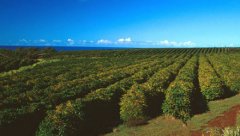
Common sense of Coffee Tree planting
After 3 or 4 years of growth, the coffee tree matures and begins to bear fruit, and one fruit will be arranged in clusters or clusters along the branches. Of course, the coffee beans we see are the seeds of coffee trees. The outside of the seed is a layer of peel, which can be picked as soon as it turns red. Under the red skin (exocarp) there is a layer of pulp (mesocarp), inside is a small thin layer, and then there is a layer of parchment
2015-01-19 Coffee beans picking coffee planting common sense after years growth day by day
High-quality coffee bean treatment: picking-berry treatment-drying
The coffee beans we are talking about are actually the seeds of a fruit similar to cherries. Coffee trees produce berries, called coffee berries, whose bright red color means they are ripe and ready to be picked. The fruit clustered on the branches. The outer skin (exocarp) of coffee berries is thick and bitter. However, the fruit (mesocarp) inside is very sweet and has the texture of grapes. And then there's parenchyma, which is like
2014-10-15 Coffee knowledge boutique coffee beans coffee bean treatment drying
Is cat shit and elephant shit coffee really delicious? What's the difference in taste?
I'm afraid many people are no stranger to coffee, but do you know Kopi Luwak and shit-like coffee? What are their peculiarities? What's the difference in taste? Kopi Luwak refers to the raw coffee beans that the civet eats the fresh coffee beans and digests the peel and flesh of the coffee berries through the intestines. Freshly picked coffee beans include exocarp and pulp from the outside to the inside.
2015-10-22 Cat shit like shit coffee really tastes good what's different for
The fruit picking process of coffee beans-berry treatment-drying
The coffee beans we are talking about are actually the seeds of a fruit similar to cherries. Coffee trees produce berries, called coffee berries, whose bright red color means they are ripe and ready to be picked. The fruit clustered on the branches. The outer skin (exocarp) of coffee berries is thick and bitter. However, the fruit (mesocarp) inside is very sweet and has the texture of grapes. And then there's parenchyma, which is like
2015-03-20 Coffee beans fruit picking process berries treatment drying we say coffee
Coffee bean treatment process coffee bean picking-berry treatment-drying
The coffee beans we are talking about are actually the seeds of a fruit similar to cherries. Coffee trees produce berries, called coffee berries, whose bright red color means they are ripe and ready to be picked. The fruit clustered on the branches. The outer skin (exocarp) of coffee berries is thick and bitter. However, the fruit (mesocarp) inside is very sweet and has the texture of grapes. And then there's parenchyma, which is like
2014-12-19 Coffee beans processing process picking berries drying we say coffee beans real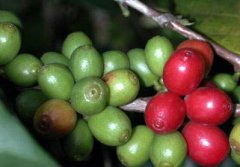
The processing process of coffee berries picking-berry treatment-drying
The coffee beans we are talking about are actually the seeds of a fruit similar to cherries. Coffee trees produce berries, called coffee berries, whose bright red color means they are ripe and ready to be picked. The fruit clustered on the branches. The outer skin (exocarp) of coffee berries is thick and bitter. However, the fruit (mesocarp) inside is very sweet and has the texture of grapes. And then there's parenchyma, which is like
2015-09-15 Coffee berries processing process picking drying we talking about coffee beans are really