“Egyptian” search results (117)

Detailed Analysis of four cultivation Systems of Coffee in Ethiopia
Forest coffee (Forest Coffee): wild coffee, which accounts for 10% of Ethiopia's national output, is distributed in the wild coffee forest areas of the west and southwest, also known as the Kafa forest. The dense trees here provide the most natural shade for coffee trees and do not need manual care. Mother Earth is in charge of birth, aging, sickness and death, and coffee farmers can go directly to the woodland to harvest. Hansen
2015-02-12 Ethiopia Coffee four cultivation system detail Analysis Forest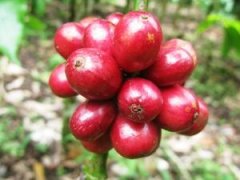
Detailed Analysis of four cultivation Systems of Coffee in Ethiopia
Forest coffee (Forest Coffee): wild coffee, which accounts for 10% of Ethiopia's national output, is distributed in the wild coffee forest areas of the west and southwest, also known as the Kafa forest. The dense trees here provide the most natural shade for coffee trees and do not need manual care. Mother Earth is in charge of birth, aging, sickness and death, and coffee farmers can go directly to the woodland to harvest. Hansen
2015-10-22 Ethiopia Coffee four cultivation system detail Analysis Forest
Uganda coffee beans with a unique flavor
Mbale on Mount Elgon to the east and other producing areas near the border with the Democratic Republic of the Congo to the west are known as Wugar. Officially listed grades are Oaganic (organic), Bugisu AA, Bugisu A, Bugisu B, Bugisu PB, Wugar, Drugar and others not listed. To find a good Ugandan coffee, you must first identify Bugisu AA, A
2016-06-20 have taste fragrant unique flavor Uganda coffee beans presentation east side Egyptian
Detailed Analysis of four cultivation Systems in Coffee producing areas of Ethiopia
Forest coffee (Forest Coffee): wild coffee, which accounts for 10% of Ethiopia's national output, is distributed in the wild coffee forest areas of the west and southwest, also known as the Kafa forest. The dense trees here provide the most natural shade for coffee trees and do not need manual care. Mother Earth is in charge of birth, aging, sickness and death, and coffee farmers can go directly to the woodland to harvest. Hansen
2015-12-25 About Ethiopia coffee producing areas four cultivation system detailed analysis
A popular single-item coffee, charcoal-roasted coffee and floral coffee in the Yega Sheffei region of Ethiopia.
Yega Xuefei is a small town with an elevation of 1200 to 2100 meters, which is also synonymous with Ethiopian boutique beans. Since ancient times, it has been a wetland, the ancient saying Yega means to settle down, and Sheffield means wetlands, so Yega Xuefei means to let us settle down in this wetland. Strictly speaking, Yega Xuefei is a by-product area of Sidamo. The town is located in the northwest of Sidamo, by the mountain.
2016-04-20 Ethiopia coffee Yega Sheffield producing areas popular individual products charcoal roast flower fragrance
Four major cultivation systems of Ethiopian coffee analyze in detail how Ethiopian coffee is cultivated.
Forest coffee (Forest Coffee): wild coffee, which accounts for 10% of Ethiopia's national output, is distributed in the wild coffee forest areas of the west and southwest, also known as the Kafa forest. The dense trees here provide the most natural shade for coffee trees and do not need manual care. Mother Earth is in charge of birth, aging, sickness and death, and coffee farmers can go directly to the woodland to harvest. Hansen
2016-03-16 Ethiopia coffee big four cultivation system detailed analysis how forest
History of coffee beans Honduran coffee
There is no way to examine the source of coffee. One of the many legends refers to the highlands of Cafa province in southwestern Ethiopia. It is said that a shepherd became very excited and lively when he discovered that the sheep had eaten a plant more than a thousand years ago, so he discovered coffee. It is also said that a coffee forest was destroyed by a wildfire, and the smell of barbecue coffee attracted the attention of the surrounding residents.
2016-06-05 Coffee beans History Honduras Coffee Source No way check many
Detailed analysis of forest and semi-forest system of four major cultivation systems of Ethiopian coffee
Forest coffee (Forest Coffee): wild coffee, which accounts for 10% of Ethiopia's national output, is distributed in the wild coffee forest areas of the west and southwest, also known as the Kafa forest. The dense trees here provide the most natural shade for coffee trees and do not need manual care. Mother Earth is in charge of birth, aging, sickness and death, and coffee farmers can go directly to the woodland to harvest. Hansen
2015-04-01 Ethiopia Coffee Big four cultivation system detail Analysis Forest
History and Roasting Degree of Coffee Can Robasta Be Deep Roasted?
The origin of the coffee is unknown. One of the legends refers to coffee's origin in the plateau of Kafa Province in southwestern Ethiopia. It is said that a shepherd discovered coffee more than a thousand years ago after he discovered that sheep became very excited and lively after eating a plant. There is also talk that a wildfire destroyed a coffee grove, and the aroma of barbecue coffee caught the attention of nearby residents
2016-06-08 coffee history roast degree robas bath depth origin no
The Historical Origin of Coffee
Only those who know how to appreciate coffee will know how to taste coffee. Just like those who love life, they will know how to cherish the happiness at present. Because happiness is the calendar of vicissitudes of life
2016-06-02 Coffee History Origin
The History of Coffee which country started drinking coffee
Coffee trees are native to the highlands of southwestern Ethiopia in Africa. It is said that more than a thousand years ago, a shepherd found that the sheep had eaten a kind of plant, became very excited and lively, and then discovered coffee. It is also said that a coffee forest was accidentally destroyed by a wildfire, and the smell of barbecue coffee attracted the attention of surrounding residents. The local aborigines often grind the fruit of the coffee tree and then grind it
2016-06-08 Coffee History that country start drink Tree original produced in Africa
Detailed Analysis of four cultivation Systems of Ethiopian Fine Coffee
According to the following four different modes of production, Ethiopian coffee can be divided into nine major coffee producing areas, including five boutique coffee areas: Sidamo, Yegashefi, Harald, Lim and Lekampidi, and four general commercial bean producing areas: Gemma, Irugbagbo, Tibby and Bekaa. The sun or water washing methods are used in each district, and different treatment methods also affect the flavor.
2015-11-27 Ethiopia boutique coffee big four cultivation system detail analysis
Introduction of raw and ripe beans in the process of coffee bean germination, growth and baking
According to an Arab legend, around 1250, the exiled chief Omar discovered exuberant wild coffee berries. The hungry and tired sheikh boiled some of the fruit in water and drank the brewed coffee pulp. He liked the change in his diet very much and gave the drink to some people who had just recovered from a serious illness. Chief Omar.
2016-10-17 Coffee beans sprouting processing growth baking process raw and ripe introduction
Coffee cooked beans Costa Rica Tara beads how to drink flavor and taste of varieties
Costa Rican coffee trees are native to the highlands of southwestern Ethiopia in Africa. It is said that more than a thousand years ago, a shepherd found that the sheep had eaten a kind of plant, became very excited and lively, and then discovered coffee. It is also said that a coffee forest was accidentally destroyed by a wildfire, and the smell of barbecue coffee attracted the attention of surrounding residents. The local aborigines often put coffee trees
2016-10-20 Coffee cooked beans Costa Rica Tara how flavor taste variety
Home-baked boutique coffee (5) Harald, Ethiopia
Ethiopia, as the hometown of coffee, plays an important role in the field of coffee in the world because of its superior natural conditions and long history of coffee production and drinking. Coffee was first discovered 1500 years ago in the Kafa region of southern Ethiopia. Up to now, there are still a large number of wild primitive coffee trees in the country, and many farmers have coffee trees in their courtyards.
2014-09-12 Coffee knowledge coffee roasting boutique coffee roasting Hala
When did coffee become popular?
The cultivation and production of coffee in the 17th century was monopolized by Arabs. It was used mainly in medicine and religion, doctors and monks recognized coffee as refreshing, refreshing, invigorating, strengthening, hemostatic, etc.; the use of coffee began to be documented in the early 15th century, and it was incorporated into religious ceremonies during this period, as well as appearing in folk as a daily drink. Islam
2016-08-01 coffee beans origin coffee when popular rise 17th century species
Jasmine-scented Yejassefi Coffee Manor: an introduction to the flavor and taste of Cochel Manor
Most coffee beans are washed with water, but a few peas are deliberately sunburned to enhance their charming fruit aroma and mellow thickness. These mountain villages are foggy, like spring all year round, with a gentle breeze in summer, cool but not hot, rain but not damp, and no cold damage in winter, giving birth to a unique regional flavor of citrus and flowers. Most of the F trees are planted in farmers' backyards or in other fields.
2016-08-06 Jasmine fragrant Yega Sheffield Coffee Manor producing area Flavor palate characteristics
History of Coffee Culture on the Source of Coffee
The history of coffee can be traced back to the tenth century AD, but those are unverifiable history. For example, the widely spread story of shepherds, the story of monks across the desert and so on. What is really well documented is the spread time of coffee beans, that is, from Africa to Europe and the whole world, probably around the 16th-17th century AD, which is known to be a great voyage.
2014-09-05
Introduction to the characteristics and taste of the varieties produced by the method of grinding degree of Ye Jia Xuefei Adoto coffee
In February 1977, Lieutenant Colonel Mengistu Haier Maryam (MENGISTU HAILE MARIAM) launched a military coup and served as Chairman of the interim military Administrative Council and head of State. In 1979, the Ethiopian Labor people's Party Organization Committee, dominated by soldiers, was established to implement an one-party system. In 1984, the Ethiopian Workers' Party was formed according to the Soviet Communist Party model. Mengistu, September 1987
2016-10-13 Yega Shirley Duoduo Coffee Grinding processing Variety producing area characteristics Taste
Yega Chefevoca Coffee Flavor description, Grinding characteristics, introduction to Fine Coffee beans
In December 1994, the Constitution of the Federal Democratic Republic of Ethiopia was formulated. According to the Constitution, Ethiopia will implement a federal system and a parliamentary cabinet system after the general election for a term of five years. After the national election in May 1995, the Federal Democratic Republic of Ethiopia was established on August 22, and Meles became prime minister in her capacity as chairman of the majority party of the people's House of Representatives. On May 14, 2000, Ethiopia held a national meeting
2016-10-12 Yega Sheffield Wauka Coffee Flavor description Grinding characteristics Fine goods Coffee beans