“Cup Testing” search results (700)

Tips for selecting defective beans in coffee
First pick out, then pick out the glossy dead beans, fermented beans and immature beans, and finally eliminate shell beans and worm-eaten beans with different shapes.
2014-06-05 Tips for choosing coffee beans
Tips for selecting defective beans in coffee
In the selection of defective beans, the most difficult to judge are fermented beans and unripe beans.
2014-07-23 Coffee knowledge defective beans coffee bean selection skills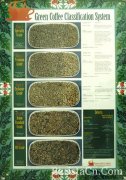
Classification of raw coffee beans
Level 1: special product defects: 0-5 do not allow to contain obvious defects total sample weight: 300 grams sample size difference: less than 5% 5% or so, or within the specified range of appreciation features: must be at least a little outstanding in the following characteristics: taste, sour taste, taste, aroma. The characteristics will be determined by both the buyer and the seller. After cup testing and appreciation, there are no defects. Baking difference
2014-08-04 Coffee knowledge coffee raw beans coffee classification
Knowledge of fine coffee, how to classify raw coffee beans
Level 1: special product defects: 0-5 do not allow to contain obvious defects total sample weight: 300 grams sample size difference: less than 5% 5% or so, or within the specified range of appreciation features: must be at least a little outstanding in the following characteristics: taste, sour taste, taste, aroma. The characteristics will be determined by both the buyer and the seller. After cup testing and appreciation, there are no defects. Baking difference
2014-09-03 Coffee knowledge coffee bean classification
American Specialty Coffee Association Green Coffee Bean Classification Description
Grade 1: Excellent grade Defects: 0-5 No visible defects allowed Total weight of sample: 300 g Sample size variation: less than 5%, about 5%, or within the specified range Appreciation characteristics: Must be outstanding in at least one of the following characteristics: taste, acidity, taste, aroma. The characteristics will be determined jointly by the buyer and seller. After cup testing, there are no defects. baking error
2014-11-12 Coffee knowledge Coffee association Green coffee beans
Basic knowledge of Fine Coffee basic knowledge Why Coffee should be tasted and tested
Tasting cup (Cupping or Cup Testing)! This name believes that coffee lovers will more or less complain that what kind of coffee they need can be divided into three categories: coffee bars or bartenders for coffee products such as raw beans, roasters for roasted coffee, and bar players for coffee brewing. Do most people want a cup of tea, but they also need it, because when I drink a cup of coffee,
2014-12-26 Boutique coffee introduction basics common sense why tasting cup testing tasting cup Cu
American Special Coffee Association Coffee Raw Bean Classification description
Level 1: special product defects: 0-5 do not allow to contain obvious defects total sample weight: 300 grams sample size difference: less than 5% 5% or so, or within the specified range of appreciation features: must be at least a little outstanding in the following characteristics: taste, sour taste, taste, aroma. The characteristics will be determined by both the buyer and the seller. After cup testing and appreciation, there are no defects. Baking difference
2015-09-23 American Special Coffee Association Raw Bean Classification description Grade 1 defects
What do you need to prepare for the cup test of SCAA?
According to the SCAA standard, the cup test baked beans should be medium baked (see SCAA Baking Swatch 55), the cup test sample baking time should be between 8-12 minutes, can not be scorched, or there is a focus. Cool quickly after baking and keep airtight in a cool place. Place for at least 8 hours after baking, but cup testing must be carried out within 24 hours after baking. In other words, bake the beans at 12:00 and test the cup.
2015-10-20 About SCAA cup test need preparation what?
Classification of raw coffee beans by the American Special Coffee Association
Level 1: special product defects: 0-5 do not allow to contain obvious defects total sample weight: 300 grams sample size difference: less than 5% 5% or so, or within the specified range of appreciation features: must be at least a little outstanding in the following characteristics: taste, sour taste, taste, aroma. The characteristics will be determined by both the buyer and the seller. After cup testing and appreciation, there are no defects. Baking difference
2015-06-04 United States Special Coffee Association Coffee beans Classification description Grade 1 defects
On the cup test of SCAA the process significance of coffee cup test
According to the SCAA standard, the cup test baked beans should be medium baked (see SCAA Baking Swatch 55), the cup test sample baking time should be between 8-12 minutes, can not be scorched, or there is a focus. Cool quickly after baking and keep airtight in a cool place. Place for at least 8 hours after baking, but cup testing must be carried out within 24 hours after baking. In other words, bake the beans at 12:00 and test the cup.
2015-03-14 About SCAA cup test coffee cup process meaning
Why should coffee be tasted and tested?
Tasting cup test (Cupping or Cup Testing)! I believe that people who love coffee will have heard of it.
2014-06-11 Coffee knowledge coffee cup test coffee encyclopedia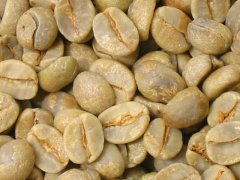
Explanation on how to classify high-quality coffee and raw beans
Level 1: special product defects: 0-5 do not allow to contain obvious defects total sample weight: 300 grams sample size difference: less than 5% 5% or so, or within the specified range of appreciation features: must be at least a little outstanding in the following characteristics: taste, sour taste, taste, aroma. The characteristics will be determined by both the buyer and the seller. After cup testing and appreciation, there are no defects. Baking difference
2014-09-10 Coffee knowledge coffee bean grading coffee raw beans
SCAA Bakery Master level I Certification course
SCAA Coffee roaster Class I Certification course Klima Coffee Lab (Guangzhou) SCAA Baker level I Certification course will be held at Guangzhou Klima Coffee Laboratory (Guangzhou Coffee Salon training Center) from February 22 to 26, 2014. This course focuses on the teaching and testing of the basic skills of roasters, and is aimed at lovers and practitioners who have a basic knowledge of coffee.
2014-04-27 SCAA Baking Master Tier 1 Certification course Coffee
February 28, Guangzhou Xiangji Coffee Cup Test experience
The first coffee cup testing competition in China will be held at the Shanghai International Hotel supplies Fair from March 31 to April 3, 2014. To this end, Guangzhou Xiangji held a cup test experience activity in advance on February 28, 2014 to learn the rules and notes of the cup test with you. The event was conducted by Liu ran, a teacher from Shanghai Xiangji Coffee College and Wi, an international coffee quality appraiser from Hong Kong Xiangji Q-Grader.
2014-04-27 February 28th Guangzhou Xiangji coffee cup experience event China first session coffee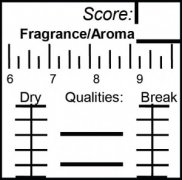
How to use SCAA coffee cup meter Coffee Cupping
Coffee Cupping, which is translated into Chinese for coffee cup test, cup taste or cup evaluation, is a very magical and simple method of coffee sensory evaluation. The quality of coffee is judged by the sense of taste, which is called coffee cup test. The person who evaluates it is called a coffee quality appraiser. Similar to wine tasting, when testing a cup, make the coffee flow back and forth in your mouth and make full use of your sense of taste and smell to feel the coffee.
2015-08-31 How to use SCAA coffee cup meter Coffee Cuppi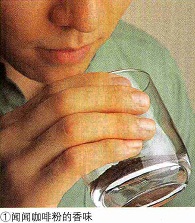
The meaning of Coffee Cup Test American SCAA definition of Coffee Cup Test step method of Coffee Cup Test
Today we will talk about the cup test, the previous blog post talked about the essence of fine coffee Specialty Coffee in the cup test (Cup Testing or Cupping), that is, the evaluation of coffee taste, cup test (Cupping) is a very important step. I remember that when the blogger was young, he just began to learn coffee roasting. Every time after baking, everyone had to learn to taste his own work with the teacher and play with the props tested several times.
2016-01-23 Coffee cup meaning America SCAA definition step method today we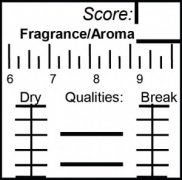
Boutique coffee information how to use SCAA coffee cup meter
Coffee Cupping, which is translated into Chinese for coffee cup test, cup taste or cup evaluation, is a very magical and simple method of coffee sensory evaluation. The quality of coffee is judged by the sense of taste, which is called coffee cup test. The person who evaluates it is called a coffee quality appraiser. Similar to wine tasting, when testing a cup, make the coffee flow back and forth in your mouth and make full use of your sense of taste and smell to feel the coffee.
2014-09-25 Coffee knowledge fine coffee coffee cup meter SCAA
Teach you how to select defective coffee beans from raw coffee beans
In the selection of defective beans, the most difficult to judge are fermented beans and unripe beans. At first glance, some are slightly yellow, or only slightly different, which makes it difficult to judge whether they should be removed or not. However, as long as there is hesitation, it should be eliminated without thinking. In short, the most important thing is to use the most perfect hand selection to make delicious coffee.
2014-09-02 Coffee knowledge selection of coffee beans coffee defective beans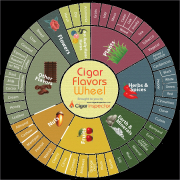
Coffee knowledge professional coffee tasting terminology
Coffee tasting is a very rigorous process. In order to taste the original flavor of coffee, coffee tasters usually evaluate coffee most professionally through cup testing. There are a lot of requirements in the process of coffee cup testing. The requirements for coffee taste appraisers are also high. Below, let Brista familiarize you with some terms for coffee tasting products. Flavor [flavor] is fragrant
2014-09-25 Coffee knowledge coffee terminology coffee encyclopedia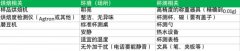
Introduction to SCAA Standard Coffee Cup testing equipment
Description of ① cups and bowls: SCAA recommended cups are toughened glass or porcelain cups with a capacity of 207-266ml and 76-89mm lids of any material. All utensils should be clean, odorless, the same specifications and materials (for example, glass and porcelain bowls cannot be mixed with different capacities) [cup test sample preparation] bake 1.
2015-11-02 SCAA standard coffee cup introduction cup test environment appliance equipment