“Cultivation” search results (10308)

Cultivation techniques of small-grain Coffee in Yunnan Province: pest Control
Small-grain coffee cultivation, coffee cultivation techniques and coffee pest control in Yunnan Province
2014-06-17 Coffee knowledge coffee bean cultivation Yunnan coffee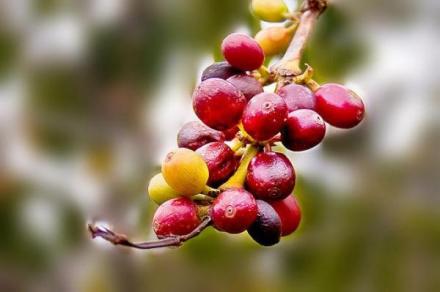
Climate change affects coffee cultivation in equatorial countries
As the second most traded commodity, coffee is second only to oil in value. Global climate change is affecting coffee cultivation in tropical countries on both sides of the equator, and the coffee crisis is already brewing. It is generally believed that large food companies will always be able to get coffee from somewhere in the future, or even if the temperature warms up, farmers can still grow coffee on higher mountains. But the researchers point out that in the main
2015-08-01 Climate change impact equator country coffee cultivation as ranking second big
Columbia Colombia huila coffee beans
Colombia huila, Colombia: located in the southwest of Colombia, it is one of the major coffee growing areas. Because there are famous coffee cultivation places in Huilan area, the names of small areas become brand names and circulate. Although the cultivation conditions in this area are also very good, the cultivation infrastructure of coffee cultivation farm and surrounding conditions is not yet.
2016-02-25 Columbia Huilan Colombia huila Coffee beans Columby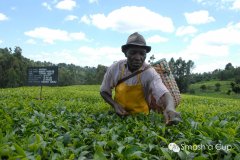
Puerto Rico has a very long history of coffee cultivation.
Puerto Rico has a very long history of coffee cultivation. As a Caribbean island country, coffee planting as a commodity began to rise here as early as the 1860s. What is interesting is that in recent years, with the increase of import tariffs on Puerto Rico coffee in the United States and other countries, although the coffee planting industry here has shrunk to a great extent, a new round of industrial reshuffle and integration
2016-06-12 Bodo Li has each has very long coffee cultivation history introduction
Geographical Distribution cultivation techniques of Coffee trees
Coffee grows mostly in countries with alpine terrain between the Tropic of Cancer and the Tropic of Cancer. It is native to tropical Africa and is introduced and cultivated in South and Southwest China. [2] the cultivation technology editor requires that the origin of the coffee tree [4] is in Ethiopia in Africa. In botany, the coffee tree belongs to the evergreen tree of the coffee subgenus of Rubiaceae, and the so-called coffee bean is actually the fruit of the coffee tree.
2016-06-08 Coffee geographical distribution cultivation techniques coffee long promised land mostly located in Beihui
Geographical Distribution cultivation techniques of Coffee trees
Coffee grows mostly in countries with alpine terrain between the Tropic of Cancer and the Tropic of Cancer. It is native to tropical Africa and is introduced and cultivated in South and Southwest China. [2] the cultivation technology editor requires that the origin of the coffee tree [4] is in Ethiopia in Africa. In botany, the coffee tree belongs to the evergreen tree of the coffee subgenus of Rubiaceae, and the so-called coffee bean is actually the fruit of the coffee tree.
2016-06-08 Coffee geographical distribution cultivation techniques coffee long promised land mostly located in Beihui
Detailed Analysis of four cultivation Systems of Ethiopian Fine Coffee
According to the following four different modes of production, Ethiopian coffee can be divided into nine major coffee producing areas, including five boutique coffee areas: Sidamo, Yegashefi, Harald, Lim and Lekampidi, and four general commercial bean producing areas: Gemma, Irugbagbo, Tibby and Bekaa. The sun or water washing methods are used in each district, and different treatment methods also affect the flavor.
2015-11-27 Ethiopia boutique coffee big four cultivation system detail analysis
Basic information on coffee varieties
Suitable cultivation conditions: Arabica variety (Arabica) is suitable for plateau cultivation, Robesta variety (Robusta) is suitable for lowland cultivation, and Liberian variety (Liberica) is suitable for minimum cultivation. Production: the Arabica variety (Arabica) accounts for about 70-80% of the world's total output; the Robesta variety (Robusta) accounts for about 20-30% of the world's total output of Liberian varieties (Liberica)
2014-07-17 Coffee knowledge coffee varieties coffee encyclopedia
To what extent has coffee cultivation developed in China?
The unique geographical location of the rise of coffee in China is that the west and south of Yunnan Province are located between the 15th latitude and the Tropic of Cancer, most of the areas are 1000-2000 meters above sea level, and the topography is dominated by mountains and slopes. and ups and downs, fertile soil, sufficient sunshine, rich rainfall, large temperature difference between day and night. International form and government support the increase in international and domestic demand for coffee
2016-08-01 China coffee planting in the end to what extent the rise
Detailed Analysis of four cultivation Systems of Coffee in Ethiopia
Forest coffee (Forest Coffee): wild coffee, which accounts for 10% of Ethiopia's national output, is distributed in the wild coffee forest areas of the west and southwest, also known as the Kafa forest. The dense trees here provide the most natural shade for coffee trees and do not need manual care. Mother Earth is in charge of birth, aging, sickness and death, and coffee farmers can go directly to the woodland to harvest. Hansen
2015-02-12 Ethiopia Coffee four cultivation system detail Analysis Forest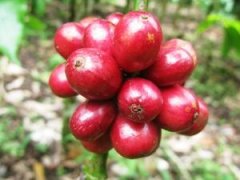
Detailed Analysis of four cultivation Systems of Coffee in Ethiopia
Forest coffee (Forest Coffee): wild coffee, which accounts for 10% of Ethiopia's national output, is distributed in the wild coffee forest areas of the west and southwest, also known as the Kafa forest. The dense trees here provide the most natural shade for coffee trees and do not need manual care. Mother Earth is in charge of birth, aging, sickness and death, and coffee farmers can go directly to the woodland to harvest. Hansen
2015-10-22 Ethiopia Coffee four cultivation system detail Analysis Forest
Various coffee cultivation methods the flavor of Ethiopian coffee
The origin of the coffee tree is Ethiopia in Africa. In botany, coffee trees belong to the evergreen trees of the subgenus Rubiaceae, and coffee beans, commonly known as coffee beans, are the seeds of the fruit of coffee trees, just because they are shaped like beans, so they are called coffee beans. Climate is the decisive factor for coffee cultivation. Coffee trees are only suitable for growing in the tropics or subtropics, so latitude 25 is south and north.
2016-05-24 Various coffee cultivation ways Ethiopia flavor origin Africa
Flavor of Ethiopian Coffee cultivation
Various forms of coffee cultivation can be found in Ethiopia: everything from wild coffee forests and semi-developed land to traditionally operated plots to modern plantations. About 50% of the coffee is grown more than 1500 meters above sea level. Harrar coffee is the highest growing area of all coffee in Ethiopia. Hara coffee can be divided into long coffee.
2016-05-29 Ethiopia coffee cultivation way flavor found various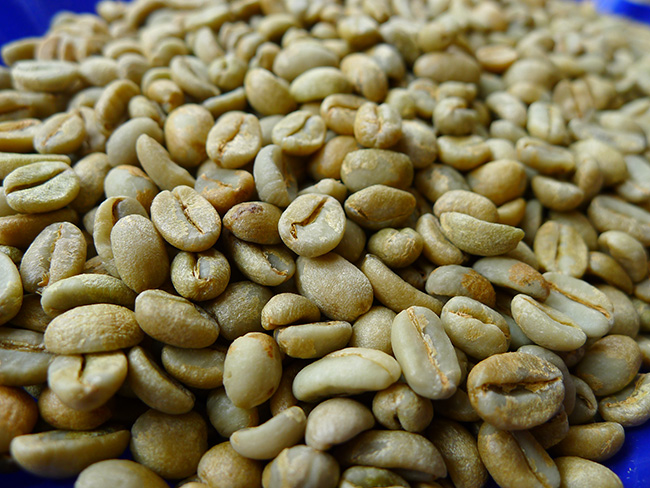
The cultivation of coffee beans the history of coffee beans the cultivation of raw coffee beans
Coffee raw beans are the seeds of coffee trees. It is the wealth hidden in coffee cherries (coffee berries) that people usually call coffee cherries. They are mistakenly called beans because they are similar to the beans we usually see, but they are actually the seeds of coffee. There are usually two flat oval coffee beans in the coffee berries, and a small number of coffee berries
2016-03-21 Coffee beans planting coffee raw beans history seeds people usually
Comparison of basic data of Fine Coffee varieties
Suitable cultivation conditions: Arabica variety (Arabica) is suitable for plateau cultivation, Robesta variety (Robusta) is suitable for lowland cultivation, and Liberian variety (Liberica) is suitable for minimum cultivation. Production: the Arabica variety (Arabica) accounts for about 70-80% of the world's total output; the Robesta variety (Robusta) accounts for about 20-30% of the world's total output of Liberian varieties (Liberica)
2014-11-26 Coffee knowledge coffee common sense coffee varieties
Detailed Analysis of four cultivation Systems in Coffee producing areas of Ethiopia
Forest coffee (Forest Coffee): wild coffee, which accounts for 10% of Ethiopia's national output, is distributed in the wild coffee forest areas of the west and southwest, also known as the Kafa forest. The dense trees here provide the most natural shade for coffee trees and do not need manual care. Mother Earth is in charge of birth, aging, sickness and death, and coffee farmers can go directly to the woodland to harvest. Hansen
2015-12-25 About Ethiopia coffee producing areas four cultivation system detailed analysis
Low yield coffee cultivation conditions Cultivation process and method Introduction
West Africa is the origin of Liberian coffee. It has strong adaptability to various environments such as high temperature or low temperature, humidity or dryness. It is not resistant to leaf rust and its flavor is worse than Arabica. Therefore, it is only traded domestically in some West African countries (Libya, Cote d'Ivoire, etc.) or planted for research. Coffee circulating in the world market
2016-06-30 estate coffee cultivation condition process method presentation west africa libby
Four major cultivation systems of Ethiopian coffee analyze in detail how Ethiopian coffee is cultivated.
Forest coffee (Forest Coffee): wild coffee, which accounts for 10% of Ethiopia's national output, is distributed in the wild coffee forest areas of the west and southwest, also known as the Kafa forest. The dense trees here provide the most natural shade for coffee trees and do not need manual care. Mother Earth is in charge of birth, aging, sickness and death, and coffee farmers can go directly to the woodland to harvest. Hansen
2016-03-16 Ethiopia coffee big four cultivation system detailed analysis how forest
Peruvian coffee in western South America with a short history of coffee cultivation
Peruvian coffee cultivation history is not long, but as a rising star, Peruvian coffee is gradually opening up its popularity and entering the international market. Peru is located in western South America, with a coastline of 2254 kilometers. The Andes runs from north to south, and the mountains account for 1% of the country's area. it belongs to the tropical desert region with a dry and mild climate. Peruvian coffee is mostly grown at the foot of the Andes, where it is abundant.
2016-06-16 Coffee cultivation History long South America West Peru
Cultivation techniques of small Coffee in Yunnan Province: harvesting and processing
Yunnan Province, small-grain coffee cultivation, coffee cultivation techniques, coffee harvesting, coffee processing
2014-06-17 Coffee knowledge Yunnan coffee coffee cultivation