“Colonization” search results (383)

Introduction to the characteristics of Indonesian Java Coffee Flavor and Flavor Manor
The history of Java coffee (java Java Coffee) the Dutch first introduced coffee to Central and South America in the 1820s. Coffee spread from the Dutch colonies to French Guiana and Brazil. In the process of colonization, the Dutch grew coffee in Malaba, India, and brought it to Bada in what is now Java, Indonesia, in 1699.
2016-08-05 Indonesia Java coffee flavor taste manor producing area characteristics introduction boutique
Light and pure sweet Costa Rican Yersalo Coffee Flavor description introduction of Grinding scale
The strict management of Laminita Farm in Tarazhu production area has established a world-class reputation and is popular in European and American markets for most of the century. It can be called a world-famous coffee farm. Lamini Tower means a small gold mine. Before the Spanish colonization, the Indians used to dig gold in the present farm location, which can be described as a blessed land. Raminita produces about 1 million pounds of coffee beans a year.
2016-10-17 Light Pure Gump Costa Rica Yelsa Luo Coffee Flavor description Research
Cross-strait coffee gives you 5 minutes to understand the origin of coffee.
There are all kinds of legends about the origin of coffee, but most of them are forgotten because of its absurdity. People will not forget that Africa is the hometown of coffee. Coffee trees are likely to be found in Ethiopia's KAFFA province. Later, batches of slaves were sold from Africa to Yemen and the Arabian Peninsula, and coffee was taken everywhere along the way. That's for sure.
2014-10-17 Coffee knowledge coffee origin coffee history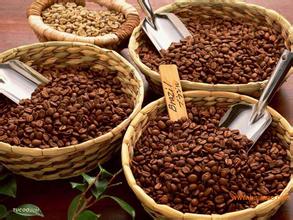
Details of coffee producing areas: the history of coffee development in Indonesia
Indonesia's coffee business originated in 1696 and took place during the Dutch colonization of Indonesia from a spice farm in Batavia to a coffee producing area, making Java and Sumatra the third largest coffee exporter in the world today. From traditional coffee to special espresso coffee has been recognized by Indonesia as a cash crop for more than 300 years.
2015-12-03 Coffee producing area details introduction Indonesia Development History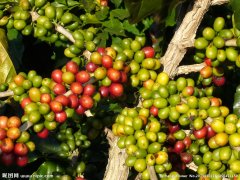
Costa Rican coffee beans at La Minita Manor in Tarazu District are as sweet as honey.
The strict management of Laminita Farm in Tarazhu production area has established a world-class reputation and is popular in European and American markets for most of the century. It can be called a world-famous coffee farm. Lamini Tower means a small gold mine. Before the Spanish colonization, the Indians used to dig gold in the present farm location, which can be described as a blessed land. Raminita produces about 1 million pounds of coffee beans a year.
2016-06-22 Tara Pearl Lamy Nita Minita Manor Costa Rica Coffee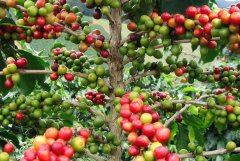
Guatemala boutique coffee beans
The extra-hard coffee beans here are full-grained, delicious and balanced, and the coffee made with them is pure and rich. Guatemala coffee once enjoyed a reputation as the best quality coffee in the world, but its quality also declined for a time. What is gratifying, however, is that its reputation is gradually being restored. In 1750, Father Jesuit introduced coffee trees to Guatemala, at the end of the 19th century.
2016-06-15 Guatemala boutique coffee beans coffee America here very hard particles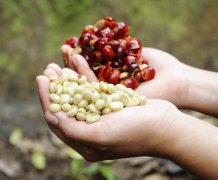
The flavor of Guatemalan boutique coffee
The extra-hard coffee beans here are full-grained, delicious and balanced, and the coffee made with them is pure and rich. Guatemala coffee once enjoyed a reputation as the best quality coffee in the world, but its quality also declined for a time. What is gratifying, however, is that its reputation is gradually being restored. In 1750, Father Jesuit introduced coffee trees to Guatemala, at the end of the 19th century.
2016-05-20 Guatemala boutique coffee flavor here extra hard coffee beans granules full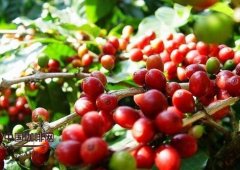
Guatemala extra hard coffee beans are full, delicious and balanced.
The extra-hard coffee beans are full-grained, delicious and balanced, and the coffee made with them is pure and rich. Guatemala coffee once enjoyed a reputation as the best quality coffee in the world, but its quality also declined for a time. What is gratifying, however, is that its reputation is gradually being restored. In 1750, Father Jesuit introduced coffee trees to Guatemala, at the end of the 19th century.
2016-05-18 Guatemala extra hard coffee beans granules plump delicious balanced
Taste of Guatemalan coffee beans methods of Guatemalan coffee beans
The extra-hard coffee beans here are full-grained, delicious and balanced, and the coffee made with them is pure and rich. Guatemala coffee once enjoyed a reputation as the best quality coffee in the world, but its quality also declined for a time. What is gratifying, however, is that its reputation is gradually being restored. In 1750, Father Jesuit introduced coffee trees to Guatemala, at the end of the 19th century.
2016-05-06 Guatemala coffee beans taste practice here very hard granules full
The Origin of Breakfast Coffee
With the first coffee bean picked, the first roasting test, the first grinding, the first blending and the mellow smell of the first cup of hot coffee, the legend of coffee cultivation and coffee culture spreading on our small planet has become one of the greatest and most romantic stories in history. Legends about the origin of coffee vary, but mostly because of its absurdity
2016-06-04 Breakfast synthesis coffee origin along with a grain of coffee beans people picking down
Introduction of baristas in Rwanda
Rwanda has been growing coffee since colonial times. Although the crops are mainly coffee, the quality of coffee produced in Rwanda is not outstanding, and its status in the coffee world is low, and few people pay attention to it. Most of the coffee varieties grown in Rwanda are bourbon. Rwanda, known as the country of Thousand Hills, has a high-altitude mountain environment, fertile volcanic soil and abundant precipitation.
2016-06-02 Rwanda coffee introduction colonization times get up start grow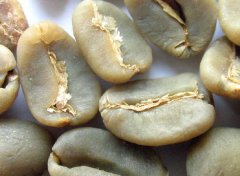
Guatemala's extra-hard coffee beans are full, delicious and balanced
Fine coffee is fresh coffee. Whether it's food or drink, the fresher the better, and so is specialty coffee. Coffee beans should be kept fresh before making fine coffee, including the preservation of roasted beans, and the coffee beans should be ground before making, which is also to retain its most original and best flavor. And hand brewed coffee making is such a way to make fine coffee
2016-06-03 Guatemala extra hard coffee beans granular full delicious balanced boutique coffee
Colonial History of Coffee Manor in Tanzania
Tanzanian coffee has also been developed in the hands of German and British colonists and has long been loved by Europeans and squeezed into the ranks of famous products. The most favorable factors that make Tanzanian coffee famous are Hemingway and his novels. Hemingway has been integrated with Tanzania and Mount Kilimanjaro since he embarked on his career as a writer in France. Hemingway became famous
2016-06-07 Tanzania coffee manor colonization history also in Germany
Colonial Coffee Garden, a microcosm of cosmopolitanism
After the 17th century, the coffee tasted by Europeans is no longer Arabian coffee beans from the east. When cafes quickly became popular in Europe, adventurous businessmen targeted the coffee trade, figuring out the huge profits behind growing and buying and selling coffee. The overseas pioneers of the old colonial empire of the Netherlands, the East India Company and the West India Company, were the first to act, risking being sentenced.
2015-05-07 Colonization coffee garden world doctrine one in miniature after the 17th century Europeans
Rwanda Coffee Manor introduces the Classification of Fine Coffee
Rwanda has been growing coffee since colonial times. Although the crops are mainly coffee, the quality of coffee produced in Rwanda is not outstanding, and its status in the coffee world is low, and few people pay attention to it. Most of the coffee varieties grown in Rwanda are bourbon. Rwanda, known as the country of Thousand Hills, has a high-altitude mountain environment, fertile volcanic soil and abundant precipitation.
2016-06-27 Rwanda coffee manor producing area introduction boutique classification colonization time
World boutique Coffee Culture History Colonial Coffee Garden
After the 17th century, the coffee tasted by Europeans is no longer Arabian coffee beans from the east. When cafes quickly became popular in Europe, adventurous businessmen targeted the coffee trade, figuring out the huge profits behind growing and buying and selling coffee. The overseas pioneers of the old colonial empire of the Netherlands, the East India Company and the West India Company, were the first to act, risking being sentenced.
2014-12-08 World boutique coffee cultural history colonization coffee garden 17th century after Europe
A microcosm of cosmopolitanism in colonial coffee gardens
After the 17th century, the coffee tasted by Europeans is no longer Arabian coffee beans from the east. When cafes quickly became popular in Europe, adventurous businessmen targeted the coffee trade, figuring out the huge profits behind growing and buying and selling coffee. The overseas pioneers of the old colonial empire of the Netherlands, the East India Company and the West India Company, were the first to act, risking being sentenced.
2015-02-02 Colonization coffee garden world doctrine one in miniature after the 17th century Europeans
A microcosm of cosmopolitanism in colonial coffee gardens
After the 17th century, the coffee tasted by Europeans is no longer Arabian coffee beans from the east. When cafes quickly became popular in Europe, adventurous businessmen targeted the coffee trade, figuring out the huge profits behind growing and buying and selling coffee. The overseas pioneers of the old colonial empire of the Netherlands, the East India Company and the West India Company, were the first to act, risking being sentenced.
2015-03-18 Colonization coffee garden world doctrine one in miniature after the 17th century Europeans
Colonial Coffee Garden, a microcosm of cosmopolitanism
Modern people can drink coffee as much as they like, but there has been a rough ban on coffee in history. It is said that the world's first ban on cafes can be traced back to the holy place of Mecca in 1511. The rulers thought that the parties on the coffee shop table would threaten their authority and closed all the cafes in the city. As a result, the ban was repealed automatically because the Sultan fell in love with drinking coffee. At the beginning
2015-11-09 Colonization coffee garden world doctrine one microcosm modern people can do whatever they want.
Lutesilo producing area in the western province of Rwanda coffee growing region
Coffee has been grown since the colonial era. although the crops are mainly coffee, the quality of coffee produced by Lu is not outstanding, and its status in the coffee world is low, and few people pay attention to it. Most of the coffee varieties grown in Rwanda are bourbon. Rwanda, known as the country of a thousand hills, has a high-altitude mountain environment, fertile volcanic soil and abundant precipitation, which is conducive to the growth of coffee trees.
2016-06-18 Rwanda coffee cultivation region western province Texi producing areas colonization times