“Climate” search results (11898)

Climate for the cultivation of Malaba Coffee in Southern Rwanda
Malaba Coffee grows in southern Rwanda, about 12 kilometers (7 miles) from the city of Butare and 150 kilometers (93 miles) from the capital, Gejali. The plan began in the Malaba area of Butare province, but was taken over by a local government organization in 2006, which is now part of the Huye district of the southern province. Due to its proximity to the East African Rift Valley and the Neuenway Forest Mountains, the terrain
2016-06-22 Rwanda South Malaba Rabbah Coffee planting Climate introduction boutique Horse
Coffee Development History of Rwanda Coffee Culture of Rwanda Coffee Origin of Rwanda
The country mainly produces coffee the country opens the international road with the coffee industry in Rwanda coffee production in Rwanda: there are about 33000 hectares of coffee plantations in Rwanda and 500000 people are engaged in the coffee industry. With good natural conditions of high altitude and fertile volcanic soil, the country's fertile soil and suitable climate contribute to plant growth, and coffee trees seem to be driven or driven.
2016-05-29 Rwanda Coffee Development History Coffee Culture Origin country Major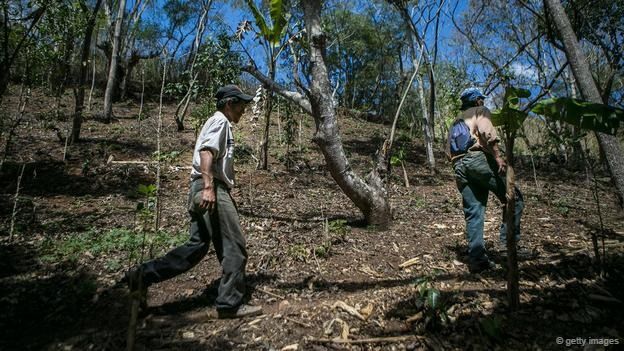
Coffee crisis: mankind's favorite drink is coming to an end?
While sipping lattes and espressos and reading newspaper headlines, we don't seem to feel much threat from climate change. Yet travel thousands of miles to the origin of this refreshing drink and you get a real sense of how real the threat of climate change is. Recently, from the University of California Santa Barbara (University of Californ)
2015-08-31 coffee crisis human love drink towards doomsday
Colombian Coffee-the most memorable flavor
Colombia's mild climate, humid air, and diverse climate make it a harvest season all year round, with different kinds of coffee ripening at different times. What they grow is Arabica coffee beans of unique quality, and the coffee made from this coffee bean has a rich taste and endless aftertaste, which can be called fine coffee. Nowadays, many people combine Colombian coffee with high quality and delicious coffee.
2016-05-23 Colombia coffee worth miss taste climate mild air
Introduction to the characteristics of Antigua Coffee Flavor Manor in Guatemala with good balance
Guatemala is located in the tropics, the northern and eastern coastal plains have a tropical rain forest climate, the southern mountains have a subtropical climate, the year is divided into two dry and wet seasons, with the wet season from May to October and the dry season from November to April of the following year. The narrow and fertile flatlands on the Pacific side of Guatemala have a tropical climate. The central plateau is also the cultural center of Guatemala, where the year-round temperature ranges from 1300 to 1800 meters.
2016-08-20 Balanced good Guatemala Antioch coffee flavor taste manor producing area special
Introduction to the Fine Coffee of Guatemala Antigua Coffee with Fine taste
Guatemala is located in the tropics, the northern and eastern coastal plains have a tropical rain forest climate, the southern mountains have a subtropical climate, the year is divided into two dry and wet seasons, with the wet season from May to October and the dry season from November to April of the following year. The narrow and fertile flatlands on the Pacific side of Guatemala have a tropical climate. The central plateau is also the cultural center of Guatemala, where the year-round temperature ranges from 1300 to 1800 meters.
2016-08-11 Monosodium glutamate fine Guatemala Antioch coffee flavor taste manor boutique introduction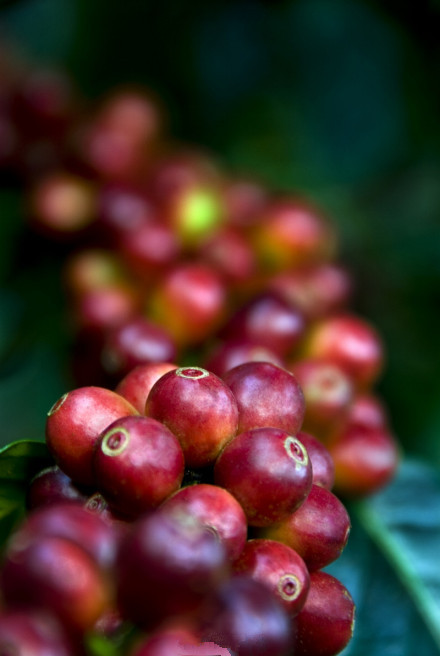
Coffee crisis with tricky tastes and fragile varieties
The price of coffee is forecast to rise by 25% by 2050. The livelihoods of 25 million people may depend on whether scientists can find a way to protect fragile coffee plants and berries. A whole year's coffee harvest may depend on the florescence of just a few days, when plants are particularly vulnerable to extreme weather. Last year, coffee leaf rust caused coffee farms in Nicaragua
2015-08-31 Coffee crisis tricky taste fragility variety
Introduction of Colombia to the producer of boutique coffee beans
Colombia's mild climate, humid air, and diverse climate make it a harvest season all year round, with different kinds of coffee ripening at different times. What they grow is Arabica coffee beans of unique quality, and the coffee made from this coffee bean has a rich taste and endless aftertaste, which can be called fine coffee. Nowadays, many people combine Colombian coffee with high quality and delicious coffee.
2014-12-25 Boutique coffee beans producing countries introduction Colombia climate mild empty
Introduction to the characteristics of high-quality coffee beans in the producing area of Ecuadorian coffee with balanced acidity
Ecuador is divided into the western coast, the central mountains, the eastern Amazon River basin and the four central regions of the Galapagos Islands, with diverse climatic conditions. The western coastal plain belongs to the tropical rain forest climate, with an average temperature of 23-25 ℃. The central Andes. The intermountain basin in this area belongs to the savanna climate, and the mountain belongs to the subtropical forest climate, with perennial snow above 4000 meters above sea level. Annual average decline
2016-09-02 Acidity balance Ecuador coffee flavor taste manor producing area characteristics essence
Introduction to Paradise Bird Manor in Wiki Valley, a coffee-producing area of Papua New Guinea with a humid and rainy climate
The coffee production in Papua New Guinea is not very high, and its coffee beans are carefully washed Arabica beans. Generally washed coffee beans are full of bright fruit aromas, but do not have a strong acidity. It is characterized by a silky soft taste and excellent aroma, moderate acidity, and is a relatively rare variety of high-alcohol and medium-acidity coffee, regardless of
2016-07-04 Climate high humidity rainy Babu Guinea coffee producing areas wiki valley paradise
Introduction to the fragrant Ecuadorian Coffee Flavor and the Fine Coffee in the Manor area
Ecuador is divided into the western coast, the central mountains, the eastern Amazon River basin and the four central regions of the Galapagos Islands, with diverse climatic conditions. The western coastal plain belongs to the tropical rain forest climate, with an average temperature of 23-25 ℃. The central Andes. The intermountain basin in this area belongs to the savanna climate, and the mountain belongs to the subtropical forest climate, with perennial snow above 4000 meters above sea level. Annual average decline
2016-08-29 Aroma fragrance Ecuador coffee flavor taste manor producing area characteristics essence
Temperature between 15 and 25 ℃. Climate. Recent coffee planting temperature.
The optimal planting conditions of conditional coffee trees are as follows: the temperature is between 15 and 25 ℃, and the annual rainfall of coffee trees must reach 1500 to 2000 mm, and the rainfall time should be in line with the flowering cycle of coffee trees. Of course, in addition to the seasonal rainfall, there should also be fertile soil and good drainage. Fertile soil containing volcanic ash
2016-06-18 Temperature between occasional climate recent coffee planting conditions ideal
Introduction to the characteristics of Salvadoran coffee in the manor area with volcanic El Salvador coffee flavor
The topography here is mainly mountainous and plateau, with many volcanoes. Savanna climate. The plain area belongs to the tropical rain forest climate and the mountain area belongs to the subtropical forest climate. The average annual temperature is 25-28 ℃, and the annual precipitation is more than 1800 mm in mountainous areas and about 1000 mm in coastal areas. It is rich in water resources, the rivers are short and swift, and the coffee in El Salvador accounts for 40% of the country's exports.
2016-08-03 Volcano El Salvador boutique coffee flavor taste manor producing area introduction special
Introduction to the requirements of planting environment and natural weather and climate of coffee trees in Colombia
Different kinds of coffee mature at different times. And fortunately, unlike Brazil, Colombia doesn't have to worry about frost. Approximately 2.7 billion coffee trees have been documented in Colombia, 66 per cent of which are planted in modern plantations and the rest on small traditionally run farms. The pure taste of Colombian coffee comes from Columbia, which has a coffee maker.
2016-06-12 Colombia coffee planting environment nature weather climate requirements introduction same
Some coffee growing areas will not be able to farm by 2050?
Coffee and tea growers in Kenya now have to face the problems of global warming, and economists say the outlook for cash crops is grim. According to Kenya's Business Daily on the 17th, scientists have warned that climate change will be permanent, so growers may be forced to completely change their farming methods, including changes in the types of crops they grow. Expert prediction
2014-04-27 Partial coffee growing area 2050 unable farming Kenya tea
Colombian boutique coffee flavor introduction Colombian coffee taste characteristics Colombian coffee
Colombia's mild climate, humid air, and diverse climate make it a harvest season all year round, with different kinds of coffee ripening at different times. What they grow is Arabica coffee beans of unique quality, and the coffee made from this coffee bean has a rich taste and endless aftertaste, which can be called fine coffee. Nowadays, many people combine Colombian coffee with high quality and delicious coffee.
2016-03-31 Colombia boutique coffee flavor introduction taste characteristics climate
Colombian Coffee introduced Colombian Coffee Manor Colombian Coffee producing areas introduced Colombia
Colombia's mild climate, humid air, and diverse climate make it a harvest season all year round, with different kinds of coffee ripening at different times. What they grow is Arabica coffee beans of unique quality, and the coffee made from this coffee bean has a rich taste and endless aftertaste, which can be called fine coffee. Nowadays, many people combine Colombian coffee with high quality and delicious coffee.
2016-07-20 Colombia coffee introduction manor producing area climate mild air
What are the soil and climate requirements for growing coffee beans
Coffee tree belongs to Rubiaceae (Rubiaceae), which is a shrub or small tree. It is native to subtropical Africa or Asia. The seeds in its berries are the main raw materials of coffee. Commercially, the seeds of coffee are called coffee beans (coffee bean). Flowers and fruits of coffee trees Coffee flowers grow in leaf axils, Corolla basin-shaped, cheese-colored or white, ovary two-loculed, one ovule per locule, fruit pulp
2016-05-27 Planting coffee beans soil climate what kind requirements coffee genus Rubiaceae plant
Introduction to the Geography and Climate of Coffee cultivation in Panama
This estate has led to the growth of Geisha in many coffee plantations not only in Panama but also throughout Central America. For many coffee farmers, this variety means a high price, and to a large extent, this perception is correct. Because as a manor growing Geisha, the price of its coffee is always higher than that of other estates. Traceable origin Panamanian coffee set
2016-06-13 Panama coffee planting geography climate introduction this manor makes not only
Introduction to the characteristics of Ecuador Fine Coffee Flavor Manor
Ecuador is divided into the western coast, the central mountains, the eastern Amazon River basin and the four central regions of the Galapagos Islands, with diverse climatic conditions. The western coastal plain belongs to the tropical rain forest climate, with an average temperature of 23-25 ℃. The central Andes. The intermountain basin in this area belongs to the savanna climate, and the mountain belongs to the subtropical forest climate, with perennial snow above 4000 meters above sea level. Annual average decline
2016-08-25 Ecuador boutique coffee flavor taste manor producing area characteristics introduction er