“Cellulose” search results (249)

The main purpose of coffee grounds coffee grounds is clean hands
Coffee grounds are the dregs left over from the extraction of coffee, right? In fact, every 100 grams of coffee beans are rich in protein 12.6 grams, cellulose 9 grams, ash 4.2 grams, calcium 120 mg, phosphorus 170 mg, iron 42 mg, sodium 3 mg, vitamin B2 0.12 grams, niacin 3.5 mg, caffeine 1.3 grams, tannin 8 grams. It can be said to be rich in nutrients and comprehensive, extracted coffee grounds
2015-05-19 coffee main use clean good hand is in extract residue dross
How to make roasted coffee bean boutique coffee China Coffee Network
Roasting coffee beans is controlled according to the requirements of coffee utensils. The taste of different utensils and different coffee beans will be different when roasted. Coffee beans are roasted by using specific equipment to convert starch into sugars and acids at high temperatures. In this process, substances such as cellulose will be carbonized to varying degrees, and water and carbon dioxide will be volatilized.
2016-06-04 How making roasting coffee beans boutique coffee China
Coffee roasting electric direct drum roaster
Coffee roasting (coffee roasting) means that through heating raw beans, starch in raw beans is converted into sugars and acids at high temperature, substances such as cellulose will be carbonized to varying degrees, water and carbon dioxide will be volatilized, proteins will be converted into enzymes and fats, and the remaining substances will be combined to form an oil film on the surface of coffee beans, and in the process coffee acids will be formed.
2014-08-20 Coffee knowledge coffee roasting electric direct drum roaster
Coffee bean baking technology hand popcorn pot
Coffee roasting (coffee roasting) means that through heating raw beans, starch in raw beans is converted into sugars and acids at high temperature, substances such as cellulose will be carbonized to varying degrees, water and carbon dioxide will be volatilized, proteins will be converted into enzymes and fats, and the remaining substances will be combined to form an oil film on the surface of coffee beans, and in the process coffee acids will be formed.
2015-01-08 Coffee beans roasting technology hand shaking popcorn coffee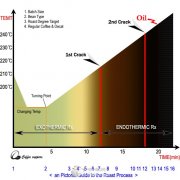
Analysis of roasting process of Coffee
Coffee roasting (coffee roasting) means that through heating raw beans, starch in raw beans is converted into sugars and acids at high temperature, substances such as cellulose will be carbonized to varying degrees, water and carbon dioxide will be volatilized, proteins will be converted into enzymes and fats, and the remaining substances will be combined to form an oil film on the surface of coffee beans, and in the process coffee acids will be formed.
2014-05-13 Coffee knowledge baking
High-quality coffee the main uses of coffee grounds
Coffee grounds are the dregs left over from the extraction of coffee, isn't it? In fact, every 100 grams of coffee beans are rich in 12.6 grams of protein, 9 grams of cellulose, 4.2 grams of ash, 120 milligrams of calcium, 170 milligrams of phosphorus, 42 milligrams of iron, 3 milligrams of sodium, 0.12 grams of vitamin B2, 3.5 milligrams of niacin, 1.3 grams of caffeine and 8 grams of tannins. It can be said that the coffee grounds after extraction are nutritious and comprehensive.
2014-12-23 Boutique coffee common sense main uses extraction leftover dregs
Be an expert in coffee
Coffee contains fat, water, caffeine, cellulose, sugar, aromatic oil and other ingredients. Each kind of coffee has its different characteristics, such as sour, sweet, bitter, mellow, fragrant and so on. Its famous varieties are: Brazil Santos: neutral beans, its good flavor is known as the firmness of coffee. This kind of beans must be roasted just right to make them slightly.
2014-05-28 Coffee culture coffee expert
Coffee bean roasting technology household roaster
Coffee roasting (coffee roasting) means that through heating raw beans, starch in raw beans is converted into sugars and acids at high temperature, substances such as cellulose will be carbonized to varying degrees, water and carbon dioxide will be volatilized, proteins will be converted into enzymes and fats, and the remaining substances will be combined to form an oil film on the surface of coffee beans, and in the process coffee acids will be formed.
2015-01-08 Coffee beans roasting technology household roaster coffee
English Corner | Why do we bake coffee and raw beans?
Love coffee, is an elegant way of life, love coffee, let's get together! Coffee beans are the seeds of the cherries of the coffee tree. Each cherrytypically contains two beans whose flat sides face each other. When steepedin hot water, raw, or green, coff
2015-11-03 English Corner we why roast coffee raw beans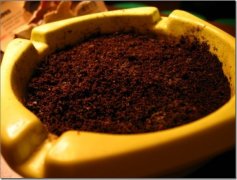
A detailed explanation of the use of Coffee grounds
Coffee grounds are the dregs left over from the extraction of coffee, isn't it? In fact, every 100 grams of coffee beans are rich in 12.6 grams of protein, 9 grams of cellulose, 4.2 grams of ash, 120 milligrams of calcium, 170 milligrams of phosphorus, 42 milligrams of iron, 3 milligrams of sodium, 0.12 grams of vitamin B2, 3.5 milligrams of niacin, 1.3 grams of caffeine and 8 grams of tannins. It can be said that the coffee grounds after extraction are nutritious and comprehensive.
2015-02-06 Coffee basic common sense use detailed explanation coffee is in extraction leftover dregs
The process of making coffee beans how to make coffee beans
Roasting coffee beans is a process in which raw beans are roasted using specific equipment to convert starch into sugars and acids at high temperature. in this process, substances such as cellulose will be carbonized to varying degrees, water and carbon dioxide will evaporate, and the protein will be converted into enzymes, which combine with the rest of the fat to form an oil film on the surface of the coffee, and the coffee bean itself.
2016-05-25 Coffee beans the production process should how making roasting coffee beans will raw beans
The whole process of coffee roasting technology
Coffee roasting (coffee roasting) means that through heating raw beans, starch in raw beans is converted into sugars and acids at high temperature, substances such as cellulose will be carbonized to varying degrees, water and carbon dioxide will be volatilized, proteins will be converted into enzymes and fats, and the remaining substances will be combined to form an oil film on the surface of coffee beans, and in the process coffee acids will be formed.
2014-08-20 Coffee knowledge coffee roasting roasting technology roasting process
Roasting skills of coffee beans at home
Coffee roasting (coffee roasting) means that through heating raw beans, starch in raw beans is converted into sugars and acids at high temperature, substances such as cellulose will be carbonized to varying degrees, water and carbon dioxide will be volatilized, proteins will be converted into enzymes and fats, and the remaining substances will be combined to form an oil film on the surface of coffee beans, and in the process coffee acids will be formed.
2015-02-03 Coffee beans at home roasting skills household roaster coffee coff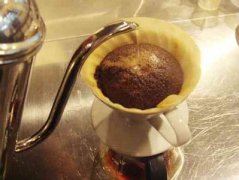
The main use of coffee grounds can be deodorization, deodorization and cosmetology.
Coffee grounds are the dregs left over from the extraction of coffee, isn't it? In fact, every 100 grams of coffee beans are rich in 12.6 grams of protein, 9 grams of cellulose, 4.2 grams of ash, 120 milligrams of calcium, 170 milligrams of phosphorus, 42 milligrams of iron, 3 milligrams of sodium, 0.12 grams of vitamin B2, 3.5 milligrams of niacin, 1.3 grams of caffeine and 8 grams of tannins. It can be said that the coffee grounds after extraction are nutritious and comprehensive.
2015-03-31 Coffee main use deodorization flavor beauty coffee is in extract leftover
The basic knowledge of coffee connoisseurs drinking coffee
Coffee contains fat, water, caffeine, cellulose, sugar, aromatic oil and other ingredients. Each kind of coffee has its different characteristics, such as sour, sweet, bitter, mellow, fragrant and so on. Its famous varieties are: Brazil Santos: neutral beans, its good flavor is known as the firmness of coffee. This kind of beans must be roasted just right to make them slightly.
2015-06-18 Coffee connoisseur basics common sense coffee contains fat moisture caffeine fiber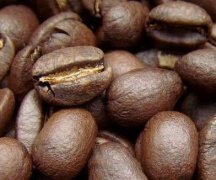
80 percent of coffee flavor is determined by roasting.
Baking, as the name suggests, is to provide heat to coffee beans, by heating the internal structure of coffee beans to produce thermal decomposition of chemical changes, more specifically, that is, heating the starch in the raw beans due to high temperature into sugar 5 or acidic substances, cellulose and other substances will be different degrees of carbon carbonization, moisture and carbon dioxide will volatilize, protein will be converted into enzymes, and fat residual substances will knot
2015-05-12 coffee flavor percent is roasted set roasted as the name suggests is given
Coffee bean roasting technology electric direct drum roaster
Coffee roasting (coffee roasting) means that through heating raw beans, starch in raw beans is converted into sugars and acids at high temperature, substances such as cellulose will be carbonized to varying degrees, water and carbon dioxide will be volatilized, proteins will be converted into enzymes and fats, and the remaining substances will be combined to form an oil film on the surface of coffee beans, and in the process coffee acids will be formed.
2015-01-08 Coffee beans roasting technology electric direct fire roller roaster coffee c
80% of the taste of coffee is determined by roasting.
Baking, as the name implies, is to provide heat to coffee beans, and to produce chemical changes in the internal structure of coffee beans by heating, that is, heating converts starch in raw beans into sugar 5 or acidic substances at high temperature. substances such as cellulose will be carbonized to varying degrees by carbon, water and carbon dioxide will be evaporated, proteins are converted into enzymes, and the rest of the fat will knot.
2015-01-28 Coffee taste percent is by baking determined common sense baking company as the name implies
Coffee common sense 80% of coffee taste is determined by baking.
Baking, as the name implies, is to provide heat to coffee beans, and to produce chemical changes in the internal structure of coffee beans by heating, that is, heating converts starch in raw beans into sugar 5 or acidic substances at high temperature. substances such as cellulose will be carbonized to varying degrees by carbon, water and carbon dioxide will be evaporated, proteins are converted into enzymes, and the rest of the fat will knot.
2014-12-17 Coffee common sense taste percent is made by baking ordering baking as the name implies.
80% of the taste of coffee is determined by the baking company.
Baking, as the name implies, is to provide heat to coffee beans, and to produce chemical changes in the internal structure of coffee beans by heating, that is, heating converts starch in raw beans into sugar 5 or acidic substances at high temperature. substances such as cellulose will be carbonized to varying degrees by carbon, water and carbon dioxide will be evaporated, proteins are converted into enzymes, and the rest of the fat will knot.
2014-08-06 Coffee taste percent is made by baking ordering baking as the name implies is to give