“Cellulose” search results (249)
Coffee aroma coffee wine coffee roast coffee beans how to bake roast curve
Mercaptan has produced deep-baked fragrance since 1962, when two Nobel laureates, Reichstein and Stottinger, pointed out that uran, mercaptan, and alkylpyrazine. After Diketone is the key point to make coffee aroma, in fact, scientists have made great progress in this area over the years. Thomas Palerman (Thomas), a chemist from the world-renowned Kraft Foods Company (Kraft Foods).
2016-06-17 Coffee aroma wine roasting coffee beans how curve mercaptan make deep roast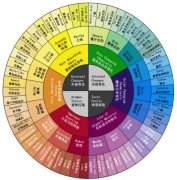
Coffee Bean roasting Coffee roasting and Coffee Flavor Wheel
Deep baking highlights that light roasting of wood incense can highlight the bright smell of sour flowers, grass and fruit, but hopeless deep-baked fans fall in love with resin incense, smelling, choking aroma and alcohol smell, which is the product of Mena reaction and dry distillation. (resin composition: pine and cypress Pinaceae and Taxodiaceae, both secrete olefins with spicy aroma to protect against insect pests or squirrels.) dry distillation
2015-09-01 Coffee beans roasting common sense coffee flavor deep roasting highlighting wood incense light roasting
What is the flavor of deep-roasted coffee? what is the flavor of deep-roasted coffee beans? deep-roasted Mantenin Italian mixed beans commercial coffee
Alcohol has been deeply roasted since 1962, when two Nobel laureates, Reichstein and Stottinger, pointed out that uran, mercaptan, and alkylpyrazine. After Diketone is the key point to make coffee aroma, in fact, scientists have made great progress in this field over the years. Thomas H.
2016-07-01 Roasting Coffee Flavor what Coffee beans Mant Italian blending Commercial make
Coffee flavor is most affected by the factor "mercaptan" to create deep-roasted and light-roasted coffee beans.
Boutique coffee (specialty coffee) is also called specialty coffee selection coffee. It refers to coffee made from a small number of raw beans with excellent taste grown in an ideal geographical environment. Depending on the special soil and climatic conditions in which they grow, they have outstanding flavor. After strict selection and classification, this kind of coffee is hard in texture, rich in taste and stylish.
2016-06-13 Coffee flavor influence big factor mercaptan brewing deep roasting strong aroma light roasting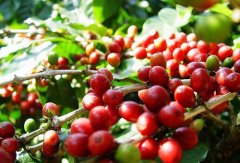
Coffee Nutrition composition Table the benefits of drinking Coffee
Coffee nutrition composition table contains 2.2 grams of moisture, 12.6 grams of protein, 16 grams of fat, 46.7 grams of sugar, 9 grams of cellulose, 4.2 grams of ash, 120 milligrams of calcium, 170 milligrams of phosphorus, 42 milligrams of iron, 3 milligrams of sodium, 20.12 grams of vitamin B20.12 grams, 3.5 milligrams of nicotinic acid, 1.3 grams of caffeine and 8 grams of tannins. Every 100 grams of coffee extract contains 99.5 grams of water, 0.2 grams of protein,
2016-05-31 Coffee nurturance sub-meter benefits coffee 100 grams coffee beans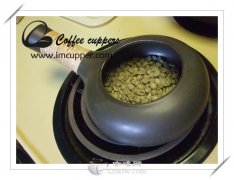
Ceramic coffee roaster
Coffee roasting (coffee roasting) means that through heating raw beans, starch in raw beans is converted into sugars and acids at high temperature, substances such as cellulose will be carbonized to varying degrees, water and carbon dioxide will be volatilized, proteins will be converted into enzymes and fats, and the remaining substances will be combined to form an oil film on the surface of coffee beans, and in the process coffee acids will be formed.
2014-08-20 Coffee knowledge ceramic coffee roaster roasting technology
Coffee roasting and Coffee Flavor Wheel New version of Coffee Flavor Wheel
The deep roasting of counter-cultural coffee flavor wheel highlights that light roasting of wood incense can highlight the bright smell of sour flowers, grasses and fruits, but hopeless deep roasting fans fall in love with resin components such as incense, smelling, choking aroma and alcohol odor. this is the product of Mena reaction and distillation. Resin composition: pine and cypress families of Pinaceae and Taxodiaceae, both secrete oleoresin with spicy fragrance to protect against insect pests or
2015-11-09 Coffee roasting flavor culture new edition coffee deep roasting highlight
Coffee and Nutrition
Coffee contains a small amount of nutrients. Every 100 grams of coffee beans contain 2.2 grams of moisture, 12.6 grams of protein, 16 grams of fat, 46.7 grams of sugar, 9 grams of cellulose, 4.2 grams of ash, 120 milligrams of calcium, 170 milligrams of phosphorus, 42 milligrams of iron, 3 milligrams of sodium, 0.12 grams of vitamin B2, 3.5 milligrams of nicotinic acid, 1.3 grams of caffeine and 8 grams of tannins.
2014-08-15 Coffee knowledge Coffee and Nutrition Coffee Health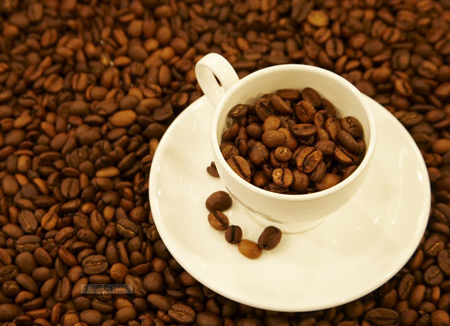
Coffee Flavor Wheel-World's Third Wave of Coffee Aesthetics
Deep baking highlights wood incense Light baking can highlight the bright smell of flowers, grass, fruit acid fragrance, but there is no medicine to save the deep baking fans love the incense, stuffy fragrance, choking fragrance and alcohol of resin components, which is the product of Mena reaction and dry distillation. (resin component: pine and cedar families of conifers, both of which secrete oleoresin compounds and have a pungent aroma to resist pests or squirrel nibbling) destructive distillation
2015-11-13 coffee flavor world third aesthetic dark roast highlight woody incense light roast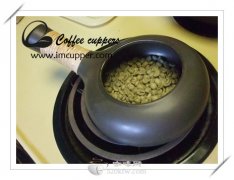
Coffee beans Roasting technology Ceramic coffee roasters
Coffee roasting refers to the heating of raw beans to convert starch in raw beans into sugar and acidic substances at high temperature. Cellulose and other substances will be carbonized to varying degrees. Moisture and carbon dioxide will volatilize. Protein will be converted into enzymes and fats. The remaining substances will combine together to form an oil film layer on the surface of coffee beans. In the process, coffee acids will be generated.
2015-01-08 coffee beans roasting technology ceramics coffee r
What are the nutrients in coffee and nutritious coffee
Coffee contains a small amount of nutrients. Every 100 grams of coffee beans contain 2.2 grams of moisture, 12.6 grams of protein, 16 grams of fat, 46.7 grams of sugar, 9 grams of cellulose, 4.2 grams of ash, 120 milligrams of calcium, 170 milligrams of phosphorus, 42 milligrams of iron, 3 milligrams of sodium, 0.12 grams of vitamin B2, 3.5 milligrams of nicotinic acid, 1.3 grams of caffeine and 8 grams of tannins.
2015-04-14 Coffee Nutrition contains what ingredients a small amount Cheng
Basic knowledge of Coffee and Nutrition Fine Coffee
Coffee contains a small amount of nutrients. Every 100 grams of coffee beans contain 2.2 grams of moisture, 12.6 grams of protein, 16 grams of fat, 46.7 grams of sugar, 9 grams of cellulose, 4.2 grams of ash, 120 milligrams of calcium, 170 milligrams of phosphorus, 42 milligrams of iron, 3 milligrams of sodium, 0.12 grams of vitamin B2, 3.5 milligrams of nicotinic acid, 1.3 grams of caffeine and 8 grams of tannins.
2015-01-27 Coffee nutrition boutique basics common sense coffee contains a small amount ingredients
Coffee and nutritious coffee contain a small amount of nutrients
Coffee contains a small amount of nutrients. Every 100 grams of coffee beans contain 2.2 grams of moisture, 12.6 grams of protein, 16 grams of fat, 46.7 grams of sugar, 9 grams of cellulose, 4.2 grams of ash, 120 milligrams of calcium, 170 milligrams of phosphorus, 42 milligrams of iron, 3 milligrams of sodium, 0.12 grams of vitamin B2, 3.5 milligrams of nicotinic acid, 1.3 grams of caffeine and 8 grams of tannins.
2015-10-27 Coffee Nutrition contains small amount ingredient
The main uses of coffee grounds
Coffee grounds are the dregs left over from the extraction of coffee, isn't it? In fact, every 100 grams of coffee beans are rich in 12.6 grams of protein, 9 grams of cellulose, 4.2 grams of ash, 120 milligrams of calcium, 170 milligrams of phosphorus, 42 milligrams of iron, 3 milligrams of sodium, 0.12 grams of vitamin B2, 3.5 milligrams of niacin, 1.3 grams of caffeine and 8 grams of tannins. It can be said that the coffee grounds after extraction are nutritious and comprehensive.
2014-08-01 Coffee the main use coffee is in extraction leftover dregs in this way actually not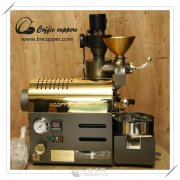
Coffee Roasting Hot Air Roaster
Coffee roasting refers to the heating of raw beans to convert starch in raw beans into sugar and acidic substances at high temperature. Cellulose and other substances will be carbonized to varying degrees. Moisture and carbon dioxide will volatilize. Protein will be converted into enzymes and fats. The remaining substances will combine together to form an oil film layer on the surface of coffee beans. In the process, coffee acids will be generated.
2014-08-20 Coffee knowledge Coffee roasting Hot air roaster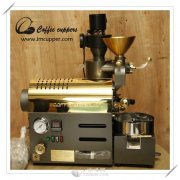
Coffee bean roasting technology hot air roaster
Coffee roasting (coffee roasting) means that through heating raw beans, starch in raw beans is converted into sugars and acids at high temperature, substances such as cellulose will be carbonized to varying degrees, water and carbon dioxide will be volatilized, proteins will be converted into enzymes and fats, and the remaining substances will be combined to form an oil film on the surface of coffee beans, and in the process coffee acids will be formed.
2015-01-08 Coffee beans roasting technology hot air roaster coffee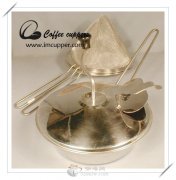
Coffee roasting hand popcorn pot
Coffee roasting (coffee roasting) means that through heating raw beans, starch in raw beans is converted into sugars and acids at high temperature, substances such as cellulose will be carbonized to varying degrees, water and carbon dioxide will be volatilized, proteins will be converted into enzymes and fats, and the remaining substances will be combined to form an oil film on the surface of coffee beans, and in the process coffee acids will be formed.
2014-08-20 Coffee knowledge coffee roasting hand popcorn pot baking skills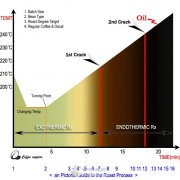
Coffee roasting process
Coffee roasting (coffee roasting) refers to the heating of raw beans to convert starch in raw beans into sugars and acids at high temperature, cellulose and other substances will be carbonized to varying degrees, water and carbon dioxide will be volatilized, proteins will be converted into enzymes and fats, and the remaining substances will be combined to form an oil film on the surface of coffee beans, and in the process coffee acids will be formed.
2014-06-04 Coffee knowledge coffee roasting coffee encyclopedia
Basic knowledge of boutique coffee the main uses of coffee grounds
Coffee grounds are the dregs left over from the extraction of coffee, isn't it? In fact, every 100 grams of coffee beans are rich in 12.6 grams of protein, 9 grams of cellulose, 4.2 grams of ash, 120 milligrams of calcium, 170 milligrams of phosphorus, 42 milligrams of iron, 3 milligrams of sodium, 0.12 grams of vitamin B2, 3.5 milligrams of niacin, 1.3 grams of caffeine and 8 grams of tannins. It can be said that the coffee grounds after extraction are nutritious and comprehensive.
2014-12-23 Boutique coffee basics common sense main uses extraction leftover
Coffee roaster household roaster
Coffee roasting (coffee roasting) means that through heating raw beans, starch in raw beans is converted into sugars and acids at high temperature, substances such as cellulose will be carbonized to varying degrees, water and carbon dioxide will be volatilized, proteins will be converted into enzymes and fats, and the remaining substances will be combined to form an oil film on the surface of coffee beans, and in the process coffee acids will be formed.
2014-08-20 Coffee knowledge coffee roasting household roaster roasting skills