“Assistance” search results (551)

An introduction to the flavor of the manor in El Salvador, the smallest coffee-producing country in Central America.
The civil war in 1980 caused government forces and guerrillas to deal a blow to the coffee industry, as well as natural disasters, as well as the collapse in international raw bean prices between 1986 and 1987, all of which adversely affected the coffee industry. in fact, 80 years ago, the foreign exchange earned by coffee also assisted the country's clothing industry and contributed to the Ministry of Light Industry. And the marketing and export controlled by the government are even more disadvantageous to the whole industry.
2016-07-14 Central America area small El Salvador coffee producing country manor producing area flavor
An introduction to the coffee flavor and taste production area of Ethiopia's Xida Motede Manor, which is full-bodied and thin
The Red Cherry Project (Operation Cherry Red), led by the Dutch trading company Trabocca BV and partly funded by the Dutch government, has been a small-scale farm quality improvement project since 2005. The project, which aims to enhance coffee production and quality in remote areas of Ethiopia by providing producer expertise and related technology assistance, has been targeted at present-day West since 2005.
2016-09-09 Mellow thin Ethiopia Dharma Ted manor coffee flavor
Soft acidity of Tanzanian coffee flavor taste manor characteristics of boutique coffee beans
Over the years, China has helped Tanzania implement a large number of economic aid projects, the most famous of which is built by Chinese capital, personnel and technology. Imports from China already account for 15% of Tanzania's total imports. China is playing a more and more important role in the future development of Africa. China's assistance to the economic development of Tanzania is a good example. I believe that in the near future
2016-08-09 Soft acidity Tanzania coffee flavor taste manor producing area characteristics essence
Coffee Bean planting Industry springs up in Pu'er in Pu'er, Yunnan Province
Xinhua Yunnan Channel, November 23 (Reporter Ji Zhe Peng) Coffee trees all over the mountains are covered with red fruits, and the coffee beans under their feet are rattling in the sun. The family has planted nearly 80 mu of coffee, and the annual net income of coffee beans is about more than 300,000 yuan. Said Wang Middle School, a 71-year-old farmer from Dakaihe Village, Nanping Town, Simao District, Pu'er City. Pu'er City, located in the southwest of Yunnan Province, has a long history of tea and horses.
2014-06-30 Pu'er coffee beans Yunnan coffee beans coffee beans cultivation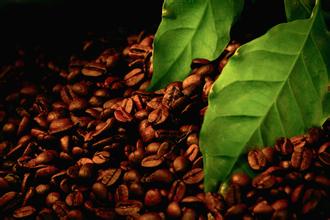
History of coffee in Rwanda
In 1999, 220 coffee growers formed guilds in the Malaba area (formerly part of Butare province) to address the disease. Among the guild members, many farmers were separated from their loved ones by the 1994 mass massacre, while some husbands were jailed or were taken to the traditional Gacaca Court (gacaca) to face trial on charges of participating in the massacre. They named the guild Abauza.
2016-06-01 Rwanda Coffee History 1999 220 households growers Solutions
Introduction to the characteristics of boutique coffee in the manor area
Before January 1, 2006, the country was divided into 12
2016-08-26 Bright flavor performance Rwanda coffee taste manor producing area characteristics boutique
History of coffee in Rwanda
The Rwandans of origin have been growing coffee since colonial times, but until 1999, its products were still classified as below Class C and were not popular in the global market. The reason for the poor quality is that farmers do not have a fixed procedure for washing coffee beans and do not process coffee fruits according to specifications in time. Buyers buy coffee beans at $0.33 per kilogram, and farmers rely on the meagre profits earned at low prices.
2016-05-31 Rwanda Coffee History Origin Human colonization Times from Open
Garage Coffee: the way to start a Cafe
Garage coffee has been well exposed recently because of the visit of Guo Shuqing, chairman of the CSRC. Su Di, co-founder of garage coffee, told reporters that they now receive 80-100 visitors a day.
2014-05-30 Garage Coffee Startup Cafe
Introduction to the planting environment of Costa Rican coffee flavor manor with mellow taste
Gome established diplomatic relations in 1851. The two countries have close relations and frequent exchanges of high-level visits. The United States is Colombia's largest trading partner. In 2007, Colombia exported 1.142 billion US dollars to the United States and imported 2.865 billion US dollars from the United States. The United States has always regarded Colombia as a model for democracy in Latin American countries and provided a lot of economic assistance. The two sides have maintained close cooperation in anti-terrorism, drug control, military and other fields. The United States has built a Latin American police academy and an American warship in Colombia.
2016-08-17 Taste mellow Costa Rica coffee flavor manor planting environment introduction
Coffee flower drawing technique sharing the flower drawing skills of hearts and leaves
Fancy coffee art mainly includes three forms: drawing, carving and printing. Printing is the use of mold assistance, cocoa powder, chocolate powder or cinnamon powder poured on the coffee to show a pattern, the more creative, the less technical. Pull and carving are collectively known as milk pull art (Latte Art). The former is directly through technical movements such as wrist jitter while pouring hot milk into espresso.
2015-01-09 Coffee flower drawing technology sharing hearts leaves skills fancy coffee art
Honduras Water washing treatment SHB Grade Saint Rose treatment Plant Rainforest Certification for roasting Coffee beans
Coffee beans details: country: Honduras Grade: SHB production area: Cobang Province altitude: 1500-2000 m treatment method: washing varieties: Kaddura, Kaduai, bourbon producer: Saint Rose processing Plant Flavor: cream, Brown Sugar, Melon sweetness Coffee began to be grown in Honduras in 1804, and now there are 280000 hectares of coffee plantations, all dominated by small coffee farmers.
2015-07-24 Honduras Water washing treatment SHB Grade Rose treatment Plant Rainforest Certification
Characteristics of coffee beans in Rwanda planting methods of coffee beans in Rwanda
Rwandans have been growing coffee since colonial times, but until 1999, its products were still classified as below Class C and were not popular in the global market. The reason for the poor quality is that farmers do not have a fixed procedure for washing coffee beans and do not process coffee fruits according to specifications in time. Buyers buy coffee beans at $0.33 per kilogram, and farmers keep warm by the meagre profits earned at low prices.
2016-05-08 Rwanda coffee beans characteristics cultivation methods people colonization times
Boutique coffee Rwanda coffee origin Rwanda coffee practice
Rwandans have been growing coffee since colonial times, but until 1999, its products were still classified as below Class C and were not popular in the global market. The reason for the poor quality is that farmers do not have a fixed procedure for washing coffee beans and do not process coffee fruits according to specifications in time. Buyers buy coffee beans at $0.33 per kilogram, and farmers keep warm by the meagre profits earned at low prices.
2016-05-15 Boutique Coffee Rwanda Origin practice Renzi colonization Times
Fine coffee Rwanda Coffee characteristics introduction to Rwanda Coffee
Rwandans have been growing coffee since colonial times, but until 1999, its products were still classified as below Class C and were not popular in the global market. The reason for the poor quality is that farmers do not have a fixed procedure for washing coffee beans and do not process coffee fruits according to specifications in time. Buyers buy coffee beans at $0.33 per kilogram, and farmers keep warm by the meagre profits earned at low prices.
2016-05-15 Boutique coffee Rwanda characteristics introduction Renzi colonization times from
Fine coffee Rwanda coffee manor Rwanda coffee producing area
Rwandans have been growing coffee since colonial times, but until 1999, its products were still classified as below Class C and were not popular in the global market. The reason for the poor quality is that farmers do not have a fixed procedure for washing coffee beans and do not process coffee fruits according to specifications in time. Buyers buy coffee beans at $0.33 per kilogram, and farmers keep warm by the meagre profits earned at low prices.
2016-05-15 Boutique Coffee Rwanda Manor producing area Renzi colonization Times since
Boutique coffee Rwanda coffee flavor red apple, cherry, cinnamon, honey
Rwandans have been growing coffee since colonial times, but until 1999, its products were still classified as below Class C and were not popular in the global market. The reason for the poor quality is that farmers do not have a fixed procedure for washing coffee beans and do not process coffee fruits according to specifications in time. Buyers buy coffee beans at $0.33 per kilogram, and farmers keep warm by the meagre profits earned at low prices.
2016-05-15 Boutique coffee Rwanda flavor red apple cherry cinnamon honey
Fine coffee with soft, fragrant and full-grained flavor in Rwanda Coffee Manor.
Coexist. The primary school has an 8-year system and the middle school has a 6-year system. Education accounts for about 20% of the state budget every year. The illiteracy rate is 49%. In 1991, there were 11789 public primary schools, 900000 primary school students, 16,394 primary school teachers, 77 public middle schools, 16 private middle schools, 20,789 middle school students and 1,469 middle school teachers. There are 323 comprehensive rural handicraft centers with 32,660 students.
2016-08-15 Soft fragrant granular full Rwanda coffee manor producing area flavor taste
Fine coffee Rwanda coffee treatment method washing, elevated scaffolding sun drying
Rwandans have been growing coffee since colonial times, but until 1999, its products were still classified as below Class C and were not popular in the global market. The reason for the poor quality is that farmers do not have a fixed procedure for washing coffee beans and do not process coffee fruits according to specifications in time. Buyers buy coffee beans at $0.33 per kilogram, and farmers keep warm by the meagre profits earned at low prices.
2016-05-15 Boutique coffee Rwanda flavor washing viaduct scaffolding sun drying Luwang
Boutique coffee Rwanda coffee producing area in the western province of Lutexilo
Rwandans have been growing coffee since colonial times, but until 1999, its products were still classified as below Class C and were not popular in the global market. The reason for the poor quality is that farmers do not have a fixed procedure for washing coffee beans and do not process coffee fruits according to specifications in time. Buyers buy coffee beans at $0.33 per kilogram, and farmers keep warm by the meagre profits earned at low prices.
2016-05-15 Boutique coffee Rwanda producing areas western province Texi Renzi colonization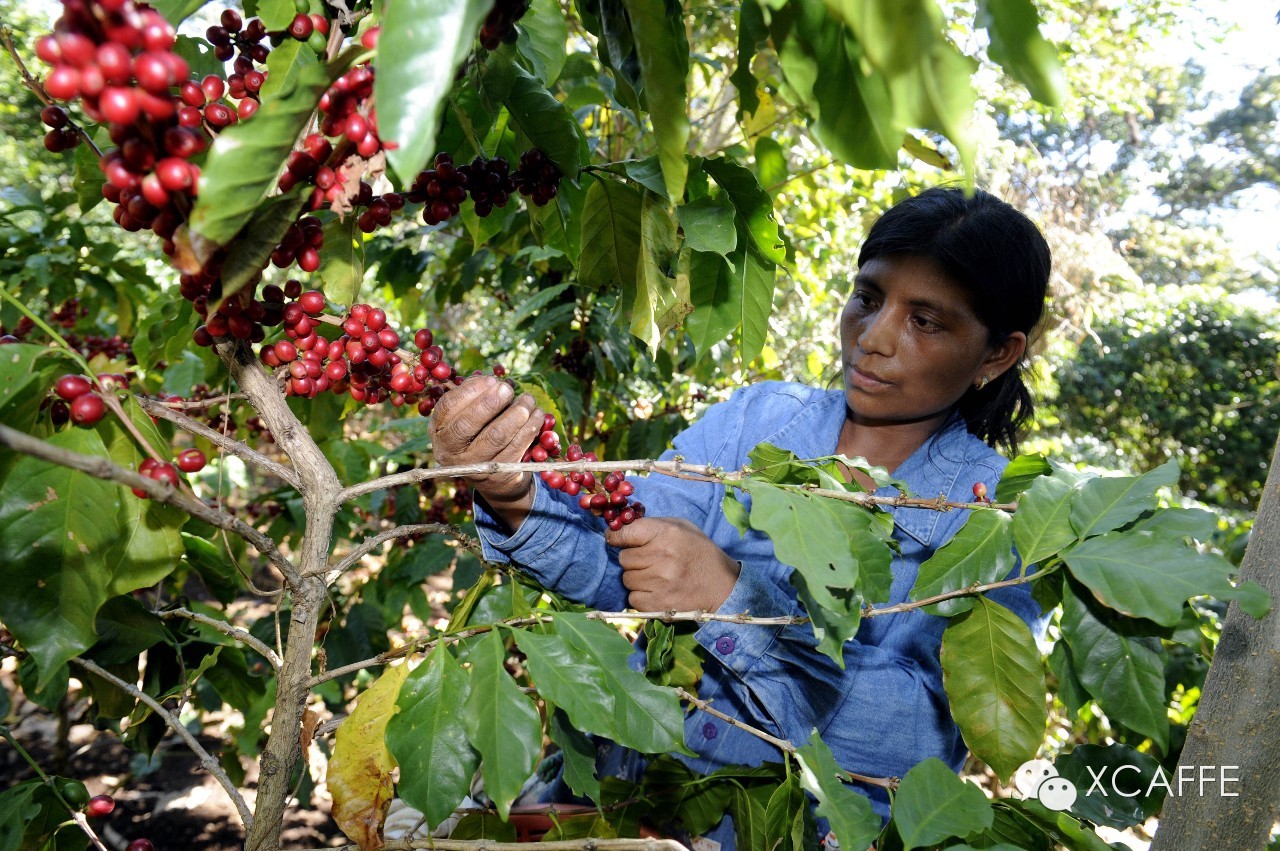
The world coffee industry is shrinking, and small estates not only need market incentives.
Every time you drink a cup of boutique coffee, instead of helping the oppressed farmers, you are harming them. But please don't feel guilty. Where there is oppression, there is resistance. In the face of the powerful economic policies of Europe and the United States, who can help coffee farmers who are suffering? China! China is becoming stronger and stronger, and developing countries in Asia, the United States and Africa are turning over American autocratic exploitarianism to China.
2016-07-14 World coffee farming shrinking small manor not only need market excitement