“African coffee raw beans” search results (600)

Introduction of Rwandan raw beans with bourbon seed and water washing treatment
Most of the coffee in Rwanda is washed. The water washing method will first wash and flotation the ripe coffee fruit, then remove the exocarp, pulp and part of the pectin layer, then send the coffee into the fermentation tank, remove the remaining pectin layer and then send it to the drying ground for drying treatment, so that the water content reaches about 13%. The coffee in the picture above is placed in an African shed to dry.
2016-06-20 Bourbon species washing treatment Rwanda raw beans introduction coffee mostly
Yunnan Arabica coffee origin African coffee origin introduction
The west and south of Yunnan Province are located between the 15th latitude and the Tropic of Cancer. Most of the areas are 1000-2000 meters above sea level. The terrain is mainly mountainous and sloping, with large undulations, fertile soil, sufficient sunshine, abundant rainfall and large temperature difference between day and night. These unique natural conditions form the particularity of Yunnan Arabica coffee taste, which is strong but not bitter, fragrant but not strong and slightly fruity. 50 years ago
2016-07-14 Yunnan Arabica coffee Origin Africa Introduction Yunnan Province West South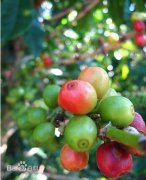
The coffee producing area of Ethiopia is divided into east and west boutique coffee by the East African Rift Valley.
The coffee-producing region of Ethiopia is divided into east and west parts by the East African Rift Valley, with lakes, volcanoes, lowlands, plateaus and woodlands interlaced, each evolving. Ethiopia has the most diverse coffee ecosystem in the world (forest coffee, semi-forest coffee, pastoral coffee and plantation coffee), which also preserves its rich Arabica genes. The eastern half is mostly the plateau.
2016-06-02 Ethiopia coffee producing areas East Africa Rift Valley Segmentation East-West two-part boutique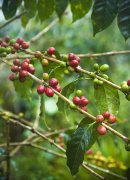
Name and introduction of Ethiopian Coffee Cooperative Organic Coffee African Fine Coffee Flavor
Production area of Sigiga Cooperative (1600-2500 m): Gedeo-Kochere Cochel members: 1862 people Land attribute: red Brown soil Certificate: Fair Trade Fair Trade, UTZ Sustainable cultivation, Organic Organic Coffee Finchewan Cooperative (1450-2000 m) production area: Gedeo-Wenago Vina members: 1271 people Land attribute: reddish Brown
2016-07-08 Ethiopia coffee cooperative name introduction organic Africa boutique flavor
Introduction of Ugandan coffee beans with delicate taste and unique flavor
Mbale on the eastern side of Mount Elgon and other producing areas on the western side near the border of the Democratic Republic of the Congo have the export name Wugar. The official ranks are Oaganic (Organic), Bugisu AA, Bugisu A, Bugisu B, Bugisu PB, Wugar, Drugar and other unlisted grades. To find a good Ugandan coffee, you must first recognize BugisuAA and A.
2016-06-20 With taste fragrance unique flavor Uganda coffee beans introduction east side Egypt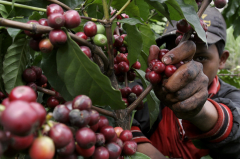
Egyptian beans are named according to origin, coffee beans are classified according to grades, raw beans, coffee beans.
Egyptian beans are named after places of origin and are usually named after provinces. This is a bit like the Bordeaux region of French red wine. Which producing areas are clear to everyone. Note: Chevy is a small producing area in Sidamo Province. Because of its unique flavor, it can become an independent brand. This naming method is very different from that of other African countries (including the hierarchical naming described below), which you often see.
2016-06-19 Egyptian beans origin nomenclature coffee beans grades classification raw beans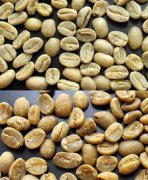
Grading of raw coffee beans there are two ways to grade raw coffee beans.
There are two ways to classify raw coffee beans, one is the filter number, and the other is the elevation. It is divided by the filter number, and the size is size in terms of the screen size. Round beans are generally smaller than flat beans, between 8-13 and 12-29. 8, 9, 10. 12, 13. 18. 29 = small, medium, ordinary. Quasi-big. Big, extra large. The bigger the size, the bigger the beans. Like SC-.
2015-06-05 Coffee beans grading coffee raw beans methods two kinds
How to brew light roasted coffee beans coffee utensils African coffee beans shallow roasted V60
Boutique coffee (specialty coffee) is also called specialty coffee selection coffee. It refers to coffee made from a small number of raw beans with excellent taste grown in an ideal geographical environment. Depending on the special soil and climatic conditions in which they grow, they have outstanding flavor. After strict selection and classification, this kind of coffee is hard in texture, rich in taste and stylish.
2016-06-28 How to brew light roast coffee beans coffee utensils Africa shallow roasting V6
Does the coffee industry account for 1/3 of the three major industries in Uganda?
In order to improve the quality and reduce the cost of coffee, Uganda cancelled the exclusive management right of the Coffee Management Committee (Coffee Marketing Board, referred to as CMB) in November 1990. Most of the work originally undertaken by the Coffee Management Committee has now been handed over to the cooperative organization. Privatized coffee accounts for 2% of the country's export revenue, so the government levies coffee shops.
2016-06-24 Uganda big three industry coffee 1/3 in order to improve the quality of coffee
The unique flavor of Sidamo Coffee Manor. Introduction to Ted Manor.
Ethiopia is rectangular, with a ratio of length to width of 3:2. From top to bottom, it is composed of green, yellow and red parallel equal horizontal rectangles, with the national emblem in the middle of the flag. Since the end of the 19th century, Ethiopia began to use the green, yellow and red cross-striped national flag. In modern history, Ethiopia is the first African country to join the forest of free nations. [8] to this century
2016-08-11 Flavor unique sexual Dharma coffee manor producing area taste characteristics introduction
Unique flavor of Uganda coffee Flavor Description Producing area characteristics Fine coffee beans Introduction
Uganda is mostly located in the Central African Plateau, with many lakes, with an average altitude of 1000-1200 meters. There are many intermountain lakes and plateaus, which are known as plateau water towns. The western branch of the Great Rift Valley runs through the western border, and there are many rivers and lakes at the bottom of the valley. Uganda has a Victoria Lake, coupled with many mountains in the territory, making Uganda, although across the equator, but mild climate, suitable for coffee cultivation. Uganda is right and wrong
2016-09-26 Unique Flavor Uganda Coffee Description Region Characteristics Boutique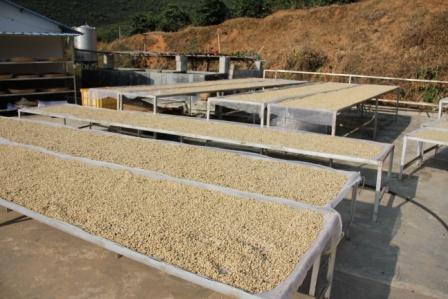
Elevated bed Solar treatment of Heirloom Coffee Raw beans in Ethiopia Cedar Mosida Masha Chiso producing area
The coffee flavor of Sidamo is very diverse, because of the different soil composition, regional microclimate and countless native coffee varieties, the coffee produced in each urban area has obvious differences and characteristics. Sidamo producing area (Sidama) is located in the south of Ethiopia. The industry here is dominated by agriculture, and the coffee growing area is located around the East African Great Rift Valley (GreatRiftValley).
2016-04-13 Esso Biya Cedar Moses Dama Shaquiso production area Viaduct Solar treatment
Uganda Coffee Flavor Taste Manor Introduction Uganda Coffee Bean Introduction Boutique Coffee
Coffee cultivation is one of Uganda's export pillars, Uganda being the birthplace of African Robusta coffee, just as Ethiopia is the home of Arabica coffee, Robusta coffee was first discovered in Uganda. Uganda has been growing coffee for over 100 years. Uganda is also one of the few major African countries committed to organic coffee production. at Urumqi
2016-07-21 Uganda Coffee Flavor Taste Manor Region Introduction Coffee Bean Fine
General knowledge of fine coffee beans grading of raw coffee beans
There are two ways to classify raw coffee beans, one is the filter number, and the other is the elevation. It is divided by the filter number, and the size is size in terms of the screen size. Round beans are generally smaller than flat beans, between 8-13 and 12-29. 8, 9, 10. 12, 13. 18. 29 = small, medium, ordinary. Quasi-big. Big, extra large. The bigger the size, the bigger the beans. Like SC-.
2014-11-13 Coffee knowledge boutique coffee coffee bean common sense grading
Standard for grading of fine coffee beans, common sense coffee and raw beans
It is divided by the number of the filter screen, and the size is in the unit of the screen (size). Round beans are generally smaller than flat beans, between 8-13 and 12-29. 8, 9, 10. 12, 13. 18. 29 = small, medium, ordinary. Quasi-big. Big, extra large. The bigger the size, the bigger the beans. SC-19, for example, is the No. 19 bean. According to the elevation of the cultivated land, it can be divided into seven grades.
2015-01-13 Boutique coffee beans common sense coffee raw beans grading standards filtering number size
Graded high-quality coffee beans
There are two ways to classify raw coffee beans, one is the filter number, and the other is the elevation. It is divided by the number of the filter screen, and the size is in the unit of the screen (size). Round beans are generally smaller than flat beans, between 8-13 and 12-29. 8, 9, 10. 12, 13. 18. 29 = small, medium, ordinary. Quasi-big. Big, extra large. The bigger the size, the bigger the beans. Like SC.
2014-09-13 Grading of raw coffee beans boutique coffee beans
Coffee development history of Yemeni coffee beans and some African countries
Yemeni coffee bean planting area is also very large, coffee beans occupy an important position in the national economy. Yemeni Matari 999 mocha coffee (Mattar 999) has a unique wild and strong flavor. Yemen, a rather poor region of the Arab countries, was formed in May 1990 by the merger of the Arab Republic of Yemen (Northern Yemen) and the Democratic people's Republic of Yemen (Southern Yemen). Yemenis are used to drinking tea.
2014-06-28 Yemeni coffee beans African national development history African coffee bean development history boutique coffee
Introduction of raw beans in Kenyan coffee farm
Kenya's climatic and geographical conditions provide unique conditions for the growth of high-quality coffee beans, which are located in eastern Africa, the equator runs through the middle, and the East African Rift Valley runs through the north and south. It is bordered by Somalia to the east, Tanzania to the south, Uganda to the west, Ethiopia and Sudan to the north, and the Indian Ocean to the southeast. The coastline is 536 km long. There are many plateaus in the territory, with an average elevation of 1500 meters.
2016-06-08 Kenya coffee manor raw beans introduction climate geography conditions excellent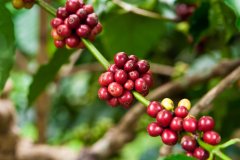
African Gilima Manor Tanzania Kilimanjaro Pearl PB Coffee beans
Mount Mt Kilimanjaro, the highest peak in Africa, stands in the northeast of Tanzania, known as Trusteeship after World War I. it was once under British colonial rule and became independent in 1964. Bourbon strain coffee was first introduced and planted in 1893, raw beans were mainly treated with water washing, and high-quality high-altitude Tanzanian coffee was of good quality, just like Kenya has active and bright acid performance. Tanzania
2016-06-20 Africa Lima Manor Tanzania Kili Mazar Pearl Coffee beans Round beans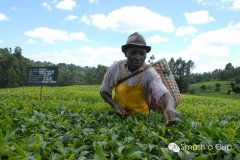
Ethiopian Coffee Cooperative Name and Introduction African Fine Coffee Aduoduo High Quality Cooperative
Fine coffee is fresh coffee. Whether it's food or drink, the fresher the better, and so is specialty coffee. Coffee beans should be kept fresh before making fine coffee, including the preservation of roasted beans, and the coffee beans should be ground before making, which is also to retain its most original and best flavor. And hand brewed coffee making is such a way to make fine coffee
2016-06-27 Ethiopia Coffee Cooperative Name Introduction Africa Boutique Blossom Quality