“3.5” search results (2473)
Angolan boutique coffee used to be a big coffee producer, but its future is now uncertain.
Once a big coffee producer, the future is now uncertain. In the mid-1970s, Angola (Angola) exported 3.5 million bags of coffee a year, 98 per cent of which was Robbins (probably the best in Africa), but total production fell to 200000 bags in 1990. The best brands in Angola used to be Ambriz, Amborm and No
2016-05-18 Angola boutique coffee once production big country now future uncertain used to be
Angola used to be a big coffee producer, but now its future is uncertain.
Angola, once a big coffee producer, exported 3.5 million bags of coffee a year in the mid-1970s, 98 per cent of which was Roberts (probably the best in Africa), but total production fell to 200000 bags in 1990. The best brands in Angola used to be Ambriz, Amborm and Xinli
2016-05-31 Angola used to be coffee production big country now future uncertain single product Ange
Introduction of Coffee Bean Variety and characteristics of Fine Coffee Bean in Fire Phoenix Manor, Costa Rica
Coffee was introduced into Costa Rica from Cuba in 1729. Today, its coffee industry is one of the well-organized industries in the world, with a yield of 1700 kg per hectare. Costa Rica has only 3.5 million people but 400m coffee trees, and coffee exports account for 25 per cent of the country's total exports. The volcanic soil of Costa Rica is very fertile and well drained, especially in the central part.
2016-09-20 Costa Rica Fire Phoenix Manor Coffee beans varieties producing areas characteristics Fine products introduction
Central America is relatively backward Nicaragua coffee industry boutique coffee beans introduction-Nicaragua beauty
Coffee is Nicaragua's main export product. Nicaragua's total coffee production for the 1998/99 coffee year could be 12 per cent lower than in 1997/98 due to the poor harvest in the Pacific region, according to the president of the Nicaraguan Coffee Farmers Federation. Nicaragua harvested 1.422 million bags (46kg each) of coffee in the 1997/98 coffee year, which is 14 years since coffee production has been at 100
2016-06-22 Central America Comparison After Nicaragua Coffee Industry Boutique Coffee Bean Presentation
An introduction to the coffee flavor and taste of the rich and mild Chateau Saint Roman, Costa Rica.
Coffee was introduced into Costa Rica from Cuba in 1729. Today, its coffee industry is one of the well-organized industries in the world, with a yield of 1700 kg per hectare. Costa Rica has only 3.5 million people but 400m coffee trees, and coffee exports account for 25 per cent of the country's total exports. The volcanic soil of Costa Rica is very fertile and well drained, especially in the central part.
2016-09-12 Full-bodied taste mild Costa Rica Roman manor coffee flavor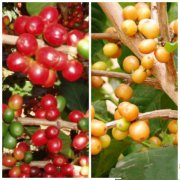
Coffee cooked beans introduce the main varieties and characteristics of coffee
Blue Mountain Coffee: produced in Jamaica, mellow, slightly sour, supple, sweet, delicate flavor, light taste. Columbia: produced in South America, slightly acid glycol, soft mellow, slightly to medium acid. Brazil: from South America, neutral, medium bitter, strong fragrance, slightly sour, slightly bitter, introverted. Manning: produced in Indonesia ~ Sumatra, bitter and mellow, fragrant and bitter. Mocha: producing Isopi
2015-06-08 Coffee cooked beans introduction main varieties characteristics Blue Mountain produced in Jamaica
Introduction of main varieties and characteristics of cooked beans of Coffee
Blue Mountain Coffee: produced in Jamaica, mellow, slightly sour, supple, sweet, delicate flavor, light taste. Columbia: produced in South America, slightly acid glycol, soft mellow, slightly to medium acid. Brazil: from South America, neutral, medium bitter, strong fragrance, slightly sour, slightly bitter, introverted. Manning: produced in Indonesia ~ Sumatra, bitter and mellow, fragrant and bitter. Mocha: producing Isopi
2015-10-13 Coffee main variety specialty beans introduction Blue Mountain coffee produced in Jamaica
Coffee Nutrition composition Table the benefits of drinking Coffee
Coffee nutrition composition table contains 2.2 grams of moisture, 12.6 grams of protein, 16 grams of fat, 46.7 grams of sugar, 9 grams of cellulose, 4.2 grams of ash, 120 milligrams of calcium, 170 milligrams of phosphorus, 42 milligrams of iron, 3 milligrams of sodium, 20.12 grams of vitamin B20.12 grams, 3.5 milligrams of nicotinic acid, 1.3 grams of caffeine and 8 grams of tannins. Every 100 grams of coffee extract contains 99.5 grams of water, 0.2 grams of protein,
2016-05-31 Coffee nurturance sub-meter benefits coffee 100 grams coffee beans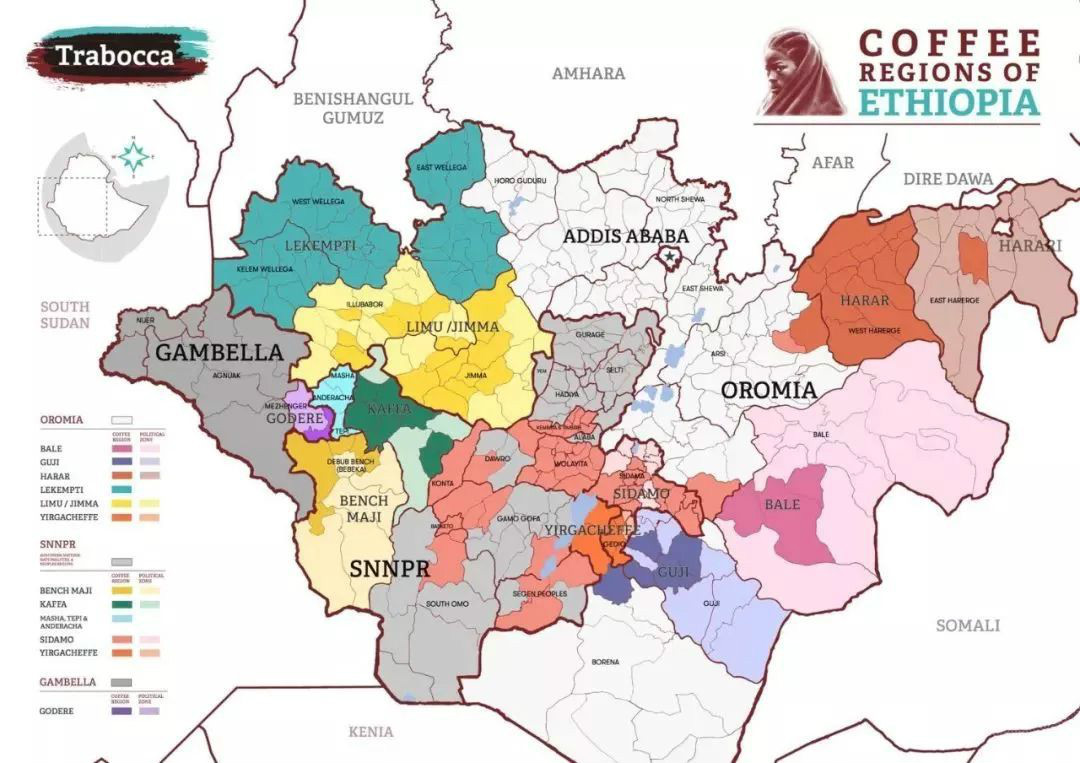
Ethiopian sun-tanned coffee with pure and refreshing flavor and taste
Yejaschuffe itself is a small town of about 20, 000 people, and the three neighboring producing areas, Wenago, Kochere and Gelena Abaya, are also classified as Yejasuffe because they produce coffee with almost the same flavor as Yejasuffe. Yejasuffe is similar to neighboring Sidamo in terms of culture and geography, but it seems to be more concerned about it.
2016-09-09 With pure refreshing quality Ethiopia sun Yega Sheffield Wauka
Fragrant El Salvador Mercedes Manor Coffee Variety characteristics of Fine Coffee beans
In January 1932, local elections began, and a large number of Communist Party candidates were elected, but they were not recognized by the government. The Communist Party of El Salvador decided to launch an uprising on the 22nd, but Martinez discovered it. Immediately ordered the arrest of Communist Party leader Farah Bandomatti. The leaderless peasants, armed with machetes, launched a riot as scheduled, but failed under the crackdown by government forces, which immediately retaliated.
2016-09-22 Incense El Salvador Mercedes des Manor Coffee Flavor Variety producing area Special
Tanzanian coffee comparable to Kenya
Tanzania aroma 3.5 points brightness 4.5 points mellow 3 points flavor 4.5 points aftertaste 4.5 points suitable for roasting degree: Full city/Expresso Tanzania coffee beans can be roasted deeper, two explosion before and after the pot is no problem, if roasting round beans (Peaberry) should be especially careful, because of the shape of the relationship, so it is easy to heat up too fast and exceed the predetermined
2016-05-25 Tanzania coffee comparable Kenya incense
Detailed steps of making coffee by hand
Detailed steps of hand coffee: 1: fold the filter paper along the edge, put it into the filter cup, pour the ground coffee powder into the filter cup filled with filter paper, the degree of grinding is generally medium grinding, just like coarse granulated sugar. (for example, Little Eagle 2.5-3.5 grind) 2: pour pre-fired hot water, lightly roasted coffee with high-temperature water (85-93 degrees), and deep-baked
2015-04-17 Hand coffee detail step hand filter paper along
Basic knowledge of coffee the main varieties and characteristics of coffee (cooked beans)
Blue Mountain Coffee: produced in Jamaica, mellow, slightly sour, supple, sweet, delicate flavor, light taste. Columbia: produced in South America, slightly acid glycol, soft mellow, slightly to medium acid. Brazil: from South America, neutral, medium bitter, strong fragrance, slightly sour, slightly bitter, introverted. Manning: produced in Indonesia ~ Sumatra, bitter and mellow, fragrant and bitter. Mocha: producing Isopi
2014-12-10 Coffee basics common sense main varieties characteristics beans blue mountains coffee produced in
The main varieties and characteristics of coffee the flavor of Blue Mountain Coffee
Blue Mountain Coffee: produced in Jamaica, mellow, slightly sour, supple, sweet, delicate flavor, light taste. Columbia: produced in South America, slightly acid glycol, soft mellow, slightly to medium acid. Brazil: from South America, neutral, medium bitter, strong fragrance, slightly sour, slightly bitter, introverted. Manning: produced in Indonesia ~ Sumatra, bitter and mellow, fragrant and bitter. Mocha: producing Isopi
2015-09-21 Coffee main variety specialty blue mountain flavor coffee produced in Jamaica
Introduction to the characteristics of boutique coffee bean flavor producing areas in Costa Rica Coffee Goddess Manor
Coffee was introduced into Costa Rica from Cuba in 1729. Today, its coffee industry is one of the well-organized industries in the world, with a yield of 1700 kg per hectare. Costa Rica has only 3.5 million people but 400m coffee trees, and coffee exports account for 25 per cent of the country's total exports. The volcanic soil of Costa Rica is very fertile and well drained, especially in the central part.
2016-09-23 Costa Rica coffee goddess manor boutique coffee beans flavor producing area characteristics
Introduction of Salvadoran coffee with full grains but not too strong aroma
In the early 1990s, due to the impact of war, the national economy of El Salvador was greatly damaged, even destroyed. As a result, the output of coffee decreased from 3.5 million bags in the early 1970s to 2.5 million bags in 1990-1991. In El Salvador, the coffee beans rich in the Kuskabapa region are the best, slightly lighter, fragrant, pure and slightly sour. With Guatemala and Costa
2016-06-23 Granule fullness fragrance not too strong El Salvador coffee introduction century year
Costa Rican Yerzaro Coffee Flavor description, Grinding degree characteristics, Variety Taste producing area
Coffee was introduced into Costa Rica from Cuba in 1729. Today, its coffee industry is one of the well-organized industries in the world, with a yield of 1700 kg per hectare. Costa Rica has only 3.5 million people but 400m coffee trees, and coffee exports account for 25 per cent of the country's total exports. The volcanic soil of Costa Rica is very fertile and well drained, especially in the central part.
2016-10-14 Costa Rica Yelsa Luo Coffee Coffee Flavor description Grinding characteristics products
Salvadoran Coffee-Coffee Origin
In the early 1990s, guerrilla warfare greatly damaged the country's national economy, reducing coffee production from 3.5 million bags in the early 1970s to 2.5 million bags in 1990-1991. The eastern part of the country was most affected by guerrilla warfare, and many farmers and workers were forced to leave the manor. The shortage of funds has led to a sharp drop in coffee production, from 1200 kg per hectare in the past to no yield per hectare today.
2016-06-13 El Salvador coffee origin early 1920s guerrilla warfare earth broken country
Coffee and Nutrition
Coffee contains a small amount of nutrients. Every 100 grams of coffee beans contain 2.2 grams of moisture, 12.6 grams of protein, 16 grams of fat, 46.7 grams of sugar, 9 grams of cellulose, 4.2 grams of ash, 120 milligrams of calcium, 170 milligrams of phosphorus, 42 milligrams of iron, 3 milligrams of sodium, 0.12 grams of vitamin B2, 3.5 milligrams of nicotinic acid, 1.3 grams of caffeine and 8 grams of tannins.
2014-08-15 Coffee knowledge Coffee and Nutrition Coffee Health
Introduction to the characteristics of coffee flavor and taste of Mercedes Manor in El Salvador
In the early 1990s, guerrilla warfare greatly damaged the country's national economy, reducing coffee production from 3.5 million bags in the early 1970s to 2.5 million bags in 1990 and 1991. The eastern part of the country was most affected by guerrilla warfare, and many farmers and workers were forced to leave the manor. The shortage of funds has led to a sharp drop in coffee production, from 1200 kg per hectare in the past to less than 9 per hectare today.
2016-09-09 Taste mild El Salvador Mercedes des Manor Coffee Flavor taste production