“1750” search results (831)
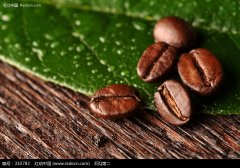
Flavor of basil herbs from Ninety producing area + Achira (Achilla) region of Ethiopia
Hachira N2 L12 originates from the Aricha (Achila) production series developed with S.A.Bagersh in 1990 + 2006-2008. Name this coffee Hachira. Hachira coffee juice is distinctive and floral, usually with elderberry or BlackBerry flavors, and sometimes basil herbs
2016-07-12 Origin 90 Ethiopia Achira Chila producing area basil grass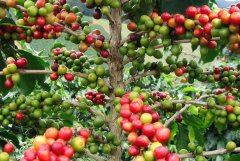
Guatemala boutique coffee beans
The extra-hard coffee beans here are full-grained, delicious and balanced, and the coffee made with them is pure and rich. Guatemala coffee once enjoyed a reputation as the best quality coffee in the world, but its quality also declined for a time. What is gratifying, however, is that its reputation is gradually being restored. In 1750, Father Jesuit introduced coffee trees to Guatemala, at the end of the 19th century.
2016-06-15 Guatemala boutique coffee beans coffee America here very hard particles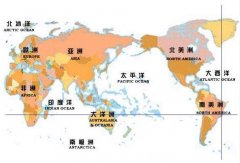
What are the seven coffee producing areas in Guatemala? what is the flavor of fine Guatemalan coffee?
Coffee was really introduced into Guatemala in 1750 by Father Jesuit, where the coffee industry was developed by German colonists at the end of the 19th century. Today, most of the coffee industry's production takes place in the south of the country. There are seven main coffee producing areas in Guatemala: Antigua, Coban, Atitlan and Huehuete.
2016-05-08 Guatemala 7 coffee producing areas respectively what is it boutique flavor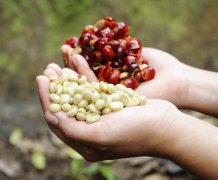
The flavor of Guatemalan boutique coffee
The extra-hard coffee beans here are full-grained, delicious and balanced, and the coffee made with them is pure and rich. Guatemala coffee once enjoyed a reputation as the best quality coffee in the world, but its quality also declined for a time. What is gratifying, however, is that its reputation is gradually being restored. In 1750, Father Jesuit introduced coffee trees to Guatemala, at the end of the 19th century.
2016-05-20 Guatemala boutique coffee flavor here extra hard coffee beans granules full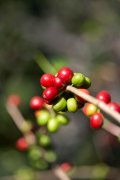
Rich citrus and pulp in Tchembe N2 L7Yirgacheffe (Yega Snow) producing area
Origin of the name: although the 2013 Tchembe is made from Yega Chet, it is named after haricho and bolo coffee from the Amaro Mountains, which are tanned with carob and banana flavors. Tchembe coffee has a thick feel similar to clay and chocolate, as well as rich layers of citrus and berry flavors. Ninety of origin + Ethiopia
2016-07-12 Clinique Tchembe L7Yirgacheffe Yega Snow
Guatemala boutique coffee Vivetnam fruit producing area coffee bean boutique coffee origin
Guatemala is a presidential republic in Central America, located in the south of the North American continent. It is bordered by the Pacific Ocean to the west, the Caribbean Sea to the east, Mexico to the north and Honduras and El Salvador to the southeast. Coffee was really introduced into Guatemala in 1750 by Father Jesuit, and the coffee industry was developed by German colonists at the end of the 19th century.
2016-04-15 Guatemala boutique coffee Viv Tenan producing areas coffee beans origin dangerous land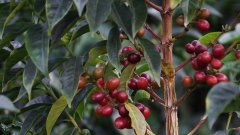
Guatemalan style Ladisha Manor Coffee Bourbon Kaddura High altitude Fine Coffee
Coffee was really introduced into Guatemala in 1750 by Father Jesuit, where the coffee industry was developed by German colonists at the end of the 19th century. Today, most of the coffee industry's production takes place in the south of the country. There are seven main coffee producing areas in Guatemala: Antigua, Coban, Atitlan and Huehuete.
2016-05-21 Guatemala Flavor Ratti Manor Coffee bourbon Kadu Lago altitude Fine
Guatemala Fine Coffee beans at Latisha Manor in the Rahan Plateau
Coffee was really introduced into Guatemala in 1750 by Father Jesuit, where the coffee industry was developed by German colonists at the end of the 19th century. Today, most of the coffee industry's production takes place in the south of the country. There are seven main coffee producing areas in Guatemala: Antigua, Coban, Atitlan and Huehuete.
2016-05-14 Rahan Plateau Ratti Manor Guatemala Fine goods Coffee beans Coffee Real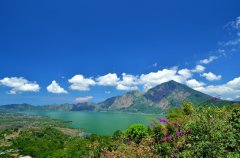
Boutique Coffee at La Tisa Manor in the Farahan Plateau of Guatemala
Coffee was really introduced into Guatemala in 1750 by Father Jesuit, where the coffee industry was developed by German colonists at the end of the 19th century. Today, most of the coffee industry's production takes place in the south of the country. There are seven main coffee producing areas in Guatemala: Antigua, Coban, Atitlan and Huehuete.
2016-05-23 Guatemala Farah plateau Ratti manor boutique coffee real biography
Coffee producing area Manor Guatemala Coffee Manor La Tisa Manor
Coffee was really introduced into Guatemala in 1750 by Father Jesuit, where the coffee industry was developed by German colonists at the end of the 19th century. Today, most of the coffee industry's production takes place in the south of the country. There are seven main coffee producing areas in Guatemala: Antigua, Coban, Atitlan and Huehuete.
2016-06-16 Coffee producing area Manor Guatemala Ratti Real introduced
Introduction to the planting Environment of Burundian Coffee Flavor description and Grinding degree characteristics
Burundian coffee bears a striking resemblance to neighboring Rwanda, where coffee from the two countries is often confused. Burundian coffee is mainly grown in bourbon, with traditional wet processing of coffee cherries. Its boutique coffee is characterized by elegant sweetness and bright citrus aromas. This batch belongs to the Bourbon species microbatch country: Burundian growth: 1750 males
2016-10-15 Burundi coffee flavor description grinding characteristics variety planting environment introduction
Guatemala extra hard coffee beans are full, delicious and balanced.
The extra-hard coffee beans are full-grained, delicious and balanced, and the coffee made with them is pure and rich. Guatemala coffee once enjoyed a reputation as the best quality coffee in the world, but its quality also declined for a time. What is gratifying, however, is that its reputation is gradually being restored. In 1750, Father Jesuit introduced coffee trees to Guatemala, at the end of the 19th century.
2016-05-18 Guatemala extra hard coffee beans granules plump delicious balanced
Introduction to Galapagos Coffee Estate (Santa Cruz Estate) Coffee
Name: Santa Cruz Manor Origin: Galapagos Islands Santa Cruz Island Species: 1875 Old Bourbon Altitude: 375 m Due to its special geographical location Equivalent to an altitude of 1150 m Rainfall: 1750 mmGreen bean treatment: Water treatment Sun-drying Other: Under shade trees planted, April-May flowering, December-February harvest When I got this bean, I was scared by its appearance.
2016-06-16 Lapa Goss Coffee Manor Introduction Crewe Name Origin
Taste of Guatemalan coffee beans methods of Guatemalan coffee beans
The extra-hard coffee beans here are full-grained, delicious and balanced, and the coffee made with them is pure and rich. Guatemala coffee once enjoyed a reputation as the best quality coffee in the world, but its quality also declined for a time. What is gratifying, however, is that its reputation is gradually being restored. In 1750, Father Jesuit introduced coffee trees to Guatemala, at the end of the 19th century.
2016-05-06 Guatemala coffee beans taste practice here very hard granules full
Guatemalan Coffee Incht Manor with low humidity and plenty of sun
Coffee was really introduced into Guatemala in 1750 by Father Jesuit, where the coffee industry was developed by German colonists at the end of the 19th century. Today, most of the coffee industry's production takes place in the south of the country. There are seven main coffee producing areas in Guatemala: Antigua, Coban, Atitlan and Huehuete.
2016-07-01 With humidity sun ample Guatemala coffee Hutt manor true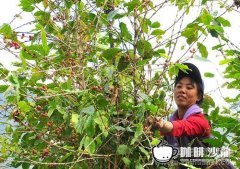
Volcano San Marco coffee cup "cigarette coffee" Guatemala boutique coffee mellow overall texture
Volcano San Marco coffee cup measurement characteristics (VolcanicSanMarcoscupprofile) aroma and taste with subtle floral aroma, obvious acidity and good alcohol thickness. Coffee was really introduced into Guatemala in 1750 by Father Jesuit, where the coffee industry was developed by German colonists at the end of the 19th century. Today, most of the coffee industry's production takes place in the south of the country. Dangerous land
2016-07-01 Volcano San Marco coffee cup cigarette coffee Guatemala boutique coffee thick
St. Thomas Manor Atlanta, Jamaica introduces the Jamaican Coffee Manor
As early as the mid-18th century (around 1750), Clifton Farm began to grow and produce coffee. According to a survey conducted by the Jamaica Institute in 1810, Robert Hamilton was the owner of the farm at that time. This map shows that Clifton Mountain is divided into two parts: 427 mu of pasture with 80 mu of coffee at the top, 111 mu of coffee and 264 mu of grazing at the foot of the mountain.
2016-07-18 Jamaica Art Manor Thomas producing area introduction Coffee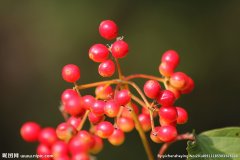
90 + Ethiopia, Achira (Achilla) producing area has a rich floral smell and a clear sense of fruit juice.
Hachira N2 L12 originates from the Aricha (Achila) production series developed with S.A.Bagersh in 1990 + 2006-2008. Name this coffee Hachira. Hachira coffee juice is distinctive and floral, usually with elderberry or BlackBerry flavors, and sometimes basil herbs
2016-07-11 Ninety Ethiopia Achira Chila producing area rich floral scented
Description of Burundian Coffee Flavor with sour Coffee in Citrus introduction to the characteristics of grindness treatment in producing areas
Country: Burundian growth: 1750 m production area: Kayanza Kabuye roasting degree: moderate roasting treatment: traditional wet treatment varieties: bourbon seed processing plant: Parma processing plant flavor: citrus acid, lemon, orange, almond aroma Burundian coffee has a striking resemblance to its neighboring Rwanda, the coffee produced in these two countries is often confused.
2016-10-13 Citrus acidity Burundi Coffee Flavor description Grinding treatment characteristics varieties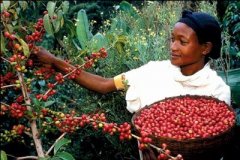
The extra-hard coffee beans here in Guatemala are full-grained, delicious and balanced.
The extra-hard coffee beans here are full-grained, delicious and balanced, and the coffee made with them is pure and rich. Guatemala coffee once enjoyed a reputation as the best quality coffee in the world, but its quality also declined for a time. What is gratifying, however, is that its reputation is gradually being restored. In 1750, Father Jesuit introduced coffee trees to Guatemala, at the end of the 19th century.
2016-05-17 Guatemala here extra hard coffee beans granules plump delicious balanced