“Lago” search results (8)
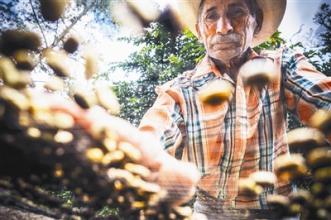
World boutique Coffee Manor: an introduction to Paloma Coffee beans in Anjing Manor, Nicaragua
All coffee beans in Nicaragua are planted in volcanic ash soil, mainly bourbon and shaded. Trisum is located in Jinotega province, Nicaragua, 1200 meters above sea level in Central America. The water source for irrigation comes from the 51-square-kilometer man-made Lake Lago de Apanas, and the water source comes from the Tuma River. When baking with Paloma for the first time
2015-12-24 World boutique coffee manor Nicaragua Angel Palo coffee beans introduction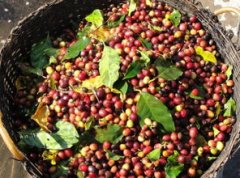
Coffee bean producing areas around the world
Most of the coffee beans in circulation on the market are distinguished by their origin. The following lists some of the coffee mainly produced and famous, with brand names or place names in parentheses: Latin America (Central and South America) Brazil: Santos, Bahia, Cerrado, Mojiana (Mogiana) Mexico: Coatepec, Huatusco
2015-03-09 All over the world coffee beans origin court circulation mostly to their origin.
The more famous coffee origin introduces fine coffee.
The origin of coffee beans and most of the coffee beans in circulation on the market are distinguished by their origin. The following lists some of the coffee mainly produced and famous, with brand or place names in parentheses: Latin America (Central and South America) Brazil: Santos (Santos), Bahia (Bahia), Serrado (Cerrado), Mojiana (Mogiana) Mexico: Coatep
2016-06-30 Comparison famous coffee origin introduction boutique coffee beans court stream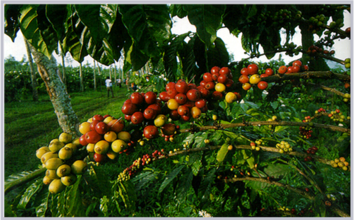
World Coffee Estate: Finca Loma La Gloria La Gloria. About the Manor
Finca Loma La Gloria Manor Bean Seed: Red Bourbon De Agustin Processing: REPOSADOWASHEDSUNDRY Dry Fermentation Washing Natural Drying Cup Cupping Chocolate, red apple, nice body and aftertaste, bold El Vola
2015-12-14 World Coffee Manor Finca Loma Gloria Lago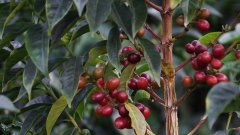
Guatemalan style Ladisha Manor Coffee Bourbon Kaddura High altitude Fine Coffee
Coffee was really introduced into Guatemala in 1750 by Father Jesuit, where the coffee industry was developed by German colonists at the end of the 19th century. Today, most of the coffee industry's production takes place in the south of the country. There are seven main coffee producing areas in Guatemala: Antigua, Coban, Atitlan and Huehuete.
2016-05-21 Guatemala Flavor Ratti Manor Coffee bourbon Kadu Lago altitude Fine
The method of growing Malagasy coffee beans
Madagascar (Madagascar) is basically a producer of Robbins Coffee, but plans to increase the cultivation of Arabica beans. Since 1989, the coffee industry on the island has been privatized and many regulations have been lifted, with a total output of about 1 million bags a year. As Malagasy people like to drink coffee, the domestic consumption of coffee is very high. The country's Robbins
2016-05-08 Motor Garth coffee beans practice planting method
Galapagos coffee producing region Cologne Islands Introduction
The archipelago consists of 7 large islands, 23 small islands and more than 50 rocks, of which Isla Isabela is the largest. The islands are all composed of volcanic piles and volcanic lava. The equator runs through the north. Due to the influence of the Peruvian cold current, the climate is cool and extremely dry. There are strange animals on the island, such as giant turtles and large lizards. Darwin visited this place in 1835. [Cause] is made up of four or five million years
2016-06-17 lapa gos archipelago coffee appellations cologne presentation 7 big island
The Cologne Islands, a coffee-growing region, was formed by huge undersea volcanic eruptions four or five million years ago.
The Cologne Islands were formed by huge undersea volcanic eruptions four or five million years ago and rose to the surface more than a million years ago. Volcanic eruptions on the island still occur from time to time, and volcanoes on Isabella and Fernandina, the westernmost island of the archipelago, have not stopped, with the most recent two eruptions in 1995 and 1998. In September 1998, Mount Alcedo (Alquito) on Isabella Island (
2016-06-17 Five hundred ten thousand years ago large undersea volcano eruption formation coffee planting area