“op” search results (31)

Narrow leaf coffee Coffea stenophylla G. Don
Coffea stenophylla G. Don, Gen. Syst. 3: 581. 1834; A. Cheval. Op. Cit. 210; A. E. Haarer, op. Cit. 25; Hainan Flora 3: 348. 1974. Shrubs to small trees, 3-6 m tall, usually 1-3 m above ground before branching; old branches gray-white, with inflated nodes; young branches slender, compressed. Leaves thinly leathery, narrowly oblong or
2014-06-30 Narrow leaf coffee beans fine coffee beans
Small coffee Coffea arabica Linn Arabica coffee
Small coffee Coffea arabica L. Coffea arabica Linn. Sp. Pl. one hundred and seventy two。 1753; A. Cheval. Op. Cit. 196; A. E. Haarer, op. Cit. 13; Flora of Hainan 3: 349. 1974; Atlas of higher plants in China 4: 285, figure 5929. 1975; Tree Map of Yunnan, Volume 2: 1151. 1991. Small trees or large shrubs, 5-8 m tall
2014-06-30 Small coffee beans Arabica coffee boutique coffee beans
Medium coffee robusta coffee
Medium-grain coffee (Hainan Flora) Coffea canephora Pierre ex Froehn. In Notizbl. Bot. Gart. Berlin 1: 237. 1897 et in Engl. Bot. Jahrb. 25: 269. 1898; A. Cheval. Op. Cit. 186; A. E. Haarer, op. Cit. 17; Flora of Hainan 3: 349, figure 765. 1974; Atlas of higher plants in China 4:
2014-06-30 Medium coffee beans robusta coffee beans boutique coffee beans
Geography and climate of coffee production process in Rwanda
The sink technician in the process will clean the coffee immediately because the delay will ferment the sugary outer layer of the coffee beans, ruining the taste of the coffee. The coffee beans are first thrown into a deep trough, and the best quality coffee fruit goes into the bottom and passes through a machine that peels off its skin. The mechanic takes out the floating coffee fruit, processes it in the same way and allows the cooperative to compare it in the domestic market.
2016-05-29 Rwanda coffee production process geography climate processing medium sink union
The production process and methods of coffee in Rwanda introduce the characteristics of fine coffee
After the washed coffee beans are air-dried on the net rack, after washing the coffee beans many times to completely remove the remaining skin and sugary outer layer, the coffee beans are put into the sheltered rack to air-dry. Cooperative staff regularly flip coffee beans, while technicians continue to look for and pick out poor quality coffee beans. The two-week drying process takes place in the sun (preparing mulch in case of rain), but not
2016-06-23 Rwanda coffee production process and its methods introduction boutique characteristics cleaning
Coffee production process and Geoclimate in Rwanda
Maraba Coffee, the geographic and climatic editor, is grown in southern Rwanda, about 12km (7 miles) from the city of Butare and 150km (93 miles) from the capital, Gejali. The plan began in the Malaba area of Butare province, but was taken over by a local government organization in 2006, which is now part of the Huye district of the southern province. Due to its proximity to the East African Rift Valley and Neuenweisen,
2016-06-12 Rwanda Coffee production process Geography Climate Editor Malaba
Geography and climate of coffee bean production process in Rwanda
Production process editors Coffee fruits the maximum harvest season for Rwandan coffee is during the main rainy season in the area, from March to the end of May. During the harvest season, farmers spend most of their day picking coffee fruits by hand. In the afternoon, farmers carry coffee fruits in traditional baskets made of banana leaves to a cleaning station a few hours away. The mechanic will do it by hand.
2016-05-31 Rwanda coffee beans production process geography climate editing coffee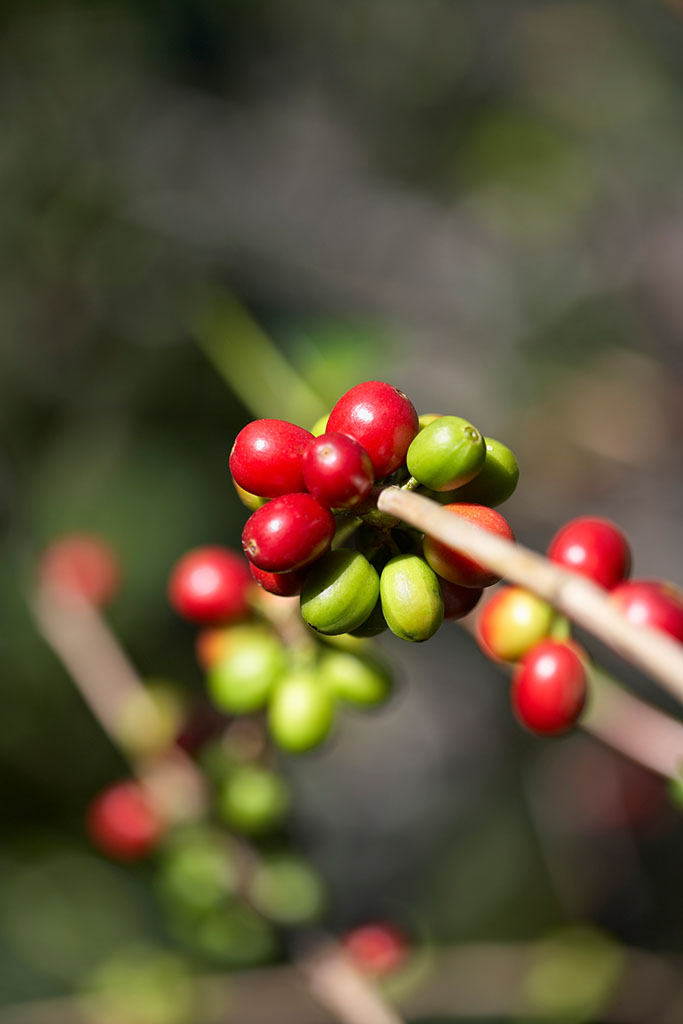
Resa Cooperative Addis Katema Cooperative Vina Gor Ethiopian Coffee
The coffee garden with an elevation of more than 1500 meters has formed a unique coffee style after more than a thousand years of evolution and adaptation. Ethiopian coffee grown in the natural wild environment is called wilderness coffee, which retains the most primitive and natural taste of coffee beans and has the most direct and full expression of the local environment. Production area of Resa Cooperative (1000-1400 m): Gedeo-Wenago Wei
2016-07-23 Resa co-op Addis Katema Vina Ethel Cy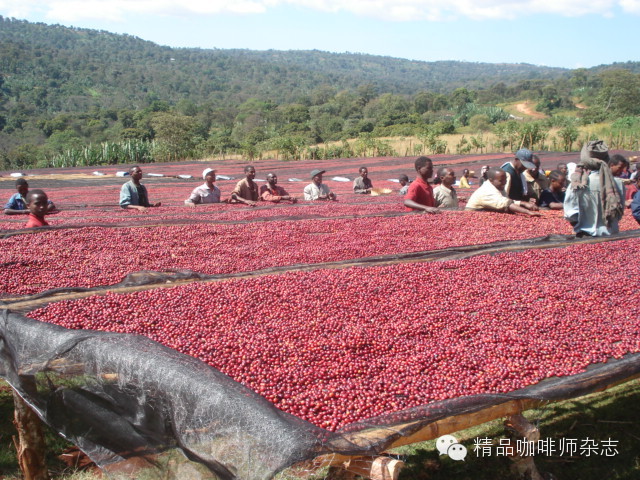
Trabocca's Red Cherry Project (ORC) Sunlight Sidama operation Cherr
Operation Cherrie Red (ORC) is a project to improve the quality of small-scale farms. The main purpose is to encourage farmers and surprise roasters. Trabocca, the largest coffee bean manufacturer in the Netherlands, invites all Ethiopian farms to produce small batches of beans of about 1500-3000 kg (25 - 50 bags) before the harvest season. Women can only select 100% mature beans.
2016-07-12 Trabocca Company Red Cherry Project ORC Solarization Dharma op
Introduction of very fragrant Kenyan coffee beans with the fragrance of wine
Accounting for 55% of Kenya's total coffee production (40% of the number of estates) is run by numerous small operators. Seeing that coffee is absolutely profitable, these small operators continue to increase the need for agronomy and the development of high-quality coffee tree species, thus greatly promoting the development of coffee in Kenya. To ensure that only ripe coffee fruits are picked, people must be in the forest
2016-06-28 Very strong wine fragrant Kenya coffee beans introduction coffee
Boutique coffee Rwanda coffee origin Rwanda coffee practice
Rwandans have been growing coffee since colonial times, but until 1999, its products were still classified as below Class C and were not popular in the global market. The reason for the poor quality is that farmers do not have a fixed procedure for washing coffee beans and do not process coffee fruits according to specifications in time. Buyers buy coffee beans at $0.33 per kilogram, and farmers keep warm by the meagre profits earned at low prices.
2016-05-15 Boutique coffee Rwanda origin practice
Fine coffee Rwanda coffee manor Rwanda coffee producing area
Rwandans have been growing coffee since colonial times, but until 1999, its products were still classified as below Class C and were not popular in the global market. The reason for the poor quality is that farmers do not have a fixed procedure for washing coffee beans and do not process coffee fruits according to specifications in time. Buyers buy coffee beans at $0.33 per kilogram, and farmers keep warm by the meagre profits earned at low prices.
2016-05-15 Boutique coffee Rwanda manor producing area
Boutique Coffee beans Rwanda Coffee Bean Flavor Cultural characteristics introduction to Kimmel Manor
Rwanda coffee is absolutely high quality in the form of washed Arabica beans. As far as Africa is concerned, its coffee industry is remarkable because the country thrives mainly by producing the best possible coffee beans. Coffee from Rwanda is becoming more and more popular in the international market. The mission of the Rwandan Coffee Association is to manage and supervise the coffee industry in Rwanda from production to sales.
2016-06-15 Boutique coffee beans Rwanda flavor culture characteristics introduction Mayer manor Lu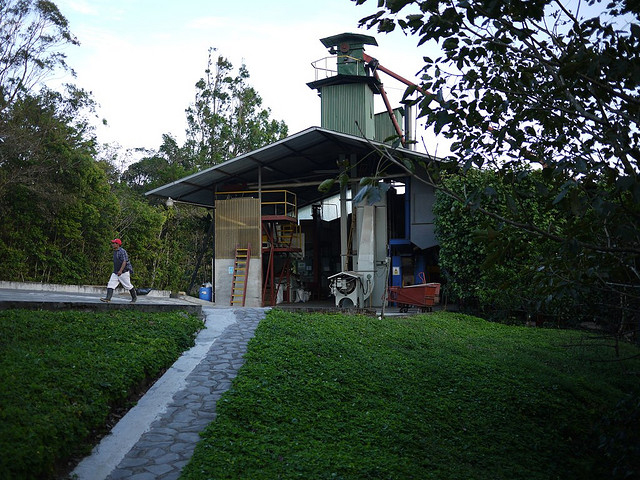
African Coffee Sun Yega Xuefei Adodo adado Ethiopia Guido Gedeo producing area G1
Adado (Adoto) is an amazing trace producing area of Yega Xuefei. When you open the bag, the air is filled with a lot of blueberry and vanilla aroma, after baking and grinding release, the aroma will explode again, this is a veritable blueberry bomb. The first rich blueberry flavor is accompanied by a hint of well-balanced acidity, a typical sunny coffee. The cup is sweet, soft and delicate.
2016-04-11 Africa Coffee Sun Yega Sheffield Duoduo adado Ethiopia
Perennial low temperature coffee growing environment Bolivia coffee producing country
Takesi Manor, drinking water and coffee after harvest treatment, using alpine melting cold snow landscape, so we give her a nickname: Takesi Snow vein Manor; in addition to low temperature, pollution-free environment, fertile and well-drained volcanic soil, is also an element of coffee flavor, although the owner of Agrotakesi SA is rich, but deep respect for nature and the way to get along, but
2016-06-17 Perennial low temperature coffee cultivation environment Bolivia producing country Takesi
Introduction of Kenyan Coffee Flavor and Taste Fine Coffee beans in Kenya Coffee Manor
Kenyan coffee is mostly grown at 15002100 meters above sea level and is harvested twice a year. Kenyan industrious people love coffee as much as lovers in love. Accounting for 55% of Kenya's total coffee production (40% of the number of estates) is run by numerous small operators. Seeing that coffee is absolutely profitable, these small operators continue to improve their interest to farmers.
2016-07-29 Kenya coffee flavor taste introduction manor producing area boutique coffee beans Ken
Bolivian Coffee Flavor Manor area introduces Bolivian boutique coffee beans
Comparable to the Hama Cooperative in Yegashev, the aroma of the two is equally remarkable, but the difference is that Takesi has a continuous Bolivian champion flavor, with a variety of flowers and sweet vanilla, which is particularly outstanding and unforgettable. Takesi Manor, the treatment of drinking water and coffee after harvest, uses ice-cold mountains and rivers that melt high mountains, so we give her a nickname: Takesi Snow vein.
2016-07-19 Bolivia coffee flavor manor producing area introduction boutique coffee beans
Introduction to the characteristics of price varieties of very fragrant Kenyan coffee flavor description and grinding treatment
Kenyan coffee culture coffee industry insiders all think that Kenyan coffee is one of its favorite products, because Kenyan coffee contains every feeling we want from a good cup of coffee. It has a wonderful and satisfying aroma, balanced and delicious acidity, well-balanced granules and excellent fruit taste, and the taste is rich.
2016-10-13 Very strong Kenyan coffee flavor description grinding processing price variety
Introduction of Bolivian boutique coffee flavor and taste manor with more excellent manors
Bolivia's high-quality estates, very high altitude, perennial low temperature environment, so that coffee fruit growth is slow, tight enough, aroma is also charming, floral aroma is obvious, such as careful handling, cherries with the same maturity, often have a clean and meticulous high-end taste, this elegant vanilla and honey aromas are very attractive, this champion bean has a variety of floral aromas, vanilla and sweet very long-lasting. To
2016-07-14 Own more excellent manor Bolivia boutique coffee flavor taste production
Characteristics and introduction of Bolivian coffee beans
Bolivia's high-quality estates, very high altitude, perennial low-temperature environment, so that coffee fruit growth is slow, tight enough, aroma is also charming, floral flavor is obvious, such as careful treatment, cherries with the same maturity, often have a clean and meticulous high-end taste, this elegant vanilla and honey aroma is very attractive, this champion bean has a very diverse floral aroma, vanilla and sweet very long-lasting Takesi
2016-06-12 Bolivia coffee beans characteristics introduction quality manor altitude non-