“disorder” search results (651)

What are the dangers of excessive caffeine use? Is caffeine addictive?
Caffeine in high doses is a drug that can lead to caffeine poisoning in the long term. Caffeine poisoning includes addiction and a range of physical and psychological side effects, such as nervousness, irritability, anxiety, tremors, muscle spasms (hyperreflexia), insomnia and palpitations.
2015-03-13 overdose use caffeine what harm addiction
What's the reason for panicking when drinking coffee?
Coffee contains caffeine, a central nervous system stimulant and a metabolic stimulant. Caffeine is used as both a drink and a medicine. its function is to refresh and relieve fatigue. The exact dose of caffeine that everyone needs to produce an effect varies, depending on body size and caffeine tolerance. Caffeine in less than an hour
2014-07-30 Coffee panic what the reason coffee inside contains caffeine a center.
Suffering from gastrointestinal disorders syndrome, drink less coffee and stay away from stomach problems.
The survey shows that nearly seven Chengdu people suffer from gastrointestinal disorders syndrome, including intestinal dysfunction, stomachache, stomach distension and so on. Journalists, lawyers, advertisers and other white-collar workers are all high-risk people. Hou Xiaohua, a professor in the Department of Gastroenterology of Wuhan Union Hospital, analyzed that white-collar workers have a fast pace of life, fierce competition, irregular diet and great psychological pressure, which can easily lead to gastrointestinal disorders. Due to the uncertainty of three meals, many people
2015-08-25 Suffer from gastrointestinal disorders syndrome drink less coffee stay away stomach problems survey show
Is caffeine an angel or a devil?
Caffeine (Caffeine) is an alkaloid extracted from tea and coffee fruit. Moderate use of caffeine can dispel fatigue and excitatory nerves. Caffeine is used in clinical treatment of neurasthenia and coma resuscitation. The main source of caffeine in the food industry is coffee beans. Tea, cocoa, cola and Red Bull drinks all contain caffeine. Even women's oral contraceptive contains coffee.
2014-06-13 Caffeine angels demons.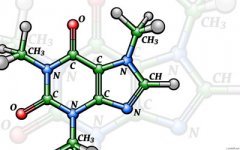
Is caffeine an angel or a devil?
Caffeine (Caffeine) is an alkaloid extracted from tea and coffee fruit. Moderate use of caffeine can dispel fatigue and excitatory nerves. Caffeine is used in clinical treatment of neurasthenia and coma resuscitation. The main source of caffeine in the food industry is coffee beans. Tea, cocoa, cola and Red Bull drinks all contain caffeine. Even women's oral contraceptive contains coffee.
2015-06-25 Caffeine angel or devil caffeine yes tea
Excited for 6 hours with a cup of coffee, it is easy to shorten the time of sleep disorder at night.
According to the Daily Mail of November 15, the stimulating effect of caffeine can last for six hours, a new study has found. Drinking coffee after 5pm can easily lead to an hour less sleep at night. Because the coffee drinking time is late, it is easy to lead to night sleep disorders, shortened sleep time and sleep quality at home. In the new study, Crystal, a professor of psychiatry at Wayne State University in the United States,
2015-04-07 One cup coffee excitement 6 hours easy night sleep disorder time shortening
Analysis of the basic knowledge of Coffee caffeine
Caffeine (Caffeine) is an alkaloid extracted from tea and coffee fruit. Moderate use of caffeine can dispel fatigue and excitatory nerves. Caffeine is used in clinical treatment of neurasthenia and coma resuscitation. The main source of caffeine in the food industry is coffee beans. Tea, cocoa, cola and Red Bull drinks all contain caffeine. Even women's oral contraceptive contains coffee.
2014-11-04 Coffee knowledge coffee basics coffee ingredients caffeine
A brief discussion on the main components of caffeine coffee
Caffeine (Caffeine) is an alkaloid extracted from tea and coffee fruit. Moderate use of caffeine can dispel fatigue and excitatory nerves. Caffeine is used in clinical treatment of neurasthenia and coma resuscitation. The main source of caffeine in the food industry is coffee beans. Tea, cocoa, cola and Red Bull drinks all contain caffeine. Even women's oral contraceptive contains coffee.
2014-09-27 Coffee knowledge caffeine coffee ingredients
Basic knowledge of Fine Coffee A brief discussion on caffeine
Caffeine (Caffeine) is an alkaloid extracted from tea and coffee fruit. Moderate use of caffeine can dispel fatigue and excitatory nerves. Caffeine is used in clinical treatment of neurasthenia and coma resuscitation. The main source of caffeine in the food industry is coffee beans. Tea, cocoa, cola and Red Bull drinks all contain caffeine. Even women's oral contraceptive contains coffee.
2014-12-24 Boutique coffee basics common sense caffeine Caffein
Basic knowledge of Fine Coffee A brief discussion on caffeine
Caffeine (Caffeine) is an alkaloid extracted from tea and coffee fruit. Moderate use of caffeine can dispel fatigue and excitatory nerves. Caffeine is used in clinical treatment of neurasthenia and coma resuscitation. The main source of caffeine in the food industry is coffee beans. Tea, cocoa, cola and Red Bull drinks all contain caffeine. Even women's oral contraceptive contains coffee.
2014-11-18 Coffee knowledge coffee basics coffee common sense caffeine
Angel or Devil talk about the advantages and disadvantages of caffeine
Caffeine (Caffeine) is an alkaloid extracted from tea and coffee fruit. Moderate use of caffeine can dispel fatigue and excitatory nerves. Caffeine is used in clinical treatment of neurasthenia and coma resuscitation. The main source of caffeine in the food industry is coffee beans. Tea, cocoa, cola and Red Bull drinks all contain caffeine. Even women's oral contraceptive contains coffee.
2015-10-09 Angel or devil talk about caffeine pros and cons caffeine Caff
Excessive consumption of caffeinated functional drinks may cause addiction and mental disorders
In fact, the real risk of drinking energy drinks is that they contain too much caffeine, and long-term consumption in large quantities may lead to addiction and even some mental disorders.
2014-08-27 Coffee knowledge caffeine energy drinks addiction mental disorders
A brief introduction to caffeine, the active ingredient in coffee beans
Caffeine (Caffeine) is an alkaloid extracted from tea and coffee fruit. Moderate use of caffeine can dispel fatigue and excitatory nerves. Caffeine is used in clinical treatment of neurasthenia and coma resuscitation. However, large doses or long-term use will also cause damage to the human body, especially it is also addictive, once discontinued, there will be mental fatigue, fatigue and other withdrawal symptoms
2014-09-13 Coffee knowledge coffee bean ingredients caffeine
Excessive consumption of caffeinated functional drinks may cause addiction and mental disorders
Background news recently, Red Bull drinks have experienced the storm of off-shelf and on-the-shelf. The official website of the State Drug Administration said: as to whether the simultaneous use of sodium benzoate and caffeine in Red Bull beverages will be harmful to health, the expert group has studied and demonstrated that the two raw materials are used in accordance with the approved amount of use. in line with the relevant national regulations; consumers according to the label mark suitable crowd, food
2015-06-24 Caffeine function drinks excessive drinking addiction mental disorders background news recent
Adverse consequences of long-term excessive consumption of coffee
In the case of long-term coffee intake, large doses of caffeine is a drug that can cause "caffeine poisoning".
2014-05-23 Coffee knowledge coffee health coffee encyclopedia
The adverse consequences of drinking too much coffee
In the case of long-term coffee intake, large doses of caffeine is a drug that can cause "caffeine poisoning".
2014-07-11 Coffee knowledge excessive coffee adverse consequences of coffee
Adverse consequences of long-term excessive consumption of coffee in good health
In the case of long-term coffee intake, large doses of caffeine is a drug that can lead to caffeine poisoning. Symptoms of caffeine poisoning include addiction and a range of physical and psychological reactions, such as nervousness, irritability, anxiety, tremors, muscle convulsions (hyperreflexia), insomnia and palpitations. Most people take caffeine because of its stimulating effect, and many students are responding.
2014-11-26 Coffee knowledge coffee health excessive coffee consumption
As a result of excessive consumption of coffee, how to drink coffee properly
Excessive consumption in the case of long-term intake, large doses of caffeine is a drug that can lead to caffeine poisoning. Caffeine poisoning includes addiction and a range of physical and psychological adverse reactions, such as nervousness, irritability, anxiety, tremors, muscle convulsions (hyperreflexia), insomnia and palpitations (most people take caffeine because of its irritating effects. Many students
2016-05-07 Excessive drinking coffee the result how the local
What if excessive consumption of coffee for a long time will have adverse consequences?
In the case of long-term coffee intake, large doses of caffeine is a drug that can lead to caffeine poisoning. Symptoms of caffeine poisoning include addiction and a range of physical and psychological reactions, such as nervousness, irritability, anxiety, tremors, muscle convulsions (hyperreflexia), insomnia and palpitations. Most people take caffeine because of its stimulating effect, and many students are responding.
2015-11-07 Excessive long-term drinking coffee causing bad consequences
Basic knowledge of coffee the adverse consequences of drinking too much coffee for a long time
In the case of long-term coffee intake, large doses of caffeine is a drug that can lead to caffeine poisoning. Symptoms of caffeine poisoning include addiction and a range of physical and psychological reactions, such as nervousness, irritability, anxiety, tremors, muscle convulsions (hyperreflexia), insomnia and palpitations. Most people take caffeine because of its stimulating effect, and many students are responding.
2015-04-24 Coffee basics common sense long-term excessive drinking bad consequences