“bipolar” search results (43)

Introduction to the long flavor description of Ethiopian coffee in Huigan, the taste characteristics of grinding degree and the variety production area.
However, in recent years, about 10% or 20% of Gima has been used to make up for the lack of taste of coffee, but its quality has gradually declined to its own level, but there are bipolar comments on coffee buyers (my friend only uses Gima as the base of espresso in his store, and its strong flavor surprises me).
2016-10-08 Huigan long Ethiopia coffee flavor description grinding taste characteristics
Chinese Tea Culture and French Coffee Culture
Fifty years ago, China formally established diplomatic relations with France. In the bipolar pattern in the 1960s, this breakthrough caused a sensation in the world. Great progress has been made in the economic, political and cultural exchanges between China and France over the past 50 years. Today I want to compare the difference between Chinese tea culture and French coffee culture. As we all know, tea and coffee have become two important drinks popular all over the world.
2014-09-12 Coffee Culture Chinese Tea Culture France
The difference between Chinese Tea Culture and French Coffee Culture
Fifty years ago, China formally established diplomatic relations with France. In the bipolar pattern in the 1960s, this breakthrough caused a sensation in the world. Great progress has been made in the economic, political and cultural exchanges between China and France over the past 50 years. Today I want to compare the difference between Chinese tea culture and French coffee culture. As we all know, tea and coffee have become two important drinks popular all over the world.
2015-08-06 China tea culture France coffee culture difference 50 years ago
Gima Coffee Farm famous Coffee Farm
Boutique coffee has a rich and beautiful taste. Even if the coffee made of boutique coffee beans is not all fine coffee, it depends on whether it gives full play to the characteristics of coffee beans, whether it has a good taste, if not, it can not be called boutique coffee. Djimmah accounts for about 50% of Ethiopia's annual output (1000000bags/60kg).
2016-05-26 Gemma coffee planting manor famous boutique rich good taste
Djimmah accounts for about 50% of Ethiopia's annual output (1000000bags/60kg).
Djimmah, which accounts for about 50 per cent of Ethiopia's annual output (1000000bags/60kg), grows between 4400 and 6000 feet above sea level in the southwestern highlands of the country (the border between Kaffa and Illubabor provinces) and is usually exported by G5/G4. However, in recent years, about 10% or 20% of Gima has been used to make up for the lack of taste of coffee, but its quality has gradually declined.
2016-05-09 Gima Djimmah this annual output 50% of Ethiopia.
Gima Coffee Estate grows coffee beans
Fine coffee is good coffee and harmless to health. Unlike coffee made with inferior coffee beans, fine coffee uses high-quality coffee beans. Freshly made coffee is harmless to health and beneficial to the body and mind when consumed in moderation. Fine coffee has a rich and wonderful taste. Even if the coffee made with fine coffee beans is not all fine coffee, it depends on whether it is fully exerted.
2016-06-02 Gima Coffee Manor Planting Coffee Bean Fine Healthy Harmless Different
Djimmah is medium in texture and rugged with earthy coffee flavor.
Boutique coffee (specialty coffee) is also called specialty coffee selection coffee. It refers to coffee made from a small number of raw beans with excellent taste grown in an ideal geographical environment. Depending on the special soil and climatic conditions in which they grow, they have outstanding flavor. After strict selection and classification, this kind of coffee is hard in texture, rich in taste and stylish.
2016-06-19 Gima Djimmah texture medium rough earthy coffee flavor essence
Gima is a little sour, but slightly inferior to Hara, with a medium texture and rugged earthy flavor.
Djimmah, which accounts for about 50 per cent of Ethiopia's annual output (1000000bags/60kg), grows between 4400 and 6000 feet above sea level in the southwestern highlands of the country (the border between Kaffa and Illubabor provinces) and is usually exported by G5/G4. However, in recent years, about 10% or 20% of Gima has been used to make up for the lack of taste of coffee, but its quality has gradually declined.
2016-06-08 Gima with a little bit sour wine slightly inferior Hara first-class texture medium rough rustic
Jima Coffee Manor Coffee characteristics Coffee Tree Coffee Learning
The term "fine coffee" was first put forward by Ms. Knudsen of the United States in Coffee and Tea magazine. At that time, Ms. Knudsen, as a coffee buyer at B.C. Ireland in San Francisco, was very dissatisfied with the neglect of the quality of raw coffee in the industry, and even some big roasters mixed a large amount of Robesda beans in the comprehensive beans, so she put forward the concept of boutique coffee.
2016-06-16 Gemma coffee manor origin characteristics learning boutique the word the earliest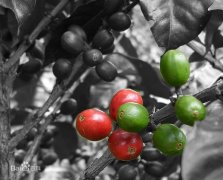
Djimmah is medium in texture and rugged with earthy Ethiopian boutique coffee beans.
The coffee-producing region of Ethiopia is divided into east and west parts by the East African Rift Valley, with lakes, volcanoes, lowlands, plateaus and woodlands interlaced, each evolving. Ethiopia has the most diverse coffee ecosystem in the world (forest coffee, semi-forest coffee, pastoral coffee and plantation coffee), which also preserves its rich Arabica genes. The eastern half is mostly plateaus, coffee beans.
2016-07-04 Gemma Djimmah texture medium rough rustic Ethel Searle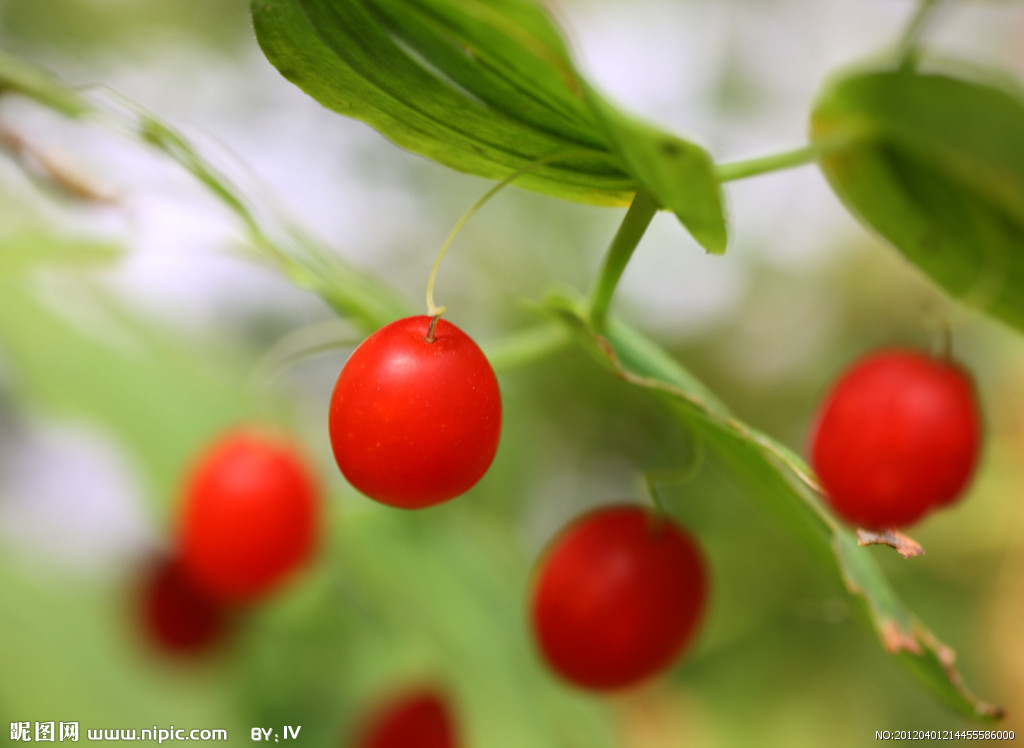
Djimmah producing area Ethiopian boutique coffee beans African flavor coffee
Yega Chefe and Sidamo, which are famous for their bright sour taste, are famous for their charming and mixed fragrance, while the western half of the forest is covered with a large area of primeval forest, mostly in the process of complete natural evolution, creating a more complex variety of coffee. The coffee varieties in the Kafa forest in the southwest are extremely resistant to disease. Due to natural evolution and less manual screening, its overall flavor is slightly lower than that of the eastern half of the wall. The coffee producing areas of Ethiopia are
2016-07-15 Gemma Djimmah producing area Ethel Searle Biya boutique coffee beans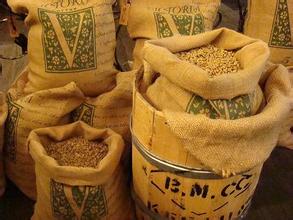
Djimmah, an Ethiopian coffee producing area, follows the ancient method to take the sun treatment class.
The coffee-producing region of Ethiopia is divided into east and west parts by the East African Rift Valley, with lakes, volcanoes, lowlands, plateaus and woodlands interlaced, each evolving. Ethiopia has the most diverse coffee ecosystem in the world (forest coffee, semi-forest coffee, pastoral coffee and plantation coffee), which also preserves its rich Arabica genes. The eastern half is mostly plateaus, coffee beans.
2016-04-18 Ethiopia Coffee producing area Gima Djimmah follow the Ancient method
The waitress at the coffee shop in Spokane, Washington, only wears chest stickers at the Seattle semi-naked Cafe.
Core tip: the uniforms of waiters in some coffee shops in Spokane, Washington are very special. Waitresses only cover two points with chest stickers and wear thong trousers to serve guests; while male waiters show their upper body, and some are wearing only a pair of boxers, so that guests' eyes don't know where to look. According to Taiwanese media reports, waiters in some coffee shops in Spokane, Washington, USA
2016-01-22 USA Washington California Pokan coffee shop waiter chest piercing Seattle half
Coffee industry news domestic coffee information China Coffee Network
Since cafes from all over the world competed to compete in Shanghai in the 21st century, Shanghai's state-owned and private enterprises have revived the coffee industry in Shanghai, and the red house has expanded to become the largest western coffee restaurant in Shanghai. Heilongjiang people have invested in the construction of 3000 square meters of Yunlu large cafes in Shanghai; Hunan people have set up Weishang coffee chains in Pudong New area and other places; Beijingers in Peninsula Garden
2016-04-15 Coffee Industry News domestic Information China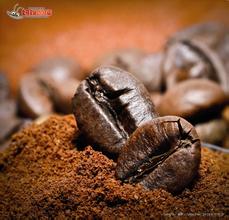
What are the main producing areas of Ethiopian coffee?
The Eastern Highlands of Ethiopia (Harerge province), which grows between 5000 and 7000 feet above sea level, was still wild on slopes a century ago. Raw beans are mostly medium size and long at both ends, with yellow or golden green color, strong chocolate smell when baking, wild taste with moderate acid and rich texture, very typical mocha flavor, good Hara with jasmine flowers.
2016-05-25 Ethiopia coffee main want producing area which oriental high
Ethiopian Coffee Bean Sidamo Coffee Bean Flavor Ted Manor
Hara is located in the Eastern Highlands of Ethiopia (Harerge Province) and grows between 5000 and 7000 feet above sea level. A century ago, it was still wild on the slopes. Most of the raw beans are medium size and long at both ends, with yellowish or golden green color, strong chocolate smell when baking, wild taste with moderate acidity and rich texture. It is a very typical mocha flavor and good Hara belt.
2016-07-21 Ethiopia coffee beans Dharma flavor taste introduction Ted manor Hara
Ethiopian Sunshine Sidama Coffee Flavor and Taste introduction to Sidamo producing area
Gima, which accounts for about 50 per cent of Ethiopia's annual output, grows between 4400 and 6000 feet above sea level in the country's southwestern highlands (the border between Kaffa and Illubabor provinces) and is usually exported to G5/G4. However, in recent years, about 10% or 20% of Gima has been used to make up for the lack of taste of coffee, but its quality has gradually declined to its own level, but for the purchase of
2016-07-11 Ethiopia sun Dharma coffee flavor taste introduction producing area this
Introduction of Coffee Flavor description and Taste characteristics in Xidamo Chiso producing area of Ethiopia
Gima, which accounts for about 50 per cent of Ethiopia's annual output, grows between 4400 and 6000 feet above sea level in the country's southwestern highlands (the border between Kaffa and Illubabor provinces) and is usually exported to G5/G4. However, in recent years, about 10% or 20% of Gima has been used to make up for the lack of taste of coffee, but its quality has gradually declined to its own level, but for the purchase of
2016-09-26 Ethiopia Dharma Shaquiso producing area Coffee Flavor description palate characteristics

What are the dangers of excessive caffeine use? Is caffeine addictive?
Caffeine in high doses is a drug that can lead to caffeine poisoning in the long term. Caffeine poisoning includes addiction and a range of physical and psychological side effects, such as nervousness, irritability, anxiety, tremors, muscle spasms (hyperreflexia), insomnia and palpitations.
2015-03-13 overdose use caffeine what harm addiction