“arabi” search results (13)
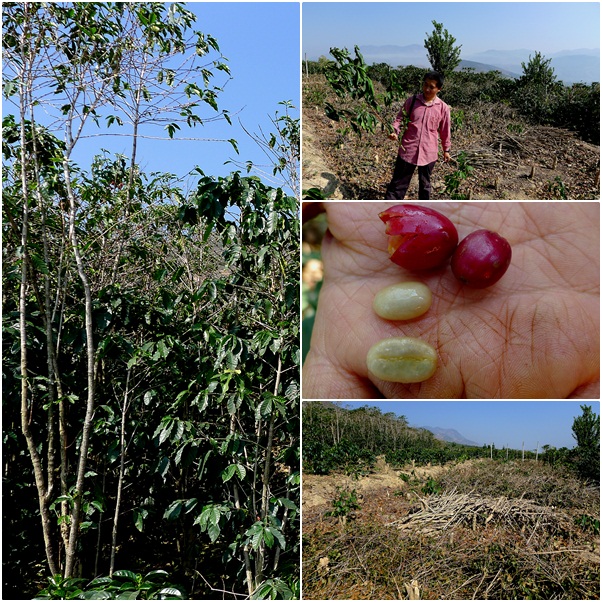
Tibika Typica Tibika/Tipika/Tipika Mantinen is a Robusta species or Arabi
Genetically classifying coffee has always been a complicated business. As far as the coffee varieties on the market are concerned, the most superficial classification is of course divided into Arabica and Robusta (hereinafter referred to as radish beans)! The two family elders iron pickup truck "Typica" iron pickup truck, the name sounds very majestic, but in fact it is not so strong, its constitution is weaker, resistant
2016-04-22 tibi Typica pica mante robbs booth or la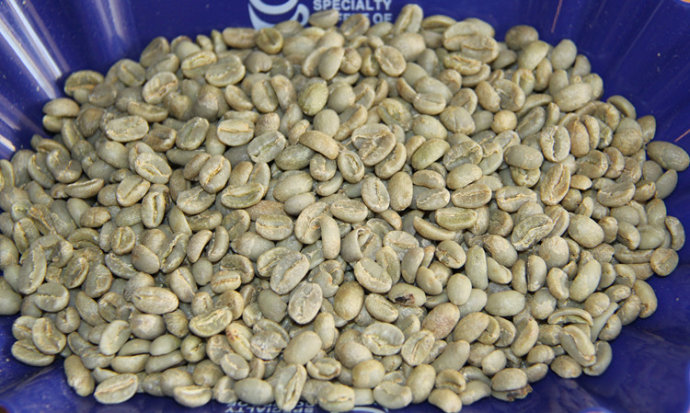
World Fine Coffee Beans: Ethiopia Pica Forest G2 Washed Arabica Introduction
The legend of a shepherd and coffee beans, coffee originated in the southwest of Ethiopia (Kaffa) plateau region, Arab shepherd Karl one day to drive sheep to the Ethiopian steppe grazing, found that sheep are particularly active, so found the fruit of coffee beans. Traceable and Fair Trade
2015-12-24 World Boutique Coffee Bean Esso Bipi Caffa Forest Wash Arabi
How to choose coffee beans? How to choose coffee beans? What good quality coffee beans do you have?
1. Arabica(also known as mountain beans) is characterized by a strong aroma; less bitterness; moderate Creama(coffee oil) content; high acidity; caffeine content of 30%-40% of Robusta. 2. The main characteristics of Robusta: poor aroma; bitter taste after deep roasting; more Creama; low acidity; high caffeine content.
2016-03-17 coffee beans how choice pick what quality good Arabi
The name of boutique coffee beans on behalf of countries with common sense.
Coffee fruits (Arabica) Brazil: Santos, Bahia, Cerrado, Mogiana Peru: Chanchmayo, Cuzco, Norte, Puno Democratic Republic of the Congo: Kivu, Ituri Rwanda: Kivu Kenya: Kenya AA
2015-01-13 Boutique common sense countries representatives coffee beans name Brazil coffee Arabi
Types of coffee beans what are the requirements for the growing environment of coffee beans
Coffee fruits from Brazil (Arabica) Brazil: Santos, Bahia, Cerrado, Mogiana Peru: Chanchmayo, Cuzco, Norte, Puno Democratic Republic of the Congo: Kivu, Ituri Rwanda: Kivu Kenya: Kenny
2016-05-29 Coffee beans type planting environment what requirements Brazil coffee Arabi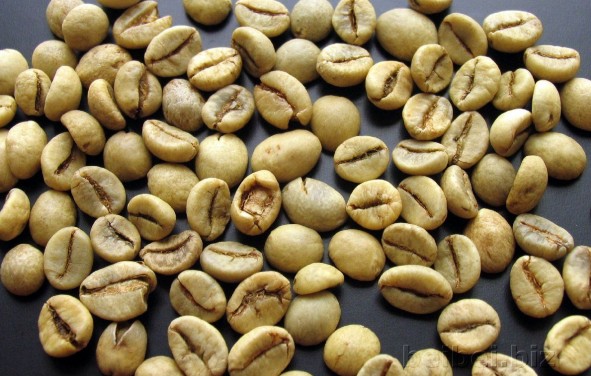
World Boutique Coffee Estate Indonesia Coffee Beans: Introduction to Indonesian Java Robusta Green Beans
In the early 1970s Java cut down most of the Arabica trees introduced by the Dutch and planted them with robusta beans, and since then Java coffee has become greasy, bland and has a strong smell of wheat tea. Indonesia Java robusta green bean In the early seventies Java introduced most Dutch Arabi
2015-12-25 World Boutique Coffee Manor Indonesia Coffee Bean Java Robbs Booth Raw
Sumatra Lindong coffee beans
The beans in the GAYO Mountains are now the best in Sumatra, mostly grown in old trees, at high elevations, between 1500 and 2500. This producing area is located in ACEH, the place where the great tsunami occurred. I hope the export of coffee can help the people there after the tsunami. For coffee from GAYO producing areas, the Indonesian and international standard titles are Gayo Arabi.
2016-08-30 Sumatra Lindong coffee beans GAYO mountains beans now the whole Su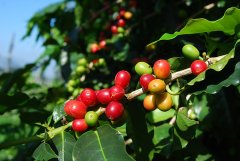
Three original species of coffee: Arabica, Robusta and Liberia
Everyone should have heard of Elaraby as a kind of coffee. The best quality beans of the famous Colombian coffee are all Elaraby varieties. When it comes to the variety of coffee, we must first understand the type of coffee tree. At present, the most important coffee beans in the world are mainly from Arabica, Robata and Liberia. these three varieties of coffee beans are the three original species of coffee trees.
2015-10-14 Coffee three original rabbi Robbas Bath Liberia everybody should
The difference between different kinds of coffee and so many varieties of coffee which is the most popular
Since the Brazilian coffee industry has adopted the price strategy of low price and massive planting from the very beginning, the coffee produced is of average quality but less excellent grade, which is generally regarded as an indispensable coffee bean in blending. Among the many varieties of Brazilian coffee, Santos is more famous, followed by Rio. Santos Coffee-mainly produced in the state of Sao Paulo, S ã o Paulo, the variety is Coffee Arabi
2016-05-24 All kinds of coffee difference variety so which kind popular because Brazil coffee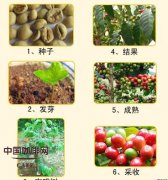
Planting conditions of Coffee trees what conditions do you need to grow coffee trees
Coffee tree coffee (Xoffea arabica Linn) coffee is a perennial evergreen shrub or small tree of Rubiaceae. It is a horticultural perennial cash crop with the characteristics of fast growth, high yield, high value and wide market. Wild coffee trees can grow to 5 to 10 meters high, but coffee trees planted on manors are often cut to less than 2 meters in order to increase fruit and facilitate harvesting.
2015-02-07 Coffee planting conditions need what coffee Xoffea arabi
Latin American coffee beans characteristics Coffee beans import sour Chinese coffee net
Latin America In 1721, Gabriel Mathieu de Clieu, a French naval officer, took the first coffee sapling from Africa to Martinique in Latin America, which is the origin of coffee cultivation in Latin America. Because France was under Bourbon rule at the time, Arabi cultivated in Latin America
2016-04-21 Latin American Coffee Bean Characteristics Inlet Sour Chinese Coffee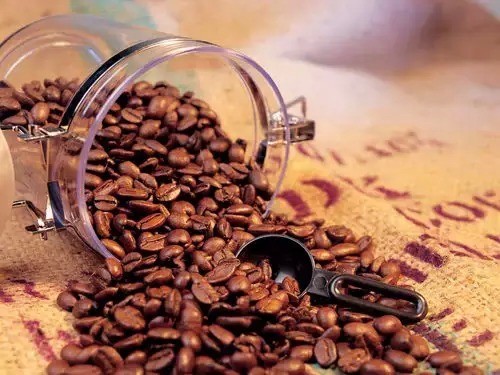
Sweet and mellow Latin American coffee varieties Taste characteristics Manor boutique coffee beans Flavor introduction
Latin America In 1721, Gabriel Mathieu de Clieu, a French naval officer, took the first coffee sapling from Africa to Martinique in Latin America, which is the origin of coffee cultivation in Latin America. Because France was under Bourbon rule at the time, Arabi cultivated in Latin America
2016-09-02 sweet mellow latin american coffee variety taste characteristics manor boutique
The overall flavor is balanced to show a stable Latin American coffee flavor, character, taste and estate
Latin America In 1721, Gabriel Mathieu de Clieu, a French naval officer, took the first coffee sapling from Africa to Martinique in Latin America, which is the origin of coffee cultivation in Latin America. Because France was under Bourbon rule at the time, Arabi cultivated in Latin America
2016-08-31 Overall Flavor Balance Presentation Set Latin American Coffee Characteristics Taste Zhuang