“Grade 3” search results (3000)
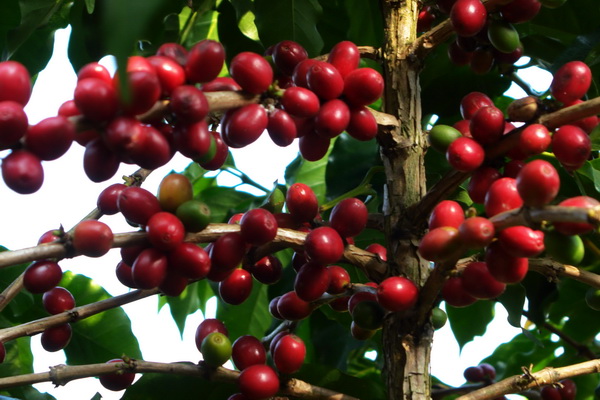
African flavor Ethiopian grade G1G2 G3 boutique coffee beans
Pre-auction process 1) farmers pick fresh coffee fruits; 2) farmers transport fresh fruits to rural cooperatives; 3) cooperatives sell fresh fruits to middlemen; 4) middlemen collect and transport fresh fruits to processing plants (washing or tanning process); 5) middlemen transport processed beans (with shell beans, Parchment Coffee) to auction houses to establish warehouses; 6) auction houses give official evaluation (
2016-07-15 Africa flavor Ethel Searle Biya grade division G1G2 boutique
Coffee bean classification Yega Xuefei grade classification
Egyptian beans are named after places of origin and are usually named after provinces. This is a bit like the Bordeaux region of French red wine. Which producing areas are clear to everyone. Note: Chevy is a small producing area in Sidamo Province. Because of its unique flavor, it can become an independent brand. This naming method is very different from that of other African countries (including the hierarchical naming described below), which you often see.
2016-06-03 Coffee beans grading Yega Sheffield classification Egyptian beans origin naming often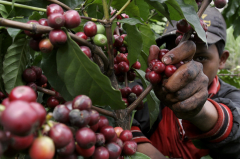
Egyptian beans are named according to origin, coffee beans are classified according to grades, raw beans, coffee beans.
Egyptian beans are named after places of origin and are usually named after provinces. This is a bit like the Bordeaux region of French red wine. Which producing areas are clear to everyone. Note: Chevy is a small producing area in Sidamo Province. Because of its unique flavor, it can become an independent brand. This naming method is very different from that of other African countries (including the hierarchical naming described below), which you often see.
2016-06-19 Egyptian beans origin nomenclature coffee beans grades classification raw beans
Ethiopian coffee beans
General requirements: The moisture content of sun-dried coffee beans should not exceed 11.5% by weight, and at least 85% of the beans remain above 14 mesh after sifting. (This is why Egyptian beans don't look good: 14 + means 14, 15, 16, 17, 18, etc. mixed together, beans must be uneven) Parchment Coffee Grades: 1, 2, 3, 4, 5, 6, 7, 8, 9
2016-06-08 Ethiopia coffee beans grade presentation general requirements sun exposure water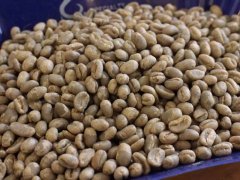
A brief introduction to the grading system of coffee beans in Ethiopia
In this age of flamboyant clothes, beautiful masks and expensive silicone, Egyptian beans are obviously not the kind of people who can't resist your appearance. The long and thin bean shape, coupled with its uneven size, always feels a little born with stunting. Fortunately, God is also fair. Egypt beans, which have no outstanding appearance, have rich connotations (so do many ugly people.
2015-11-03 Ethiopia coffee beans grades institutions briefs common sense this everywhere.
Basic knowledge of coffee beans the grading system of Ethiopian coffee beans
In this age of flamboyant clothes, beautiful masks and expensive silicone, Egyptian beans are obviously not the kind of people who can't resist your appearance. The long and thin bean shape, coupled with its uneven size, always feels a little born with stunting. Fortunately, God is fair, and the Egyptian beans without outstanding appearance have rich connotations (so do many ugly people.
2014-11-19 Coffee knowledge coffee beans coffee basics coffee common sense Ethiopian coffee beans
A brief introduction to the grading system of coffee beans in Ethiopia
In this age of flamboyant clothes, beautiful masks and expensive silicone, Egyptian beans are obviously not the kind of people who can't resist your appearance. The long and thin bean shape, coupled with its uneven size, always feels a little born with stunting. Fortunately, God is fair, and the Egyptian beans without outstanding appearance have rich connotations (so do many ugly people.
2015-10-12 Ethiopia coffee beans grades systems brief descriptions features this everywhere.
A brief introduction to the grading system of coffee beans in Ethiopia
The evaluation criteria of Egyptian beans were developed with the assistance of the American Fine Coffee Association (SCAA). (why can't Egypt, as the home country of coffee, formulate it independently? Yeah! Think about it)-Egypt fully implemented a central auction system in 2008 (used to be purchased by exporters)-briefly talk about some pre-auction processes. 1) Farmers pick fresh coffee fruit; 2) Farmers take fresh coffee
2014-08-22 Coffee knowledge Ethiopian coffee beans coffee bean rating system
General knowledge of coffee bean grading A brief introduction to the grading system of coffee beans in Ethiopia
In this age of flamboyant clothes, beautiful masks and expensive silicone, Egyptian beans are obviously not the kind of people who can't resist your appearance. The long and thin bean shape, coupled with its uneven size, always feels a little born with stunting. Fortunately, God is fair, and the Egyptian beans without outstanding appearance have rich connotations (so do many ugly people.
2014-12-26 Coffee beans grading common sense Ethiopia rating system brief description this everywhere.
What are the treatment methods of coffee beans G1 G2 G3 G4 respectively?
In fact, these Grade-2,Grade-3 do not exactly represent the level of quality. What does that mean? As follows: washing: Grade-1;Grade- 2 days sun: Grade-3;Grade-4;Grade-5 and Grade-1 several points to note: a) regardless of washing and sunlight, there is Gr-1, the condition is zero defect and Premium Cup. Whether it's washing or tanning, Gr-1 is the best of the boutiques or Cup of.
2015-11-03 Coffee beans respectively what is treatment method actually these Grade-2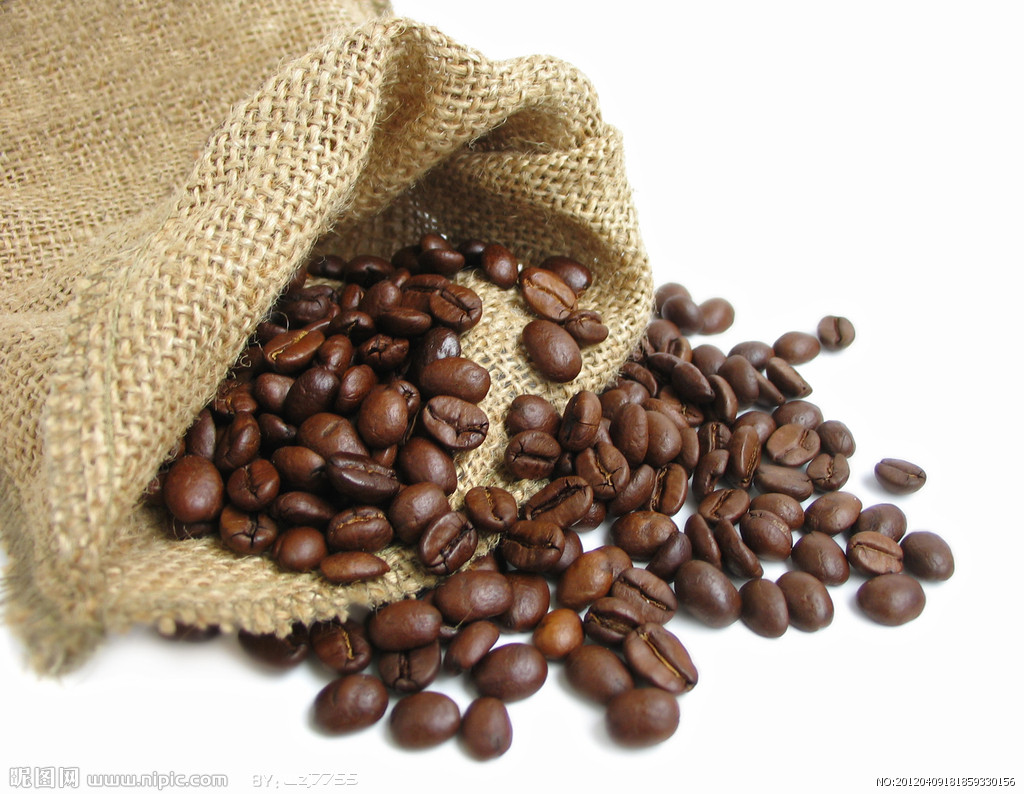
Detailed analysis of coffee beans G1 G2 G3 G4 what is the meaning of what is the processing method
In fact, these Grade-2 and Grade-3 do not completely represent the quality level. What does that mean? As follows: Wash: Grade-1;Grade-2 Sun: Grade-3;Grade-4;Grade-5 and Grade-1 Several points to note: a) Both wash and sun have Gr-1, provided that there are zero defects and Premium Cup. Whether washed or sunburned, Gr-1 is the best of the best or Cu
2016-01-11 detailed analysis coffee beans what is it meaning don't be what kind processing method
There are two ways to grade green coffee beans.
There are two ways to grade coffee beans, one is to filter the number of points, one is to elevation points. The size of the round beans is generally smaller than the flat beans, the round beans are between 8-13, and the flat beans are between 12-29. 8,9,10... 12,13... 18... 29= ,,......, Extra large. The bigger the number, the bigger the bean. SC-19, for example, is bean number 19.
2015-11-03 coffee green beans grading method two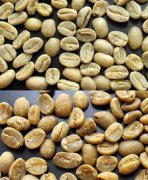
Grading of raw coffee beans there are two ways to grade raw coffee beans.
There are two ways to classify raw coffee beans, one is the filter number, and the other is the elevation. It is divided by the filter number, and the size is size in terms of the screen size. Round beans are generally smaller than flat beans, between 8-13 and 12-29. 8, 9, 10. 12, 13. 18. 29 = small, medium, ordinary. Quasi-big. Big, extra large. The bigger the size, the bigger the beans. Like SC-.
2015-06-05 Coffee beans grading coffee raw beans methods two kinds
Classification standard of raw coffee beans
There are two ways to classify raw coffee beans, one is the filter number, and the other is the elevation.
2014-06-04 Coffee knowledge coffee raw beans grading standards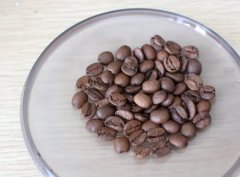
Standard for grading coffee beans
There are two ways to grade coffee beans, one is to filter the number of points, one is to elevation points. It is divided by the filter number and the size is determined by the mesh size. Round beans are generally smaller than flat beans, round beans between 8-13, flat beans between 12-29. 8,9,10... 12,13... 18... 29 = Small, Medium, Normal... It's a big... big, extra big. The bigger the number, the bigger the bean. Like SC
2015-01-08 quality coffee common sense green beans grading standard method
Graded high-quality coffee beans
There are two ways to classify raw coffee beans, one is the filter number, and the other is the elevation. It is divided by the number of the filter screen, and the size is in the unit of the screen (size). Round beans are generally smaller than flat beans, between 8-13 and 12-29. 8, 9, 10. 12, 13. 18. 29 = small, medium, ordinary. Quasi-big. Big, extra large. The bigger the size, the bigger the beans. Like SC.
2014-09-13 Grading of raw coffee beans boutique coffee beans
Grading standard of raw coffee beans
There are two ways to classify brown raw beans, one is to filter the number, and the other is to divide it by elevation. It is divided by the number of the filter screen, and the size is in the unit of the screen (size). Round beans are generally smaller than flat beans, between 8-13 and 12-29. 8, 9, 10. 12, 13. 18. 29 = small, medium, ordinary. Quasi-big. Big, extra large. The bigger the size, the bigger the beans. Like SC-1.
2014-08-20 Coffee knowledge grading standards coffee raw beans
What exactly does the name of coffee mean?
1. What is the amount of information contained in the name of the raw coffee bean? 2. Why is it that sometimes the manor comes first in the name of the coffee bean, and sometimes the description of the treatment and grade is interspersed with it? what is the naming rule? Is there a uniform standard? 3. How to see the grade from the name of the raw coffee bean? This article will provide an in-depth answer to how to treat the naming of coffee beans, and
2016-08-25 Coffee name exactly what does it mean?
Classification standard of coffee raw beans for fine coffee
There are two ways to classify raw coffee beans, one is the filter number, and the other is the elevation. It is divided by the number of the filter screen, and the size is in the unit of the screen (size). Round beans are generally smaller than flat beans, between 8-13 and 12-29. 8, 9, 10. 12, 13. 18. 29 = small, medium, ordinary. Quasi-big. Big, extra large. The bigger the size, the bigger the beans. Like SC.
2014-09-03 Coffee knowledge boutique coffee beans coffee raw beans coffee bean grading
Quality coffee beans, knowledge, classification of raw coffee beans
There are two ways to classify raw coffee beans, one is the filter number, and the other is the elevation. It is divided by the number of the filter screen, and the size is in the unit of the screen (size). Round beans are generally smaller than flat beans, between 8-13 and 12-29. 8, 9, 10. 12, 13. 18. 29 = small, medium, ordinary. Quasi-big. Big, extra large. The bigger the size, the bigger the beans. Like SC.
2015-01-04 Boutique coffee beans knowledge coffee raw beans grading methods