“withered” search results (770)

Introduction to the Ethiopian Dharma Coffee Ted Manor with exquisite floral scent
The coffee in Sidamo has a variety of flavors. Different soil types, microclimates and countless native coffee species, towering mountains, highlands, plateaus, valleys and plains, diverse topography, and the geology of the area belongs to nutrient-rich, well-drained volcanic soil. the depth of the soil is nearly two meters, and the surface soil is dark brown or brown. The biggest advantage of the place is
2016-07-04 With exquisite flowers smell Ethiopia Dharma coffee Ted manor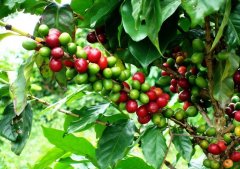
Cold-resistant single plant found in Yunnan coffee-- there is a new hope for cold-resistant breeding
The coffee producing area of Yunnan Province is mainly located in the tropical and subtropical area between the north of Indo-China Peninsula and the south of Yunnan Province, with a continental climate on the northern margin of the tropics.
2014-05-28 Coffee news coffee knowledge Yunnan coffee
Sanani and Matari of Yemeni Coffee
Sanani: Sanani is a general term, which generally refers to the coffee production areas around the capital Sana'a. I have a deep affection for Sanani. Eighteen years ago, I first brewed deeply baked Sanani, and I felt a strong aroma and sweetness of sun fruit at the entrance. Because of this incredible flavor, high-quality beans have been crazy ever since. Sanani's heavy fruity aroma, which is very different from the aroma of Central and South American beans, is difficult to describe and can be classified as
2015-04-01 Yemen coffee Sana'a Tali is a collectively refers to the capital surrounding areas.
An introduction to the morphological characteristics of coffee trees
Coffee tree is a shrub or small tree of Rubiaceae; leaves opposite, leathery, long ovate; every March, the branches will appear white flowers, petals spirally arranged, the heart of flowers jump around the petals, take a closer look, really like a small windmill playing in childhood, emitting bursts of jasmine fragrance; the fruit is oval, berries, crimson, containing two seeds, that is, we are familiar with coffee
2016-06-07 Coffee morphological characteristics introduction
An introduction to the morphological characteristics of coffee trees
Coffee tree is a shrub or small tree of Rubiaceae; leaves opposite, leathery, long ovate; every March, the branches will appear white flowers, petals spirally arranged, the heart of flowers jump around the petals, take a closer look, really like a small windmill playing in childhood, emitting bursts of jasmine fragrance; the fruit is oval, berries, crimson, containing two seeds, that is, we are familiar with coffee
2016-06-13 Coffee morphological characteristics introduction
Washed Sidamo Lion King Coffee beans introduce fine coffee
The taste of Sidama in the sun is close to the smell of flowers, but it is about a little earthy. Water washing has a nutty fruit aroma with a slight cocoa aroma, but what the two have in common is smooth taste and viscosity, comfortable and pleasant acidity and fragrance. Light or medium roasting is suitable for individual products, while medium or deep roasting is suitable for blending coffee and good Espresso base. The water-washed Sidamo is light green and the beans are small.
2016-06-27 Washing processing Dharma Lion King Coffee beans introduction Fine goods Coffee Sun Da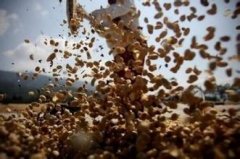
History of Coffee Culture Holland has a deep relationship with coffee
The Netherlands is reminiscent of flowers and cheese. in fact, the Netherlands has a deep relationship with coffee and is the first western country to get involved in coffee trade and cultivation. Coffee spread to Europe in the 17th century, causing controversy in Italy, England, France and Germany, and even banning drinking. However, the pragmatic Dutch saw huge business opportunities and accepted coffee without resistance. After careful layout and regulation
2015-02-12 Coffee cultural history Holland Yuanyuan very deep let people think flowers milk
The Netherlands has a deep relationship with coffee and coffee culture
The Netherlands is reminiscent of flowers and cheese. in fact, the Netherlands has a deep relationship with coffee and is the first western country to get involved in coffee trade and cultivation. Coffee spread to Europe in the 17th century, causing controversy in Italy, England, France and Germany, and even banning drinking. However, the pragmatic Dutch saw huge business opportunities and accepted coffee without resistance. After careful layout and regulation
2015-04-02 Holland coffee Yuanyuan very deep coffee culture let people think flowers milk
Full fruit, good average quality, fragrant and mellow washed Sidamo coffee beans
The coffee in Sidamo has a variety of flavors. Different soil types, microclimates and countless native coffee species, towering mountains, highlands, plateaus, valleys and plains, diverse topography, and the geology of the area belongs to nutrient-rich, well-drained volcanic soil. the depth of the soil is nearly two meters, and the surface soil is dark brown or brown. The biggest advantage of the place is
2016-06-22 Fruit full average good quality odor mellow thick washed treated Dharma
Unique and mellow Sidamo Coffee Flavor Manor area introduction to Ted Manor
The coffee in Sidamo has a variety of flavors. Different soil types, microclimates and countless native coffee species, towering mountains, highlands, plateaus, valleys and plains, diverse topography, and the geology of the area belongs to nutrient-rich, well-drained volcanic soil. the depth of the soil is nearly two meters, and the surface soil is dark brown or brown. The biggest advantage of the place is
2016-07-15 Taste unique thick Dharma Coffee Flavor Manor producing area introduction Ted
Production and processing of coffee flavor of Ethiopian coffee beans
Ethiopia's geographical environment is very suitable for coffee growth. Coffee is mainly grown in the southern highlands between 1100 and 2300 meters above sea level. The main coffee producing areas are Harar, Limu, Djimma, Sidamo, Kaffa, Yergacheffe and Wellega. The soil drainage in these areas is good.
2016-05-16 Coffee production processing Ethel Searle Biya Coffee beans Flavor Ethiopia Earth
Coffee beans travel
The coffee we drink comes from the roasting and grinding of coffee beans, and the magic coffee tree provides it all.
2014-05-23 Coffee knowledge coffee beans coffee encyclopedia
Indonesian coffee Asian coffee has a higher alcohol thickness than Central and South America and African beans.
The mellow thickness of Asian coffee is higher than that of Central and South American and African beans, but its sour taste is lower, with slightly sunken wood, herb, spice and earthy flavor, and its low and stuffy aroma is higher than that of rising sour flavor. At the end of the 17th century, the Dutch East India Company transplanted Indian Arabica trees (Tibica) to Jakarta, Java. Due to the favorable climate and soil, Arabica quickly spread to Sumatra in Java.
2015-10-26 Indonesia coffee Asia thickness Central and South America Africa bean height thick
Botanical classification of coffee beans Cankun Italian coffee machine
The botanical classification of coffee beans Coffee Tree Atlas Coffee Tree Coffee Tree Coffee is defined as the most unique alkaloid drinking flora. Usually after sowing for two to three years, coffee trees can grow to five in height.
2016-06-13 Coffee beans Botany Classification Cankun Italian Coffee Machine points
Introduction to the characteristics of Sidamo Shakiso boutique coffee flavor and taste manor
The coffee in Sidamo has a variety of flavors. Different soil types, microclimates and countless native coffee species, towering mountains, highlands, plateaus, valleys and plains, diverse topography, and the geology of the area belongs to nutrient-rich, well-drained volcanic soil. the depth of the soil is nearly two meters, and the surface soil is dark brown or brown. The biggest advantage of the place is that
2016-08-23 Aftertaste endless Dharma Shaquiso boutique coffee flavor taste manor production
Introduction to the types of coffee beans Starbucks Columbia Coffee region
Generally speaking, after two to three years of sowing, coffee trees can grow to a height of about five to ten meters, but in case coffee beans lose their aroma, taste bad, and are easy to harvest, farmers often repair them to about 1.5 to two meters. The change begins to bear fruit three to five years after sowing. The harvest period will be 20 years after the fifth year. The evergreen leaves of the coffee tree, with a pointed tip and two opposite groups.
2016-06-07 Coffee beans species introduction general sowing three years coffee tree height ten centimeters
Yemeni Coffee Sanani and Matari Coffee Culture
Sanani: Sanani is a general term, which generally refers to the coffee production areas around the capital Sana'a. I have a deep affection for Sanani. Eighteen years ago, I first brewed deeply baked Sanani, and I felt a strong aroma and sweetness of sun fruit at the entrance. Because of this incredible flavor, high-quality beans have been crazy ever since. Sanani's heavy fruity aroma, which is very different from the aroma of Central and South American beans, is difficult to describe and can be classified as
2015-10-22 Yemen Coffee Sana'a Tali Coffee Culture is a collectively generally refers to first
Introduction to the producing area of Sunshine Sidama Coffee with very diverse flavors
The coffee in Sidamo has a variety of flavors. Different soil types, microclimates and countless native coffee species, towering mountains, highlands, plateaus, valleys and plains, diverse topography, and the geology of the area belongs to nutrient-rich, well-drained volcanic soil. the depth of the soil is nearly two meters, and the surface soil is dark brown or brown. The biggest advantage of the place is
2016-06-17 Flavor very diverse sun Dharma coffee origin introduction
Sun Sidama Coffee beans with floral flavor introduce fine coffee
The taste of Sidama in the sun is close to the smell of flowers, but it is about a little earthy. Water washing has a nutty fruit aroma with a slight cocoa aroma, but what the two have in common is smooth taste and viscosity, comfortable and pleasant acidity and fragrance. Light or medium roasting is suitable for individual products, while medium or deep roasting is suitable for blending coffee and good Espresso base. The water-washed Sidamo is light green and the beans are small.
2016-07-01 Taste close fragrant sun Dharma coffee beans introduction boutique coffee
Coffee beans production process and production methods Taste varieties Producing characteristics Flavor description Processing method Introduction
Honey treatment: Honey treatment method, called HoneyProcess or Miel Process, honey treatment is the method of drying the fruit with endocarp after peeling the flesh. Before transportation and roasting, first of all, we have to pick raw beans before roasting. The selection of raw beans is also very important. Defective beans will affect the flavor of coffee production. We're going to put the whole black beans/partial black beans/sour beans/bureau in the beans
2016-10-18 coffee beans production process preparation method taste variety origin characteristics flavor