“which breed” search results (2000)

Manning
The origin of Manning's name, Manning is not the name of the producing area, the place name, the port name, nor the name of the coffee breed. How did it get its name?
2014-07-07 Coffee knowledge Manning Coffee Encyclopedia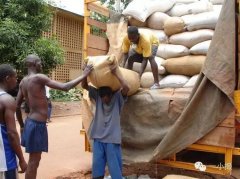
Kenya Coffee Tree Kenya Coffee beans Flavor Africa Kenya grows coffee beans
Coffee trees in Kenya are mostly planted at 1400 m-2000 m above sea level, and the growing areas include Ruiri,Thika, Kirinyaga and Mt. Kenya West, Nyeri, Kiambu and Muranga. Mainly in the foothills of Mt.Kenya and Aberdare. There are many producing areas in Kenya that strive to preserve the native forest ecosystem, protect the natural gene pool, and support the reproduction and breeding of wild coffee varieties.
2016-05-07 Kenya coffee coffee beans flavor Africa planting trees
Coffee originals-Arabica, Robasta, Riperica, Exelsa
There are four original species of coffee: Arabica species in Ethiopia, Robasta and Riperica species in Congo, and Exelsa. The original species are used for breeding and research. So far, there are more than a hundred coffee varieties in the world, of which 76% are Arabica, and 24% are Robasta and Riperica. A: Arabica species (Arabica): at present
2014-09-13 Coffee origin Arabica Robasta Riperica Exelsa
Introduction to the varieties of flavor and taste in the producing area of Costa Rican Saint Roman Coffee Manor.
The research center, located about 30 kilometers northeast of the Costa Rican capital San Jose, belongs to the Costa Rican Coffee Association and is a research institution for villa sarchi planting, breeding and quality inspection newly developed by Costa Rica's national coffee breeds. in addition, it also has 10 hectares of experimental plots, planting a number of excellent varieties. Coffee is the main agricultural product in Costa Rica, with an annual output of more than 2 million bags
2016-09-06 Aroma unique strong Costa Rica Roman coffee manor producing area flavor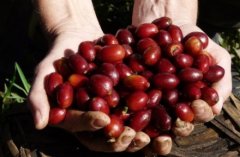
Coffee beans original Arabica, Robasta, Riperica, Exelsa
There are four original species of coffee: Arabica species in Ethiopia, Robasta and Riperica species in Congo, and Exelsa. The original species are used for breeding and research. So far, there are more than a hundred coffee varieties in the world, of which 76% are Arabica, and 24% are Robasta and Riperica. A: Arabica species (Arabica): at present
2015-01-04 Coffee beans original rabbi Robbas Buzz Rippe Rika Ike Sail Cha
Roasting method of White Coffee with low caffeine content baked at low temperature in Malaysia
Why is white coffee not bitter, scorched or sour? Because white coffee is roasted at a low temperature, coffee beans are less likely to be scorched due to high temperature roasting, which can minimize the bitterness, charring and acidity of the coffee. Roasting at low temperature is the most important step for every coffee bean to outline its character and breed its fragrance. The raw beans of white coffee show an elegant brown by roasting, and this method of baking
2016-07-11 White coffee coffee roasting method Malaysia specialty low temperature caffeine content
The flavor and taste of civet coffee the manor area introduces the fine cat poop coffee beans.
After processing and baking, Kopi Luwak has become a luxury coffee drink and spread to luxury kingdoms around the world. Local coffee farmers, in pursuit of high profits, bring wild civets home to raise them so that they can produce more Kopi Luwak. However, the Kopi Luwak produced by breeding civets will be much worse in color and taste. Even so, this kind of coffee
2016-07-19 Musk coffee flavor taste manor producing area introduction boutique cat shit coffee beans
Introduction to the description of Manor Flavor of Coffee planting Environment and Variety producing area in Saint Roman Manor, Costa Rica
The research center, located about 30 kilometers northeast of the Costa Rican capital San Jose, belongs to the Costa Rican Coffee Association and is a research institution for villa sarchi planting, breeding and quality inspection newly developed by Costa Rica's national coffee breeds. in addition, it also has 10 hectares of experimental plots, planting a number of excellent varieties. Coffee is the main agricultural product in Costa Rica, with an annual output of more than 2 million bags
2016-09-19 Costa Rica Roman Manor Coffee planting Environment Variety Flavor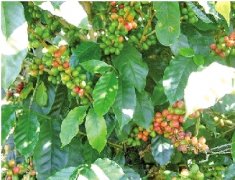
Kenyan boutique coffee Jiatugi processing plant in Kenya Nyeri producing area
There are many producing areas in Kenya that strive to preserve the native forest ecosystem, protect the natural gene pool, support the reproduction of wild coffee varieties and breed a variety of coffee trees. In 1930, the unique varieties of SL28 and SL34 in Kenya, which were cultivated and named by Scott Laboratories laboratory, were born in such a good environment. According to botanists in SL laboratory, SL28 and SL34 are
2016-05-14 Kenya boutique coffee Nyeri producing area home Tuji Gatugi
The species of Manning
Manning is not the name of the producing area, the place name, the port name, nor the name of the coffee breed. How did it get its name? In fact, it is the transliteration of the mandheling people in Mandaining, Indonesia. During the Japanese occupation of Indonesia during World War II, a Japanese soldier drank mellow coffee in a cafe, so he asked the shopkeeper the name of the coffee, and the boss mistook him for asking where you were.
2015-11-27 No no.
Yunnan coffee variety bourbon bourbon coffee bean variety
At present, catimor is the most widely planted in Yunnan, and a small amount of typica,bourbon is planted in Baoshan. Although they all belong to Arabica species on a large scale, these varieties are very different in nature. Iron pickup typica: the most classic high-quality Arabica species, many commercial improvements are derived from this. It is recognized that the taste is excellent.
2015-07-28 Yunnan Coffee Variety bourbon Coffee beans species
The coffee powder is out of date, what should I do?
When you unwittingly clean up your room and find some coffee powder that you forgot before, it's a pity to lose it, and you can't eat it, what should you do? You can turn waste into treasure, it still has a lot of useful places. 1. It can be placed on the soil surface of potted plants, which can prevent the breeding of insects and can also be used as fertilizer. 2. Wrap the coffee grounds with gauze, wipe the stove and pot lid, and have a strong decontamination ability. 3. Use coffee powder with yarn
2014-05-14 Coffee powder coffee beans coffee expired
What are the characteristics of Mantenin coffee beans produced in Sumatra, Indonesia
Mantenin coffee: produced in Sumatra, Indonesia, known as the fullest coffee beans, with a very strong aroma, spicy bitterness, but also with syrup flavor, but the sour taste is not prominent, but there is a strong mellowness, is the German favorite variety, coffee lovers mostly drink alone. It is also an indispensable breed of mixed coffee. Java Coffee: Indonesian
2016-05-24 Produced in Indonesia Sumatra Mante coffee beans with what characteristics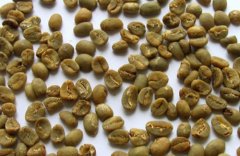
Fine coffee learning--Sumatra first class mantenin coffee mantenin coffee introduction mantenin coffee
Mantenin of Sumatra, a local variety with larger grains, sun-cured. Manteling coffee is a favorite of heavy coffee drinkers. It has a delicate, rich taste, less acidic, but more bitter, rich in authentic coffee flavor. North Sumatra Province is located in the north of Sumatra, the fifth largest island in the world. It is bordered by the Indian Ocean in the west and the Strait of Malacca in the east.
2016-03-28 boutique coffee Sumatra first grade mante presentation produced in
The latest introduction of Yemeni coffee boutique coffee
Yemeni coffee originated from Arabian coffee trees hundreds of years ago, all of which are produced in areas above 3000 feet above sea level. For hundreds of years, the unique planting and production methods of Yemeni coffee have remained almost unchanged. The seedlings of Yemeni coffee trees are first cultivated in nurseries and then transplanted to high elevations. Pesticides and fertilizers are not used in the breeding process. Mature coffee beans are naturally dried on coffee trees and shelled by stone mill.
2015-12-02 Yemen coffee boutique introduction latest origin hundreds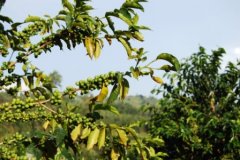
Manning coffee aged manning flavor
Manning is not the name of the producing area, the place name, the port name, nor the name of the coffee breed. How did it get its name? In fact, it is a phonetic error of the mandheling people in Mandaining, Indonesia. During the Japanese occupation of Indonesia during World War II, a Japanese soldier drank mellow coffee in a cafe, so he asked the shopkeeper the name of the coffee, and the boss mistook him for asking you.
2016-06-01 Mante coffee aging flavor mante not district name place name port neither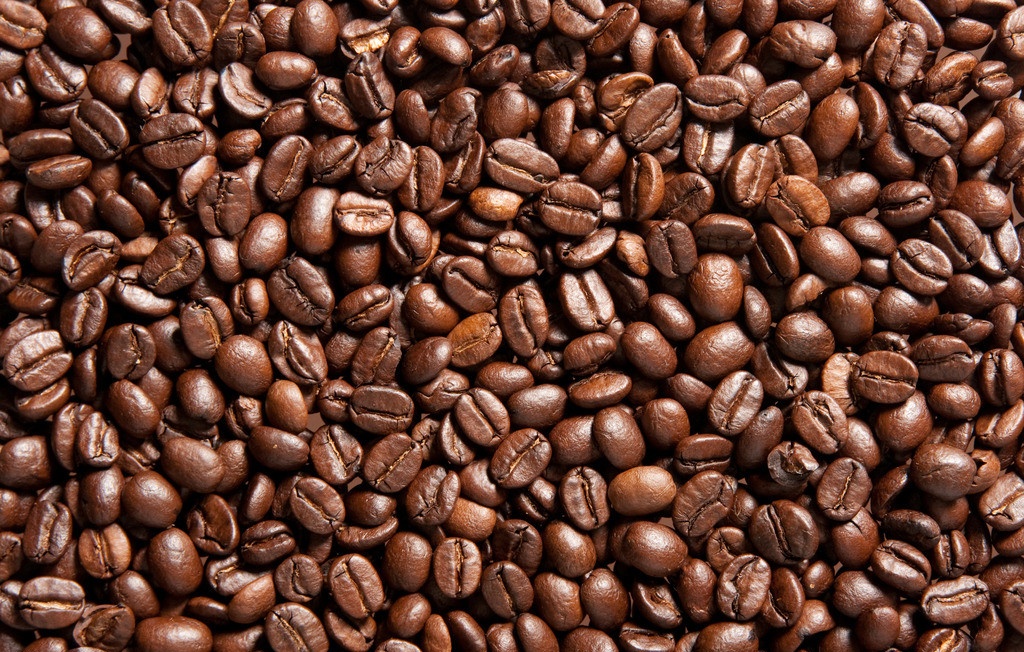
Refreshing Yemeni coffee flavor, characteristics, taste and manor
Yemeni coffee originated from Arabian coffee trees hundreds of years ago, all produced in areas above 3000 feet above sea level. For hundreds of years, the unique planting and production methods of Yemeni coffee have remained almost unchanged. The seedlings of Yemeni coffee trees are first cultivated in nurseries and then transplanted to high elevations. Pesticides and fertilizers are not used in the breeding process. Mature coffee beans are naturally dried on coffee trees and shelled by stone grinding.
2016-08-30 Refreshing Yemeni coffee flavor specialty taste manor Yemen
Costa Rican coffee research
Located about 30 kilometers northeast of San Jose, Costa Rica's capital, this research center belongs to the Costa Rica Coffee Association, which is Costa Rica's national research institution for coffee planting, breeding and quality inspection of Brazilian coffee. In addition, it also has 10 hectares of experimental fields planted with many excellent varieties. Coffee is Costa Rica's main agricultural product, producing more than 2 million bags a year.
2016-06-06 Costa Rica coffee scientific research cultivation located capital San Jose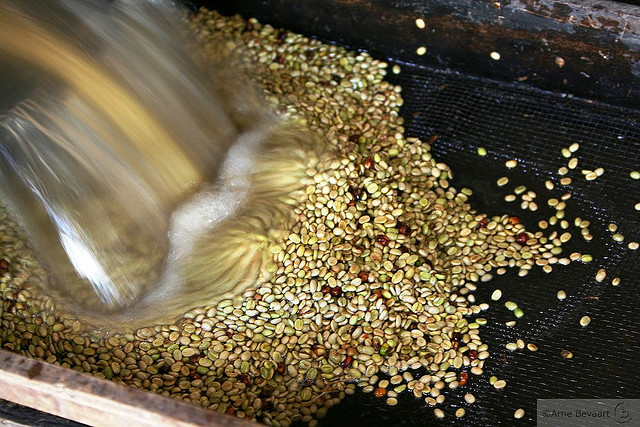
Colombian coffee bean Arabica seed Dikapunkadullah Mondo Dono Wokadu Amarago
Arabica coffee is generally considered to be originated from the Ethiopian plateau, widely distributed in the tropics, after repeated mutation and breeding, derived a lot of varieties. Tibica: this is the closest Arabica species to the native species. Almost all Arabica varieties are derived from this. It is long in bean shape, has excellent aroma and sour taste, but is not resistant to leaf rust.
2016-03-29 Colombia coffee beans rabbi card species Tibby Cabo Panca Dula Dono
What are the characteristics of coffee?
Abyssinia is also a variety introduced to Java in 1928. Indonesia has some cultivation. Acaia is mainly cultivated in Brazil. This is derived from a natural cross of the Sumatra bourbon variety. Arabica is a large coffee variety category, also coffee variety, about 75
2016-06-07 rare coffee variety presentation which