“what are the factors” search results (1000)

How to cook a "good" Espresso
For brewing a cup of "good" Espresso coffee, there are probably several factors that need to be discussed: the composition of coffee beans, the grinding of roasted and preserved coffee beans, the quantity and initial temperature of filling and brewing, the amount of pressure extraction, and other additives if all the above factors can be controlled from beginning to end, "good" Espres
2014-09-09 Coffee knowledge Espresso coffee encyclopedia coffee brewing
Espresso production: elements that should be paid attention to in pressing powder
Previous blog posts have introduced a variety of factors that affect the taste of Espresso. Here is only one of these factors, which is also a very important step in the process of making Espresso. What is assumed here is the ideal state, leaving aside other factors, powder amount, water temperature, degree of grinding, humidity, water pressure, etc., and only consider pressing powder.
2014-09-02 Espresso production pressing powder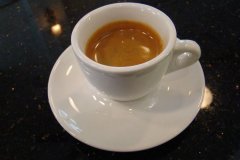
What is espresso related knowledge
The word Espresso comes from Italian, meaning fast, because espresso is delivered to customers as soon as it is made. Double espresso is made from 47 to 62.5 milliliters (1.5 to 2 ounces) of coffee extract, 88 to 95 degrees Celsius of pure water and 9 to 10 atmospheres in 22 to 28 seconds. The coffee extract is extracted from 14 to 16 grams of coffee powder.
2015-08-28 What espresso coffee relevance knowledge Espresso
Three factors have a direct influence on coffee flower drawing.
Cows all grow in the same place and eat the same food. Three factors have a direct impact on milk: Lactose, milk fat and protein content. Lactose sweetens milk. Lactose is a disaccharide molecule, which is composed of galactose and glucose and exists in milk. Lactose does not decompose in water and does not taste sweet when it cools.
2015-03-14 Three points factors coffee flower pull produce direct influence cow grow in the same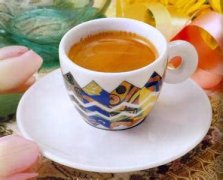
What is the basic common sense of Espresso about "variable cause"?
The third chapter is environmental factors-what is the temperature, sunshine and humidity? in the process of cooking espresso, the factors that affect the quality of espresso are called variables. Some variables are caused by different human skills, while others are not easy to control. For example, the environment of nature is always changing all the time. Face up to these uncertainties,
2015-05-25 Espresso fundamentals Common sense what is variable Chapter 3 Environment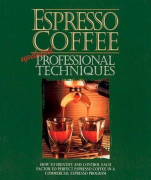
Chapter 3 of "ESPRESSO COFFEE" what is meant by "variable cause"
(Ⅲ) Chapter 3 Environmental factors-what is the variation of temperature, sunshine and humidity in the process of cooking espresso, the factors that affect the quality of espresso are called variables. Some variables are caused by different human skills, while others are not easy to control. For example, the environment of nature is always changing all the time. In the face of these uncertainties, the bar staff must
2015-03-13 ESPRESSO COFFEE Chapter 3 what is variable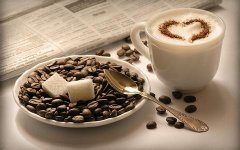
What is the cost of opening a coffee shop? Coffee shop business manual
Almost every day, many students or strangers ask the same question through e-mails, private messages, text messages and other channels: how much does it cost to open a small cafe? In fact, this question can not be explained in a few words, and the answer in a few words can only be deceiving people. The reason is very simple: for cafes of the same size, cities, business circles, floors, fixed
2015-10-09 Open a home coffee shop need what capital entrepreneurship manual platinum coffee college
What is the knowledge of espresso Espresso
The word Espresso comes from Italian, meaning fast, because espresso is delivered to customers as soon as it is made. Double espresso is made from 47 to 62.5 milliliters (1.5 to 2 ounces) of coffee extract, 88 to 95 degrees Celsius of pure water and 9 to 10 atmospheres in 22 to 28 seconds. The coffee extract is extracted from 14 to 16 grams of coffee powder.
2015-03-02 What espresso coffee Espresso relevance knowledge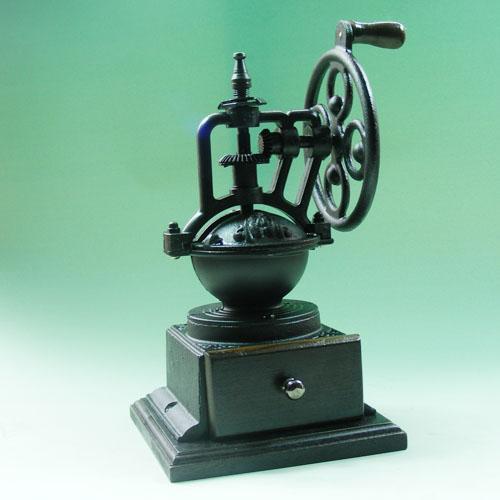
Bean grinder: on the importance of bean grinder in extraction the technology of making a cup of coffee
No matter what kind of extraction method we use, what kind of coffee beans and equipment we use to make a cup of coffee, the grinding quality plays a key role from beginning to end. Many beginners pay great attention to how to choose equipment and equipment, pay attention to brewing methods, but often underestimate the importance of the impact of bean grinders on the product, but do not realize that a cup of good coffee can really be called a fine product.
2015-12-14 Bean grinder talk about grinding bean machine extraction product medium importance ready one cup coffee
Basic knowledge of fine coffee what is espresso
The word Espresso comes from Italian, meaning fast, because espresso is delivered to customers as soon as it is made. Double espresso is made from 47 to 62.5 milliliters (1.5 to 2 ounces) of coffee extract, 88 to 95 degrees Celsius of pure water and 9 to 10 atmospheres in 22 to 28 seconds. The coffee extract is extracted from 14 to 16 grams of coffee powder.
2014-12-09 Boutique coffee basics common sense what concentrated Espres
What is the cost of running a coffee shop and opening a coffee shop?
Almost every day, many students or strangers ask the same question through e-mail, private messages, text messages and other channels: how much does it cost to open a small cafe? In fact, this question can not be explained in a few words, and the answer in a few words can only be deceiving people. The reason is very simple. For cafes of the same size, cities, business circles, floors, positioning, theme, style, and decoration
2014-10-10 Coffee shop operation coffee shop management coffee shop opening
Five major brewing factors of espresso Espresso
The scientific definition of Italian concentration is as follows: coffee bean powder 6.50.5g, brewing water temperature 905℃, brewing water pressure 92bar, brewing time 305s. When we brew espresso, we must take the scientific definition as the basis, but because there are too many factors to pay attention to when brewing a cup of espresso, there are more than 20 different factors. Here we will
2015-04-20 Italian concentrated Coffee Espresso Dachong Factor
What is espresso?
The word Espresso comes from Italian, meaning fast, because espresso is delivered to customers as soon as it is made. Double espresso is made from 47 to 62.5 milliliters (1.5 to 2 ounces) of coffee extract, 88 to 95 degrees Celsius of pure water and 9 to 10 atmospheres in 22 to 28 seconds. The coffee extract is extracted from 14 to 16 grams of coffee powder.
2014-07-16 Espresso espresso coffee mix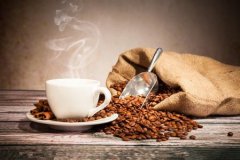
How much do you know about milk? The following three factors have a direct impact on milk
Cows grow in the same place, eat the same food, and three factors directly affect milk: lactose, milk fat, and protein content. Lactose sweetens milk. Lactose is a disaccharide molecule composed of galactose and glucose and blue-shifted in milk. Lactose doesn't break down in water, so it doesn't taste sweet when it's cold.
2015-10-16 milk you know how much following three points factors produce direct influence cow
[coffee artifact] Evaluation of Acaia Scale Intelligent hand-made Electronic scale
What is the most important factor in a good cup of coffee? Raw beans, baking, grinding scale, water temperature, powder-to-water ratio, the last is the level of brewers. What are the factors that a good cook must have? The understanding of coffee, the control of each variable, stable production. So in the bar of every cafe, the scale, water temperature and powder-water ratio are all variables that can be fixed.
2014-06-06 Coffee artifact hand made electronically.
Basic knowledge of coffee beans the grading system of Ethiopian coffee beans
In this age of flamboyant clothes, beautiful masks and expensive silicone, Egyptian beans are obviously not the kind of people who can't resist your appearance. The long and thin bean shape, coupled with its uneven size, always feels a little born with stunting. Fortunately, God is fair, and the Egyptian beans without outstanding appearance have rich connotations (so do many ugly people.
2014-11-19 Coffee knowledge coffee beans coffee basics coffee common sense Ethiopian coffee beans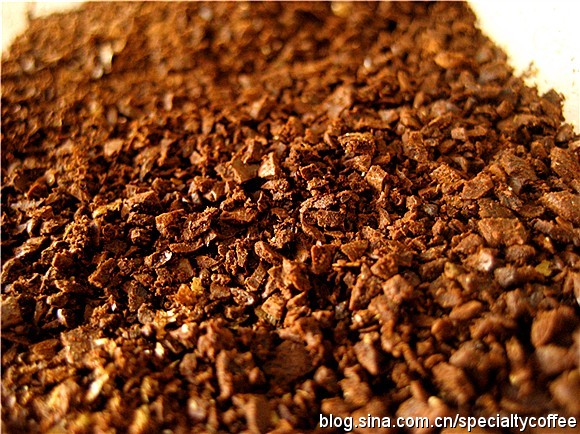
Is it true that coffee can not be extracted twice? What's the difference if the coffee is extracted twice?
Is it true that the coffee granules used can not be extracted twice? This is obviously a funny question, because it really can't be extracted twice.
2016-01-08 Coffee really no secondary extraction if come out there will be what different
A brief introduction to the grading system of coffee beans in Ethiopia
In this age of flamboyant clothes, beautiful masks and expensive silicone, Egyptian beans are obviously not the kind of people who can't resist your appearance. The long and thin bean shape, coupled with its uneven size, always feels a little born with stunting. Fortunately, God is fair, and the Egyptian beans without outstanding appearance have rich connotations (so do many ugly people.
2015-10-12 Ethiopia coffee beans grades systems brief descriptions features this everywhere.
Fine Coffee learn what is espresso
The word Espresso comes from Italian, meaning fast, because espresso is delivered to customers as soon as it is made. Double espresso is made from 47 to 62.5 milliliters (1.5 to 2 ounces) of coffee extract, 88 to 95 degrees Celsius of pure water and 9 to 10 atmospheres in 22 to 28 seconds. The coffee extract is extracted from 14 to 16 grams of coffee powder.
2014-10-20 Coffee knowledge boutique coffee espresso
What are the taboos about drinking coffee in moderation?
Coffee is a kind of drink that people are infatuated with, and it pays attention to the pure taste. Although the amount of coffee is good, excessive and improper drinking will also cause harm to your health, so what are the taboos about drinking coffee? 1. Coffee should not be taken with tea. Tannic acid in tea and coffee reduces iron absorption by 75%. 2. Strong tea, coffee and carbonated drinks are also risk factors for digestive tract ulcer.
2015-08-18 Drinking coffee moderate amount which taboo let people infatuated one drink