“water level” search results (7000)
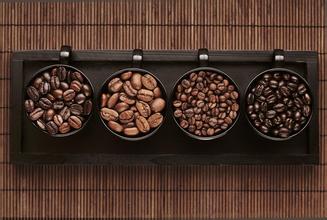
Sidamo coffee beans wash Sidamo boutique coffee beans Ethiopian plateau and other places
Ethiopia is the hometown of Arabica coffee, and it is in the forests of Kaffa that you can see wild Arabica coffee. In Ethiopian, coffee is called Bun or Buna, and coffee beans (coffeebean) may be translated from Kaffa Bun. Arabica coffee was discovered early in the Harar area and is likely to come.
2016-05-22 Xida coffee beans water washing boutique Ethiopia plateau etc.
Ethiopian coffee raw beans introduce cup size in coffee shop
The highest grades of Ethiopian washed coffee Yega Chuefei G1 G2 Sidamo (Yirgacheffe, Sidamo) are Grade 2 and Grade 3 (G2, G3), while most of the sun-processed coffee in eastern Ethiopia are Grade 4 or Grade 5 (G4, G5). In many cases, level 4 coffee is marked as level 5 in order to reduce taxes. At present, the grading is not uniform and messy, because there is also sun processing.
2016-06-07 Ethiopia coffee raw beans introduction coffee shop cup size
Rich volcanic soil, more than 2000 meters above sea level, Bolivian coffee introduction
Although the United States is the largest exporter of instant coffee, not many people in the United States drink instant coffee. In recent years, they pay more and more attention to a healthy diet, the market for decaffeinated coffee is increasing, and the trend of drinking coffee without sugar is becoming more and more common. The origin of American coffee the name of American coffee comes from American soldiers in Europe who mixed hot water into small portions common in Europe during the war.
2016-06-20 Fertile volcanic soil altitude over 2000 m Bolivia coffee introduction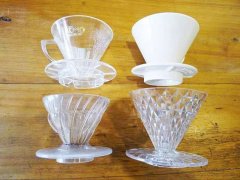
Detailed steps of hand-brewing coffee drinking coffee car boutique coffee beans
The amount of extraction mentioned at the beginning that the ratio of powder to extraction is about 1:20, but that refers to the maximum amount of extraction, so if you do 1: 20:00, the taste of coffee will be relatively much lighter. From the beginning of steaming, coffee particles will begin to absorb hot water and exhaust, about the second to the third time, you will find that coffee begins to be extracted from the filter cup.
2016-06-20 Hand brewing coffee details steps boutique coffee beans
An introduction to the Coffee Culture in Ethiopia
In many cases, level 4 coffee is marked as level 5 in order to reduce taxes. The current classification is not uniform and messy, because there are also first-and second-tier (Grand G2) Yirga Cheffe processed by tanning, but the highest level of Harald (Harar) is level four (G4). The coffee-producing areas of Ethiopia are Sidamo, Harald and Yegashafi (
2016-06-01 Ethiopia coffee culture course introduction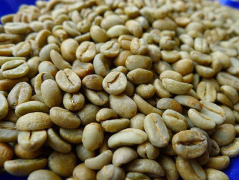
Grade analysis of Ethiopian coffee beans Ethiopian coffee beans are divided into five levels
Ethiopian coffee beans are divided into five levels. The first and second stages are washed beans. Washed beans Grade1 represents 3 defective beans per 300g raw beans, and Grade2 represents 4 defective beans per 300g. Gradc1 grade water washed beans are very rare and are generally difficult to buy. At present, all the washed beans exported from Ethiopia are Grade2 grade. The quality of sun-dried beans is Grade3 and Grade4 in order.
2015-10-22 Ethiopia coffee beans grade analysis divided into five levels coffee
Introduction to the flavor and taste characteristics of Ethiopian coffee manor with rich alcohol thickness
The highest grades of Ethiopian washed coffee Yega Chuefei G1 G2 Sidamo (Yirgacheffe, Sidamo) are Grade 2 and Grade 3 (G2, G3), while most of the sun-processed coffee in eastern Ethiopia are Grade 4 or Grade 5 (G4, G5). In many cases, level 4 coffee is marked as level 5 in order to reduce taxes. At present, the grading is not uniform and messy, because there is also sun processing.
2016-08-29 Thickness richness Ethiopia coffee manor producing area flavor taste characteristics
Introduction to the flavor and taste characteristics of Ethiopian coffee manor with rich alcohol thickness
The highest grades of Ethiopian washed coffee Yega Chuefei G1 G2 Sidamo (Yirgacheffe, Sidamo) are Grade 2 and Grade 3 (G2, G3), while most of the sun-processed coffee in eastern Ethiopia are Grade 4 or Grade 5 (G4, G5). In many cases, level 4 coffee is marked as level 5 in order to reduce taxes. At present, the grading is not uniform and messy, because there is also sun processing.
2016-09-08 Thickness richness Ethiopia coffee manor producing area flavor taste characteristics
Characteristics of grinding degree of Ethiopian coffee with soft acidity introduction to flavor description of varieties
Grade of Ethiopian coffee: Ethiopian washed coffee Yega Chuefei G1 G2 Sidamo (Yirgacheffe, Sidamo) has the highest grades 2 and 3 (G2, G3), while sun-processed coffee in eastern Ethiopia is mostly grade 4 or 5 (G4, G5). In many cases, level 4 coffee is marked as level 5 in order to reduce taxes. At present, the classification is not uniform and there are
2016-10-11 Acidity softness Ethiopia coffee grinding characteristics taste variety producing area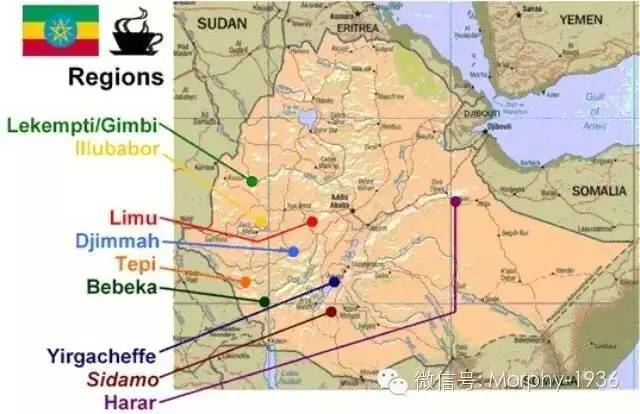
Introduction of boutique coffee beans Ethiopian coffee
Ethiopia is the hometown of Arabica coffee, and it is in the forests of Kaffa that you can see wild Arabica coffee. In Ethiopian, coffee is called Bun or Buna, and coffee beans (coffeebean) may be translated from Kaffa Bun. Arabica coffee was discovered early in the Harald area, probably from Kafa.
2015-07-09 Boutique coffee beans Ethiopia coffee introduction
Flavor characteristics of Ethiopian Fine Coffee Ethiopian Coffee
Ethiopia is the hometown of Arabica coffee, and it is in the forests of Kaffa that you can see wild Arabica coffee. In Ethiopian, coffee is called Bun or Buna, and coffee beans (coffeebean) may be translated from Kaffa Bun. Arabica coffee was discovered early in the Harald area, probably from Kafa.
2016-03-18 Ethiopia boutique coffee flavor characteristics
Basic knowledge of coffee machine which American coffee machine is better?
There are many markets for American coffee machines. Although American coffee machines are simple, can you buy them casually when you choose them? Let's talk about the selection and purchase of American coffee machines. Electrolux ECM3100 drip Coffee Machine / ECM051 drip Coffee Machine ECM3100 has a permanent filter screen, drip-proof design, hinged top cover / pot lid, easy to use. Power cord collection function, water
2015-03-09 Coffee machine basic knowledge American which is better coffee machine market a lot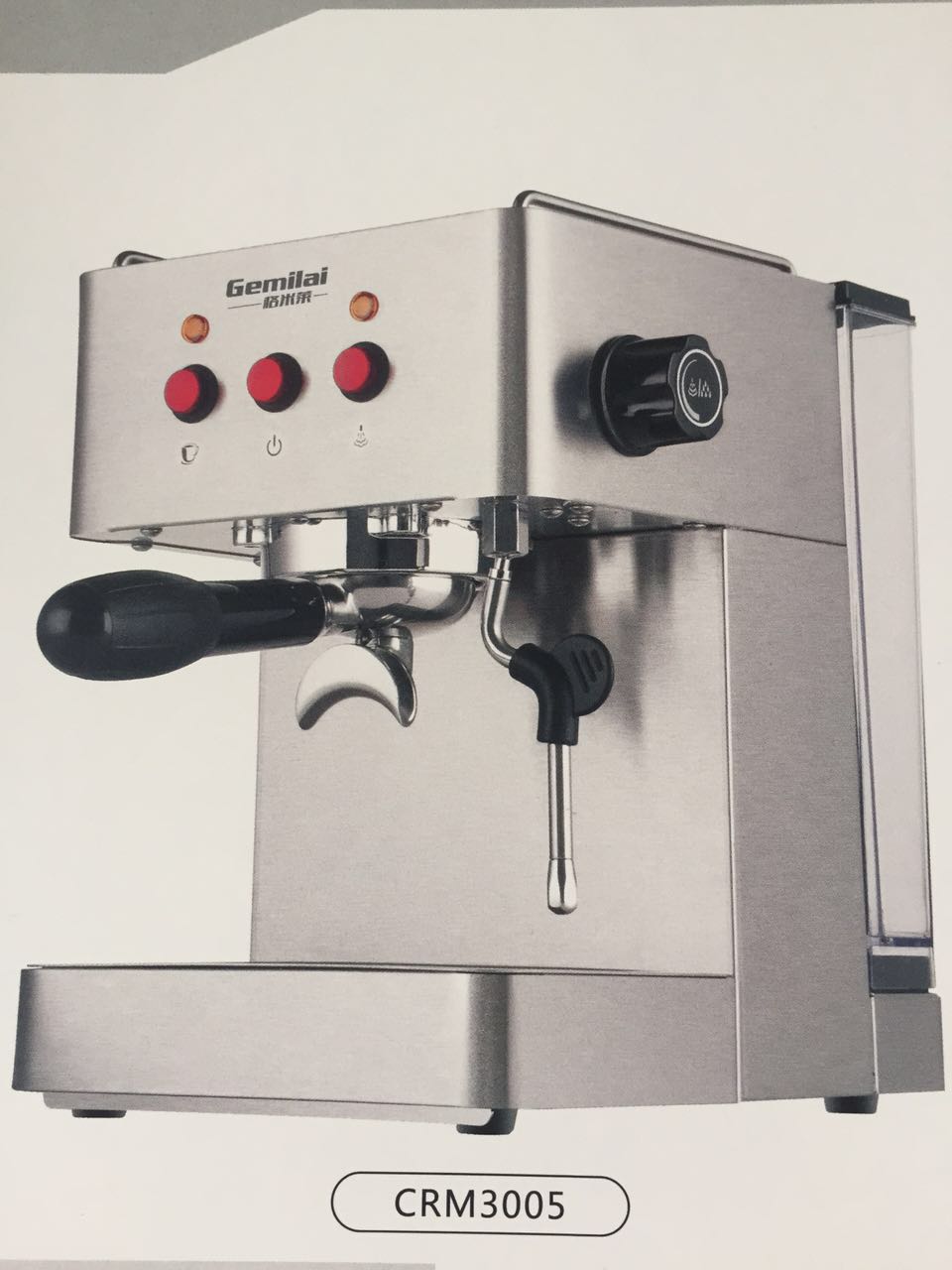
Italian Home Coffee Machine Brand introduction: Gemilai Gemale CRM3005 Home Coffee Machine
Gemilai CRM3005 is an entry-level semi-automatic coffee machine for household use. Professional microcomputer temperature control 2.15Bar pressure steam 3.1.7 L large capacity water tank 4. Professional commercial Italian CREMA filter handle 5.360 rotates commercial professional steam nozzle 6. Built-in electric boiler water level tester 7. Patented design: boiler room pre-soaking technology 8. Safety facilities: pressure
2015-12-23 Italian Home Coffee Machine Gemi Brand introduction Gemilai CRM
How to make fancy coffee taste better
Finns are said to have a mantra to make coffee taste better, which is to say this sentence to the coffee will easily get fragrant delicious coffee.
2014-07-07 Coffee knowledge coffee tips coffee taste coffee encyclopedia
Ethiopian Arabica coffee with rich body Original growing environment Fine coffee
The highest grades of washed Ethiopian coffee Yirgacheffe G1 G2 Sidamo are Grade 2 and Grade 3 (G2, G3), and the coffee processed in the sun in eastern Ethiopia is mostly Grade 4 or Grade 5 (G4, G5). In many cases, fourth-grade coffee is labeled as five-grade in order to reduce taxes. Now the classification is not very uniform, some chaos, because there are sun processing
2016-08-19 thickness richness ethiopia rabbi coffee origin flavor cultivation environment
Ethiopia YCFCU Water washing Yegashifedama Cooperative G2 level
There are eight major producing areas in Ethiopia: Ekempti, Limu, Illubabor, Djimma, Harrar, Teppi/Bebeka, Sidamo and Yirgacheffe. Yirgacheffe is located in the Gedeo region of southern Ethiopia, and the jurisdiction of this area is better known as Yegashafi and Kochere. Because of Yirgacheffe
2016-05-14 Ethiopia YCFCU Water washing Yega Sheffield Dama Cooperative Yesso
Ethiopia YCFCU Water washing Yegashifedama Cooperative G2 level
There are eight major producing areas in Ethiopia: Ekempti, Limu, Illubabor, Djimma, Harrar, Teppi/Bebeka, Sidamo and Yirgacheffe. Yirgacheffe is located in the Gedeo region of southern Ethiopia, and the jurisdiction of this area is better known as Yegashafi and Kochere. Because of Yirgacheffe
2016-05-18 Ethiopia YCFCU Water washing Yega Sheffield Dama Cooperative Yesso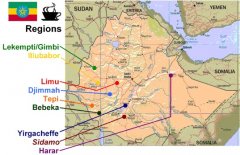
Introduction to Ethiopian Coffee, the hometown of Arabica Coffee
Ethiopia is the hometown of Arabica coffee, and it is in the forests of Kaffa that you can see wild Arabica coffee. In Ethiopian, coffee is called Bun or Buna, and coffee beans (coffeebean) may be translated from Kaffa Bun. Arabica coffee was discovered early in the Harald area, probably from Kafa.
2015-01-09 Rabbi coffee hometown Ethiopia introduction rabbi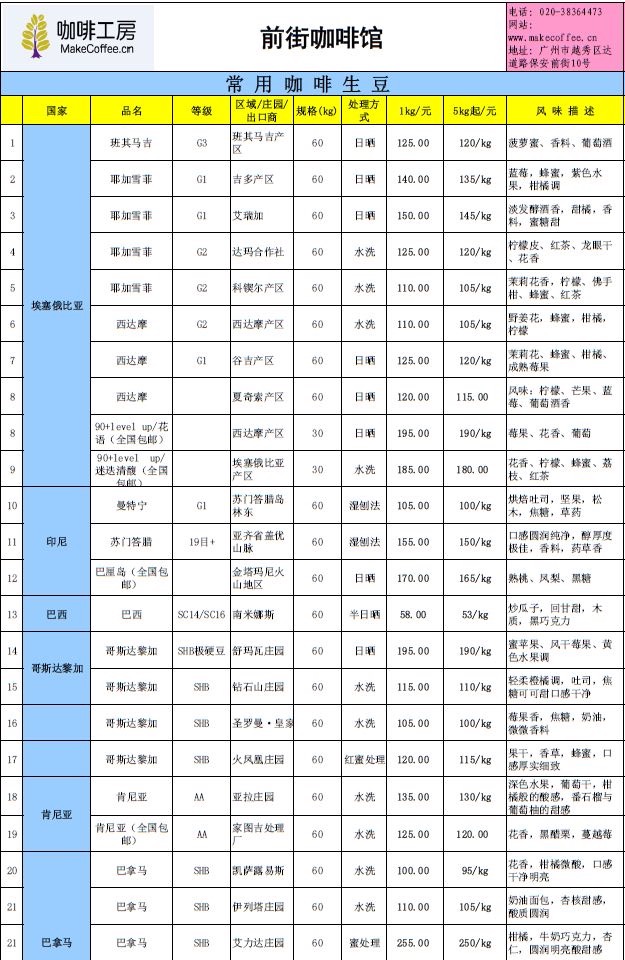
Coffee raw bean price Ethiopian water wash Yega Xuefei boutique coffee raw bean Dama cooperative G2 level
There are eight major producing areas in Ethiopia: Ekempti, Limu, Illubabor, Djimma, Harrar, Teppi/Bebeka, Sidamo and Yirgacheffe. Yirgacheffe is located in the Gedeo region of southern Ethiopia, and the jurisdiction of this area is better known as Yegashafi and Kochere. Because of Yirgacheffe
2016-04-13 Coffee raw beans price Ethiopia water washing Yega Sheffield boutique Dama
Ethiopian coffee introduction Ethiopian coffee beans exquisite coffee beans and introduction
Ethiopia is the hometown of Arabica coffee, and it is in the forests of Kaffa that you can see wild Arabica coffee. In Ethiopian, coffee is called Bun or Buna, and coffee beans (coffee bean) may be translated from Kaffa Bun. Arabica coffee was discovered early in the Harald area.
2016-04-30 Ethiopia coffee introduction coffee beans exquisite