“tree needs” search results (5000)
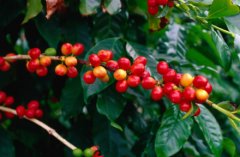
The picking of coffee beans coffee beans are the seeds of coffee trees.
Coffee beans are the seeds of coffee trees. After 3-4 years of growth, the coffee tree matures and begins to bear fruit in clusters or clusters along the branches. The outside of the seed is a layer of peel, which can be picked as soon as it turns red. Under the red skin (exocarp) there is a layer of pulp (mesocarp), which is a small thin layer, and then a layer of material endocarp like parchment. In all
2015-09-08 Coffee beans picking coffee tree knot coffee bean over 3-4
What environmental conditions do you need to grow coffee? Nanyang flavor white coffee quality
However, not all the areas with the above conditions can become coffee producing areas, and suitable soil conditions are needed to cultivate high-quality coffee. Loose, fertile, deep soil and well-drained soil are important conditions for growing coffee. In addition, the soil properties should be sour, and the PH value is between 5.5 and 6.5. I still remember a long time ago there was an advertisement for Colombian coffee, in which
2016-06-06 Planting coffee need what environment conditions Nanyang flavor white coffee qu
The skills of planting and harvesting Coffee the growth status of coffee trees
The first people to drink coffee lived in Ethiopia. A drink called Buncham was found in the Arab scientific literature of 900-1000 AD, but it is not certain that it is coffee. These documents mainly record the scientific value of this bean called Buncham. In addition to introducing the protective effects of this drink on the stomach, organs and skin, the author also mentioned that it can make
2015-10-07 Coffee planting harvesting skills growth condition
Introduction to Coffee trees
First, the planting and regional distribution of coffee trees. Botanically, coffee trees belong to the subgenus Rubiaceae, but coffee beans, commonly known as coffee beans, are actually the seeds of the fruit of coffee trees, just because they are shaped like beans, so they are called coffee beans. Climate is the decisive factor for coffee cultivation. Coffee trees are only suitable for growing in the tropics or subtropics, so the latitude between south and north is between 25 degrees.
2014-11-07 Coffee knowledge coffee common sense coffee tree
Detailed Analysis of four cultivation Systems of Coffee in Ethiopia
Forest coffee (Forest Coffee): wild coffee, which accounts for 10% of Ethiopia's national output, is distributed in the wild coffee forest areas of the west and southwest, also known as the Kafa forest. The dense trees here provide the most natural shade for coffee trees and do not need manual care. Mother Earth is in charge of birth, aging, sickness and death, and coffee farmers can go directly to the woodland to harvest. Hansen
2015-02-12 Ethiopia Coffee four cultivation system detail Analysis Forest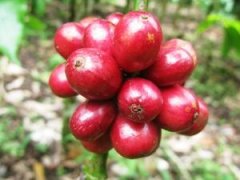
Detailed Analysis of four cultivation Systems of Coffee in Ethiopia
Forest coffee (Forest Coffee): wild coffee, which accounts for 10% of Ethiopia's national output, is distributed in the wild coffee forest areas of the west and southwest, also known as the Kafa forest. The dense trees here provide the most natural shade for coffee trees and do not need manual care. Mother Earth is in charge of birth, aging, sickness and death, and coffee farmers can go directly to the woodland to harvest. Hansen
2015-10-22 Ethiopia Coffee four cultivation system detail Analysis Forest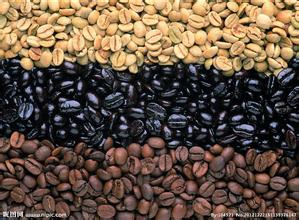
Varieties of coffee beans how long does it take for coffee trees to blossom
The Liberian species, the large seed species, is native to Liberia in Africa, as well as a few countries such as Malaysia. Its cultivation history is slightly shorter than the other two coffee trees. Liberian coffee trees are suitable for growing in lowlands. Its trunk is high and strong, it is 18 meters high, its leaves are large and tough, and its fruits and coffee beans are also very large. Its seed coat is close to the seed kernel and is scarlet when it is mature. Cited
2016-06-08 Coffee beans varieties coffee flowering need how long Libby subspecies large grains produced in
Coffee shop on the tree interesting coffee shop close to nature cafe recommendation
A tree is an outdoor coffee shop-this is one of the most enjoyable things that Byggstudio, a design company, brings to people's life: in Stockholm, the whole coffee shop is designed around a big tree. Tables and chairs are swings hanging from the tree trunk, high and low, low can be directly up, while high, need to pick up the rope ladder. When the small blow, the leaves whirling, light
2016-04-25 Tree coffee shop fun closeness nature recommendation tree that is one
Introduction of Coffee planting methods what conditions are needed for Coffee Tree planting
The most common way to control coffee bean disease is gray leaf spot, which is caused by a half-known fungus in fungi, which mainly harms the leaves. At the beginning, a light brown spot appeared in the middle of the leaf, and then a gray mildew was produced on the spot. Before or at the initial stage of the disease, 65% Dysen zinc solution 500 times or 800 times 1000 times was sprayed to remove and treat. Insect pests mostly occur in late spring and early summer, especially aphids.
2016-08-03 Coffee planting methods introduction needs what conditions types diseases and insect pests control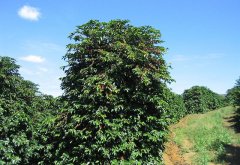
Roasting of Coffee and planting of Coffee trees
Coffee is a perennial evergreen shrub or small tree of Rubiaceae. It is a horticultural perennial cash crop with the characteristics of fast growth, high yield, high value and wide market. Wild coffee trees can grow to a height of 5 to 10 meters, but coffee trees planted on the manor are often cut to less than 2 meters in order to increase their fruit and facilitate harvesting. The first flowering period of a coffee tree is about the age of the tree.
2015-11-04 Coffee roasting species planting coffee grasses perennials evergreen shrubs trees
The coffee growing belt lies in the tropics between the Tropic of Cancer and the Tropic of Cancer.
Most of the coffee producing areas in the world are located in the tropics between the Tropic of Cancer and the Tropic of Cancer, which we call the coffee belt and Coffee Belt or Coffee Zone in English. As a tropical cash crop, coffee trees grow in coffee belts with excellent climatic conditions, where the sun shines all the year round, is rich in calories and Rain Water, and the annual average temperature is above 20 ℃. But the high temperature
2015-01-19 Coffee planting located Tropic of Cancer occasional tropical regional global most
Detailed Analysis of four cultivation Systems in Coffee producing areas of Ethiopia
Forest coffee (Forest Coffee): wild coffee, which accounts for 10% of Ethiopia's national output, is distributed in the wild coffee forest areas of the west and southwest, also known as the Kafa forest. The dense trees here provide the most natural shade for coffee trees and do not need manual care. Mother Earth is in charge of birth, aging, sickness and death, and coffee farmers can go directly to the woodland to harvest. Hansen
2015-12-25 About Ethiopia coffee producing areas four cultivation system detailed analysis
A detailed analysis of the whole process of a coffee from coffee seed to coffee tree and then to coffee bean picking
The first people to drink coffee lived in Ethiopia. A drink called Buncham was found in the Arab scientific literature of 900-1000 AD, but it is not certain that it is coffee. These documents mainly record the scientific value of this bean called Buncham. In addition to introducing the protective effects of this drink on the stomach, organs and skin, the author also mentioned that it can make
2015-12-29 One coffee seed and then coffee beans picking the whole process detailed analysis
The coffee growing belt is located in the tropics between the Tropic of Cancer and the Tropic of Cancer.
Most of the coffee producing areas in the world are located in the tropics between the Tropic of Cancer and the Tropic of Cancer, which we call the coffee belt and Coffee Belt or Coffee Zone in English. As a tropical cash crop, coffee trees grow in coffee belts with excellent climatic conditions, where the sun shines all the year round, is rich in calories and Rain Water, and the annual average temperature is above 20 ℃. But the high temperature
2015-10-20 Coffee planting producing areas located in Tropic of Cancer occasional tropical regional global large
The process of planting and picking Coffee basic knowledge of Coffee
The first people to drink coffee lived in Ethiopia. A drink called Buncham was found in the Arab scientific literature of 900-1000 AD, but it is not certain that it is coffee. These documents mainly record the scientific value of this bean called Buncham. In addition to introducing the protective effects of this drink on the stomach, organs and skin, the author also mentioned that it can make
2015-02-16 Coffee planting picking process basics common sense
The production of coffee, the planting technology of coffee manor.
Arabica coffee and Robbite coffee are harvested once every 3 to 4 years, and their lifespan varies due to different production conditions and different degrees of care (usually 20 to 30 years, after which they have to be replanted). Both varieties need plenty of sunlight and moisture. Arabian coffee trees like the seasonal climate of 15-24 ℃; Robbins like warm.
2016-06-06 Coffee yield planting technology manor Arabian coffee Robbins all 4
Four major cultivation systems of Ethiopian coffee analyze in detail how Ethiopian coffee is cultivated.
Forest coffee (Forest Coffee): wild coffee, which accounts for 10% of Ethiopia's national output, is distributed in the wild coffee forest areas of the west and southwest, also known as the Kafa forest. The dense trees here provide the most natural shade for coffee trees and do not need manual care. Mother Earth is in charge of birth, aging, sickness and death, and coffee farmers can go directly to the woodland to harvest. Hansen
2016-03-16 Ethiopia coffee big four cultivation system detailed analysis how forest
Introduction to the basic knowledge of Fine Coffee
First, the planting and regional distribution of coffee trees. Botanically, coffee trees belong to the subgenus Rubiaceae, but coffee beans, commonly known as coffee beans, are actually the seeds of the fruit of coffee trees, just because they are shaped like beans, so they are called coffee beans. Climate is the decisive factor for coffee cultivation. Coffee trees are only suitable for growing in the tropics or subtropics, so the latitude between south and north is between 25 degrees.
2015-04-22 Boutique coffee basics common sense introduction planting region distribution botany
What's the difference between coffee beans and coffee? how to make good siphon coffee?
Arabica coffee and Robbite coffee are harvested once every three or four years, and their lifespan is also different due to different production conditions and different degrees of care. Both varieties need plenty of sunlight and moisture. Arabian coffee trees prefer a seasonal climate of 15 degrees Celsius and 24 degrees Celsius, while Robbins prefer a warm equatorial climate, where temperatures are stable in the range of 24 degrees Celsius to 29 degrees Celsius.
2016-06-06 Coffee beans coffee what different place how make delicious siphon Allah
The growth cycle of coffee and picking coffee beans are the seeds of coffee trees.
Coffee beans are the seeds of coffee trees. After three or four years of growth, the coffee tree matures and begins to bear fruit, with one fruit arranged in clusters or clusters along the branches. The outside of the seed is a layer of peel, which can be picked as soon as it turns red. Under the red skin (exocarp) there is a layer of pulp (mesocarp), which is a small thin layer, and then a layer of material endocarp like parchment. In
2015-10-17 Coffee growth cycle picking coffee beans tree knots coffee over