“the nature of coffee beans” search results (10000)
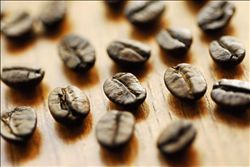
Ethiopia Yega Xuefei Coffee Raw Bean
Ethiopia's Yega Chuefei has a floral fragrance, making it the most famous boutique raw bean in the world. It is particularly mild, with a floral fragrance, an afterscent around the tip of the tongue, and a gentle texture, all of which have become unique characteristics of Yejia Xuefei. Over the past few decades, Ethiopia's Yejasuefei raw beans have been processed by washing, that is, through the natural enzyme solution.
2016-06-06 Ethiopia Yega Sheffield Coffee Raw Bean
Coffee bean treatment method introduction of coffee bean treatment
In the process of washing, the peel and pulp of the fruit are treated with a special desizing machine and the coffee beans are peeled off. The coffee beans then enter the fermentation tank for fermentation treatment so that the mucous membrane is no longer sticky. The sugars in the mucous membrane are decomposed during fermentation. Depending on the fermentation method, the fermentation time is usually 12 hours to 6 days (some growers use the watering system to ferment coffee beans. This kind of square
2016-07-22 Coffee beans treatment method introduction washing process fruit peel
Introduction of Ethiopian Coffee producing areas with unique Natural conditions
Ethiopian coffee beans grow in close to the natural environment, after years of planting under the same growth conditions, Ethiopian coffee beans have gradually adapted to the environment here. More than 60% of coffee beans are grown in forests or semi-forests. Large-scale coffee-growing villages account for about 35% of the country's total coffee production. Many of these are used.
2016-06-21 Youde Tiandu thick Natural conditions Ethiopia Coffee producing areas introduction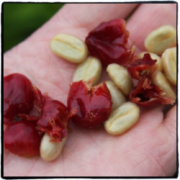
Boutique coffee common sense natural decaf Laurina
There are always some people who can't accept caffeine for various reasons, but like the aroma and taste of coffee. Therefore, in the past, we used manual treatment (such as Swiss water treatment) to remove caffeine from coffee beans as much as possible. The level of artificially processed decaf coffee has been improving, but there will always be people who think that its flavor will be worse than it was before caffeine was removed. Scientists also
2015-01-13 Boutique coffee common sense natural low cause Laurina yes part of it.
With rich natural strips, the growing environment of Guatemalan coffee beans
Guatemala is bordered by Mexico to the north, Honduras and El Salvador to the south, the Caribbean to the east and the Pacific Ocean to the west, surrounded by mountains and seas, with tropical rain forests, volcanic geology, plateau valleys and ever-changing microclimate. Agriculture is the main source of economy, and the main agricultural product is coffee. Guatemalan coffee once enjoyed a reputation as the best quality coffee in the world.
2016-06-16 Own rich natural Guatemala coffee beans planting environment north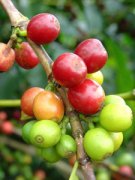
Brazilian coffee beans processing Brazilian coffee green beans wholesale coffee beans American coffee beans
The four most common treatments for Brazilian coffee are sun, desizing, half-washing and washing, with sun being the most popular. Since the harvest seasons of Cerrado Mineiro and Mogiana Paulista, Brazil's two main producing areas, are both dry seasons of the year, natural solarization is common in this area.
2016-07-08 Brazil coffee beans processing way coffee green beans wholesale America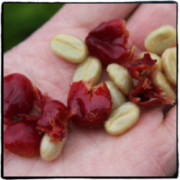
Coffee Knowledge Natural Decaf Coffee Laurina
There are always some people who can't accept caffeine for various reasons, but like the aroma and taste of coffee. Therefore, in the past, we tried to remove caffeine from coffee beans by manual treatment (such as Swiss water treatment method). The level of artificially processed decaf coffee has been increasing, but there is always the perception that it will taste worse than it did before decaffeination. scientists also
2014-09-27 Coffee knowledge Decaf coffee Coffee encyclopedia
Hawaiian Kona Coffee Fresh Natural Mild
Kona Coffee is a rich and sour coffee bean, grown in a unique climate that creates the perfect flavor of Kona Hawaii: Hawaiian beach, monsoon and volcanic. Hawaiian Kona coffee beans are the most beautiful coffee beans in the world. They are unusually full and shiny. Kona coffee beans are evenly shaped, with intense acidity and sweetness. They taste wet and smooth.
2015-11-20 Hawaii Kona Coffee Fresh Natural Warm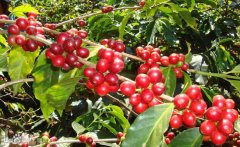
Brazilian coffee green beans processing technology American coffee beans honey processing commercial Brazilian beans green beans
The four most common treatments for Brazilian coffee are sun, desizing, half-washing and washing, with sun being the most popular. Since the harvest seasons of Cerrado Mineiro and Mogiana Paulista, Brazil's two main producing areas, are both dry seasons of the year, natural solarization is common in this area.
2016-06-28 Brazil Coffee Green beans Processing Craft Americas Coffee beans Commercial
Cuban Crystal Mountain Coffee Variety characteristics Fine Coffee beans Flavor description Taste Manor
In 1748, coffee was introduced into Cuba from Domiga, and Cuba began to grow coffee ever since. With fertile land, humid climate and abundant Rain Water, Cuba can be called a natural treasure land for coffee cultivation. The suitable natural conditions provide a favorable natural environment for the growth of coffee trees, and coffee is well planted and developed here. In Cuba, the cultivation of coffee is regulated by the state. Cuba is the best
2016-09-29 Cuba Crystal Mountain coffee varieties characteristics boutique coffee beans flavor description mouth
Introduction of El Salvador Coffee Manor with rich natural hot springs
A supplementary note about this hot spring: the water temperature of the source is 85 degrees. A 2-inch pipe is used to direct the water to six hot spring pools at different elevations. The temperature is 32 degrees 34 degrees at the sixth hot spring pool. Then use the cooled hot spring water to process raw coffee beans. This hot spring water keeps flowing all the year round. Local people drink this hot spring water. Its PH value is 8.02.
2016-07-05 Own rich natural hot springs El Salvador coffee manor producing area introduction customs
Characteristics of Cuban Crystal Coffee Flavor and Taste of Cuban Coffee beans
In 1748, coffee was introduced into Cuba from Domiga, and Cuba began to grow coffee ever since. With fertile land, humid climate and abundant Rain Water, Cuba can be called a natural treasure land for coffee cultivation. The suitable natural conditions provide a favorable natural environment for the growth of coffee trees, and coffee is well planted and developed here. In Cuba, the cultivation of coffee is regulated by the state. Cuba is the best
2016-07-30 Cuba Crystal Coffee characteristics Coffee beans Flavor Taste introduction Fine products 17
Indian Plantation A Coffee is called "very natural gold nugget".
India is the first country in Asia to grow coffee, and India's A-grade coffee beans have always been a kind of coffee strongly concerned by coffee lovers all over the world. Its flavor and taste features: uniform particles, rich taste, slippery and delicious. The cultivation of Indian coffee originated from their colonists, the British. As early as the 17th and early 18th centuries, the English were not as addicted to tea as they are now.
2015-06-01 India plantations coffee very natural nuggets known as
Description of Coffee Flavor in Crystal Mountain, Cuba; introduction to the taste of fine coffee
In 1748, coffee was introduced into Cuba from Domiga, and Cuba began to grow coffee ever since. With fertile land, humid climate and abundant Rain Water, Cuba can be called a natural treasure land for coffee cultivation. The suitable natural conditions provide a favorable natural environment for the growth of coffee trees, and coffee is well planted and developed here. In Cuba, the cultivation of coffee is regulated by the state. Cuba is the best
2016-10-09 Cuba Crystal Mountain coffee flavor description producing area characteristics boutique taste introduction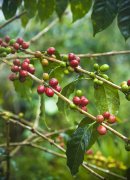
Brazilian Green Coffee Processing Craft Coffee Green Coffee Merchant American Fine Coffee
The four most common treatments for Brazilian coffee are sun, desizing, half-washing and washing, with sun being the most popular. Since the harvest seasons of Cerrado Mineiro and Mogiana Paulista, Brazil's two main producing areas, are both dry seasons of the year, natural solarization is common in this area.
2016-06-24 brazil coffee green beans processing craft americas fine common
Taste mild, Ecuadorian coffee producing area manor introduces San Cristobal producing area
The coffee beans produced in Guadore's Galapagos Islands are organic coffee beans, thanks to the unique ecological environment such as volcanic soil and microclimate, coupled with the fact that they do not use any chemical fertilizers or pesticides, they are recognized as natural green boutique coffee. this naturally grown coffee has a mild taste with a hint of flowers and fruit and caramel. It is understood that the Galapagos Islands are far from Ecuador.
2016-07-12 Taste mild Ecuador coffee producing area manor introduction Crystal Val
Indian Plantation A Coffee, known as "very natural nuggets".
India is the first country in Asia to grow coffee, and India's A-grade coffee beans have always been a kind of coffee strongly concerned by coffee lovers all over the world. Its flavor and taste features: uniform particles, rich taste, slippery and delicious. The cultivation of Indian coffee originated from their colonists, the British. As early as the 17th and early 18th centuries, the English were not as addicted to tea as they are now.
2015-09-15 Very natural nuggets known as India plantations coffee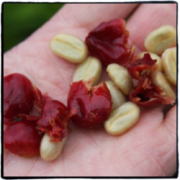
Natural decaf Laurina
There are always some people who can't accept caffeine for various reasons, but like the aroma and taste of coffee.
2014-05-20 Coffee knowledge decaf boutique coffee
"acidity", "quality" and "flavor" of Ethiopia's Bancimagi Coffee Manor
Ethiopia is the birthplace of the famous Arabica coffee beans, and people have always maintained the tradition of harvesting wild coffee beans. The coffee garden at an altitude of more than 1500 meters has formed a unique coffee style after thousands of years of evolution and adaptation. Ethiopian coffee grown in the natural wild environment is called wilderness coffee, which retains the most primitive and natural taste of coffee beans.
2016-09-07 Acidity quality flavor Ethiopia Banki Maggie coffee manor producing area
Treatment of coffee beans Coffee beans treated with honey
We know that the three treatment methods of raw coffee beans can be divided into three types. The distinction between each method is based on the fact that several layers of matter are removed from the fruit before the coffee is dried. The following is a list of the three major processing methods: 1. Natural sun treatment: retain all substances 2. Honey treatment: remove the peel and pulp and retain part or all of the mucous membrane (honey) 3. Washing method
2016-07-22 Coffee beans treatment methods white honey coffee raw beans three we