“tara” search results (335)
The most representative producing area of Sulawesi is Traga.
Sulawesi (Sulawesi) aroma 3.5 minutes brightness 4 mellow 4 flavor 4 aftertaste 4 points suitable for baking degree: City/Full city full city is the best to start the pot just before the second explosion. Because the color of Sulawesi is not dark when baking, it is easy to overdo it if you use color as the standard of baking. Sulawesi is also known as Cyberis, which is actually
2016-06-12 Sura Wessie most representative sexual producing area Tara Sul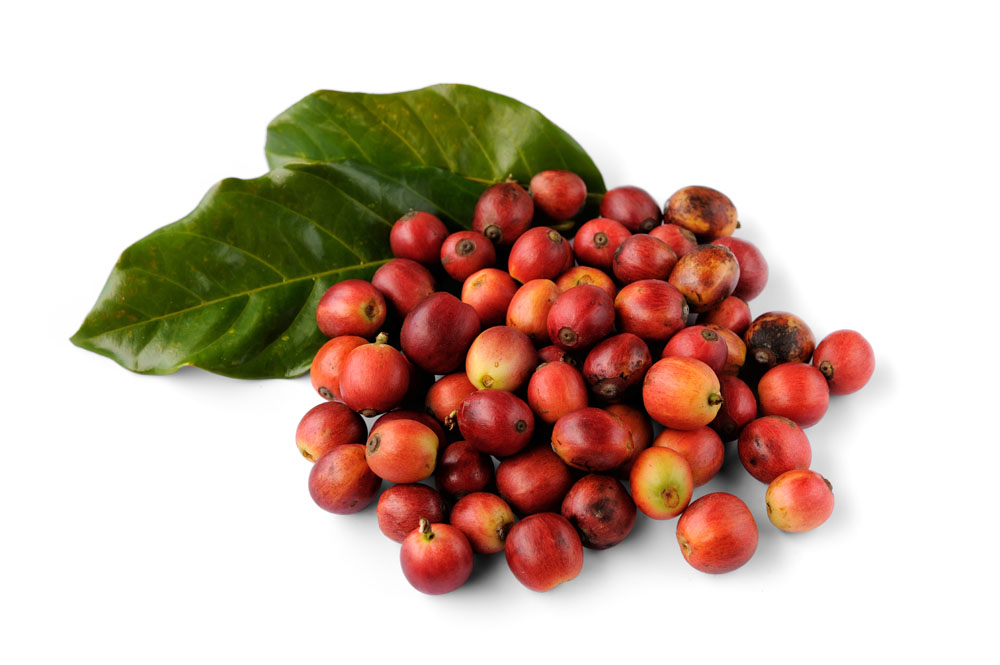
Costa Rica Ponte treatment plant water washing extremely hard beans Costa Rica Kaddura water washing
Costa Rica Ponte processing plant washed extremely hard beans coffee beans details: country: Costa Rica grade: SHB production area: Tara bead baking degree: medium-deep baking method: washing variety: Kaddura treatment plant: Ponte processing plant flavor: solid honey, soft acidity, rich aroma this batch of beans belong to the honey sense of solid acidity, fruit aroma rich and fine
2016-03-18 Costa Rica Ponte treatment plant washing extremely hard Dula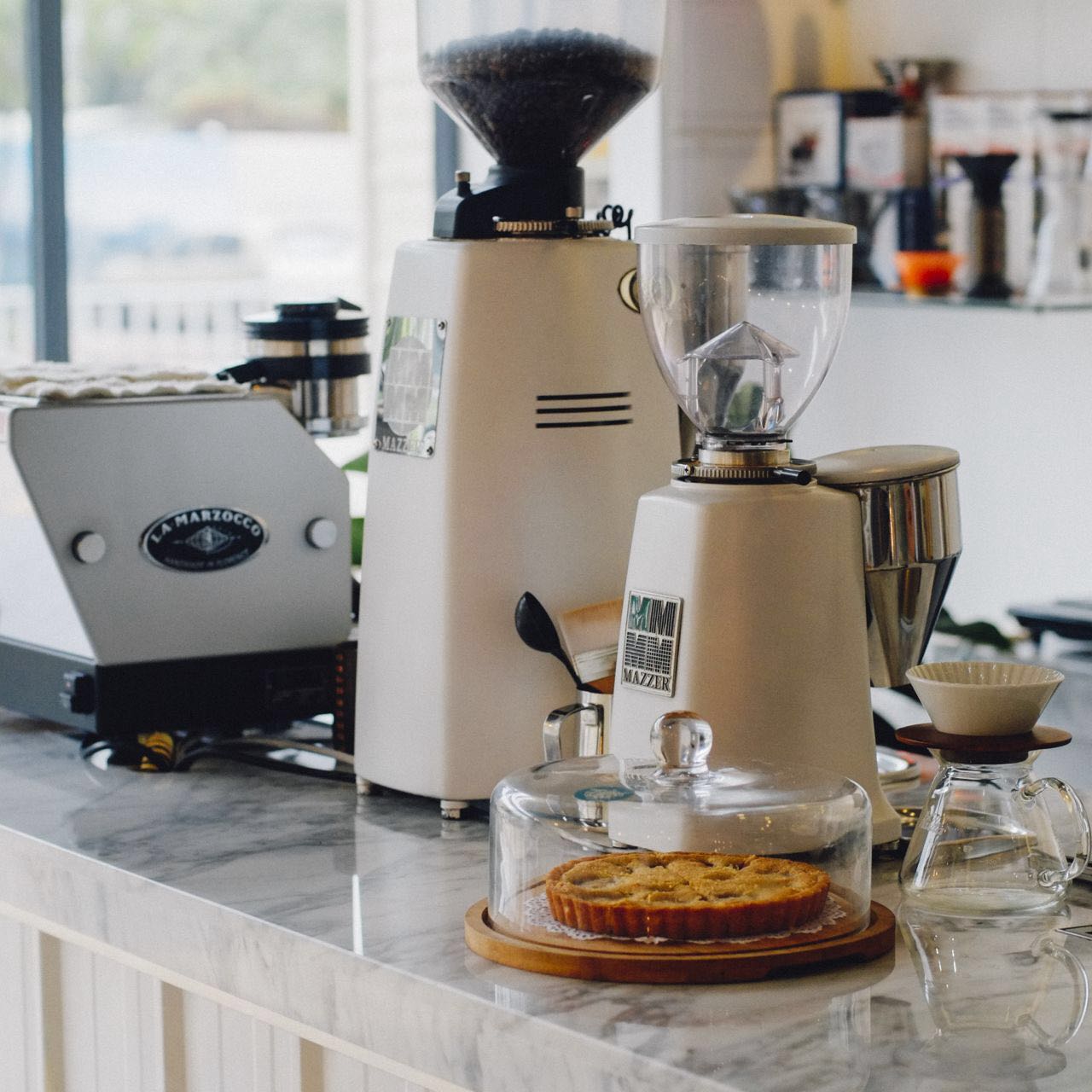
Coffee producing area named Tarasu Tarrazu Mediterranean style Cafe
Tarasu Cafe Tarasu Tarrazu is a coffee producing area in Costa Rica, where we like the coffee produced by two beautiful women, one responsible for coffee quality and the other responsible for dessert production. In order to ensure the quality of the coffee, the shopkeeper visited Yunnan, went deep into Central America and Africa and other coffee producing areas, and directly brought back the coffee that won the top competition in the world. Purchase at home
2016-07-23 Coffee producing area naming Tara Tarrazu Mediterranean style Cafe
Flavor characteristics of Costa Rican Tarazhu Coffee Variety treatment method manor name producing area bean introduction
Flavor: honey, lime, orange blossom, white chocolate taste: sweet taste, soft fruit acid, round and full, lasting baking degree: medium yellow honey: about 40% of the pectin is removed; the drying method needs the most direct heat absorption, receive the most light drying, and last for about 8 days to reach a stable moisture content. Red honey: about 25% of the pectin is removed; compared with yellow honey, when dry
2016-10-20 Costa Rica Tara coffee flavor characteristics taste variety processing manor
Costa Rican boutique coffee roasts single beans most suitable for summer
As many people know in the boutique coffee world, Costa Rica Tarazhu is located in the fertile volcanic region of Central America, where it has a humid climate and fertile volcanic soil, abundant rainfall throughout the year, high altitude and dense forest natural shade. It provides a unique growth environment for coffee growth. Today, the Brista Coffee West Point training school is going to bring for friends.
2015-09-02 Costa Rica boutique coffee roasting suitable summer single product beans
Monteague, an old manor in South Minas.
The Montague Manor, which is smaller than Datra but has a longer history, was founded by the Vieira family in South Minas in 1917. 7.5 million coffee trees are planted on 2700 hectares of farmland, with an annual harvest of 6000 tons of coffee beans, with an average yield of 2.3tons per hectare, which is higher than the average yield of 1.14tons per hectare on Brazilian farms.
2015-02-12 Nanmi Nass veteran Manor Mont Edgar size smaller Tara History
Tarrazu in Costa Rica is one of the major coffee producers in the world.
High-quality Costa Rican coffee is called extra hard beans, and this kind of coffee can grow at an altitude of more than 1500 meters. Altitude has always been a problem for coffee growers. The higher the altitude, the better the coffee beans, not only because the higher altitude can increase the acidity of the coffee beans and thus increase the flavor, but also because the night temperature at the higher altitude is lower, which can make the trees grow slowly.
2016-05-23 Costa Rica Tara Tarrazu the world want coffee origin
Guatemala is mellow and fragrant.
Guatemala is full-bodied according to Guatemalan Antigua, with strong fruity aromas, spices and tobacco aromas. Lots of alively fruity kind of acidity distinctive aroma, spicy / smokey flavor good body. Antigua is bordered by Mexico in the north. Like Tarasu in Costa Rica, Antioch is located in southwest Guatemala.
2016-05-24 Guatemala Suti concentrated Alcohol aromatic Guatema
Tarasu, a coffee producer in Costa Rica.
Located in the south of the country's capital, San Jos, Tarasu is one of the most valued coffee growers in the country. La Minita Tarrazu coffee is a famous local product, but its production is limited, about 72600 kilograms a year. It is grown on a piece of land called La Minita, which is owned by the McAlpine family of England.
2016-06-14 Costa Rica coffee origin Tara Sue is located located in the capital of the country.
Introduction of Costa Rican coffee beans
Located in the south of the country's capital, San Jos, Tarasu is one of the most valued coffee growers in the country. La Minita Tarrazu coffee is a famous local product, but its production is limited, about 72600 kilograms a year. It is grown on a piece of land called La Minita, which is owned by the McAlpine family of England.
2016-06-15 Costa Rica coffee beans introduction Tara Sue is located located in the country capital St.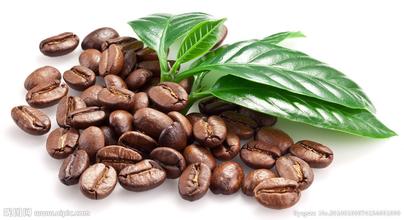
Costa Rica Tarazhu Coffee is famous in the world of fine coffee
Among Costa Rica's many excellent producing areas, there is a famous producing area Tarrazu, also known as Tarrazu. Tarajoo is renowned in the world of fine coffee and is one of the world's leading coffee producers. In the 2014 COE competition, 17 of the 23 listed beans came from Tarasu. Tarasu is located in the fertile volcanic region of Central America.
2016-06-24 boutique coffee world great prestigious Costa Rica Tara presentation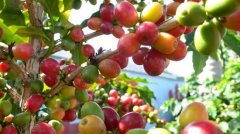
Asian flavor of Sulawesi boutique coffee from Traga mixed with Espresso Italian blend
At present, only a few government-owned estates still produce high-quality Arabica beans, and thanks to the existence of these estates, we can taste excellent java beans. Often seen are Cayumas, Brawan and Gemma (or spelled as Jampit). The taste of these state-owned estates is very clean. Coupled with soft fruit acidity and aroma, Cayumas has a slightly stronger flavor, but
2016-07-07 Tara producing area Sura Wessie Fine goods Coffee Asia Flavor blend Esp
Costa Rican Coffee Manor Goddess Manor introduces the Tarasu producing area in the western valley
Yellow honey: about 40% of the pectin is removed; the drying method requires the most direct heat absorption, receives the most light drying, and lasts for about 8 days to reach a stable water content. Red honey: about 25% of the pectin is removed; it takes longer to dry than yellow honey, and reduces direct exposure to sunlight, even in shading sheds, lasting about 12 days. Black honey: hardly removes pectin
2016-07-13 Costa Rica Coffee Manor Goddess introduction West Valley Tara Soviet region
Introduction to the origin and taste of sixteen boutique coffees
1.RwandaKivu Rwanda-No introduction: Rwandan coffee beans were introduced to Rwanda by German missionaries in the 20th century. Because of Rwanda's superior climate and unique geographical environment, growing coffee beans has a unique fruity and grassy aroma. There are many planting bases in Rwanda, but the coffee beans produced without machines are even better, not only because of their own.
2014-07-02 Coffee knowledge coffee origin boutique coffee coffee taste
Costa Rican Coffee World Coffee Tour Costa Rican Coffee News
Costa Rican coffee was introduced by Cuba in 1729. Costa Rican coffee cultivation now has the most complete government assistance system in the world. Although Costa Rica is the second largest banana exporter in the world, coffee is the second major crop in the country's agriculture. Coffee obviously brings more benefits than bananas. Costa Rica is in geography.
2015-11-21 Costa Rica Coffee World Travel latest News
Costa Rican Coffee characteristics Costa Rican Coffee Origin
Located in the south of the country's capital, San Jos, Tarasu is one of the most valued coffee growers in the country. La Minita Tarrazu coffee is a famous local product, but its production is limited, about 72600 kilograms a year. It is grown on a piece of land called La Minita, which is owned by the McAlpine family of England.
2016-05-26 Costa Rica coffee characteristics origin Tara Sue is located located in the country the capital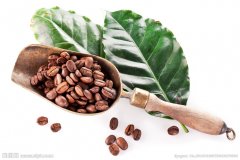
Costa Rican coffee has a bright color, high acidity, proper fullness, and full
Costa Rican SHB is a traditional classical coffee with a good sense of evenness and a mellow aftertaste. Most Costa Rican coffee has a bright color, high acidity, proper fullness, and charming aroma. Most of the coffee trees are recently planted for Kaddura or Katuai. The raw bean processing method adopts water washing type, which is the same as that in other areas.
2016-04-13 Costa Rica coffee color gloss acidity high with appropriate full
Introduction to the origin of Costa Rican coffee Tarasu
Located in the south of the country's capital, San Jos, Tarasu is one of the most valued coffee growers in the country. La Minita Tarrazu coffee is a famous local product, but its production is limited, about 72600 kilograms a year. It is grown on a piece of land called La Minita, which is owned by the McAlpine family of England.
2016-06-01 Costa Rica Coffee Origin introduction Tara Sue is located located in the country
The origin and characteristics of coffee beans Colombian Gustav coffee
Located in the south of the country's capital, San Jos, Tarasu is one of the most valued coffee growers in the country. La Minita Tarrazu coffee is a famous local product, but its production is limited, about 72600 kilograms a year. It is grown on a piece of land called La Minita, which is owned by the McAlpine family of England.
2016-06-04 Coffee beans Origin characteristics Columbia Staf Coffee Tara Sue position
Introduction to the origin and taste of 16 kinds of high-quality coffee
1.RwandaKivu Rwanda-No introduction: Rwandan coffee beans were introduced to Rwanda by German missionaries in the 20th century. Because of Rwanda's superior climate and unique geographical environment, growing coffee beans has a unique fruity and grassy aroma. There are many planting bases in Rwanda, but the coffee beans produced without machines are even better, not only because of their own.
2015-01-09 Coffee basics common sense sixteen boutique origin taste introduction 1.Rwan