“subtropical” search results (1501)

Introduction to the common sense of coffee tree
The origin of the coffee tree is Ethiopia in Africa. In botany, coffee trees belong to the evergreen trees of the subgenus Rubiaceae, and coffee beans, commonly known as coffee beans, are actually the seeds of the fruit of coffee trees. They are called coffee beans only because they are shaped like beans. Climate is the decisive factor for coffee cultivation. Coffee trees are only suitable for growing in the tropics or subtropics, so latitude 25 degrees south and north.
2014-11-26 Coffee knowledge coffee tree knowledge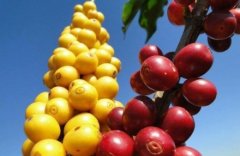
Coffee tree common sense Coffee tree origin in Ethiopia
The coffee tree is native to Ethiopia in Africa. Coffee tree in botany, belongs to the Rubiaceae coffee subgenus evergreen tree, and generally known as coffee beans, in fact, coffee tree fruit seeds, only because of the shape like beans, so called coffee beans. Climate is the decisive factor for coffee cultivation. Coffee trees are only suitable for growing in the tropics or subtropics, so latitude 25 degrees north and south.
2015-01-19 coffee common sense origin Ethiopia Africa
Introduction of Yunnan Simao Coffee with moderate acidity and uniform taste
Simao area of Yunnan Province is between 1000 and 2000 meters above sea level, with mountains and slopes as the main terrain, fertile soil, sufficient sunshine, rich rainfall and large temperature difference between day and night, which is not only the paradise for Arabica planting, but also the key to the production of high-quality Arabica coffee beans. Simao area spans subtropical and tropical climatic zones. The climate is relatively dry and hot, with many dry and hot valleys and barren mountains, which is very suitable.
2016-06-20 Acidity moderate taste even Yunnan Simao coffee introduction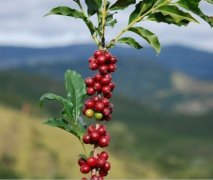
Fine Coffee study the forming Environment of Coffee trees
In botany, coffee trees belong to the evergreen trees of the subgenus Rubiaceae, and coffee beans, commonly known as coffee beans, are actually the seeds of the fruit of coffee trees, just because they are shaped like beans. Climate is the decisive factor for coffee cultivation. Coffee trees are only suitable for growing in the tropics or subtropics, so the zone between latitude 25 degrees south and north is generally called coffee belt or coffee area.
2015-01-07 Boutique Coffee Generation Environment Botany belonging to Grass Family subgenus Evergreen
Basic knowledge of fine coffee Coffee tree knowledge Introduction
The coffee tree is native to Ethiopia in Africa. Coffee tree in botany, belongs to the Rubiaceae coffee subgenus evergreen tree, and generally known as coffee beans, in fact, coffee tree fruit seeds, only because of the shape like beans, so called coffee beans. Climate is the decisive factor for coffee cultivation. Coffee trees are only suitable for growing in the tropics or subtropics, so latitude 25 degrees north and south.
2015-03-04 Boutique Coffee Basics Common Sense Introduction Origin Africa Ethiopia
What conditions do you need to grow coffee trees?
The planting conditions of coffee trees the origin of coffee trees is in Ethiopia, Africa. In botany, coffee trees belong to the evergreen trees of the subgenus Rubiaceae, and coffee beans, commonly known as coffee beans, are the seeds of the fruit of coffee trees, just because they are shaped like beans, so they are called coffee beans. Climate is the decisive factor for coffee cultivation, and coffee trees are only suitable for growing in the tropics or subtropics.
2016-06-13 Coffee cultivation needs what conditions coffee origin Africa
Processing of Fruit of Fruit of Fine Coffee
Coffee is the fruit of a Rubiaceae plant growing about 6000 feet above sea level, distributed on the world's narrow subtropical axis; coffee trees grow green all the year round and can grow up to 20 feet tall, and are generally controlled at 8 to 10 feet for easy harvest. It takes three to five years for the coffee tree to bear fruit. First of all, it produces small white flowers that resemble jasmine in shape and size, and then wither and bear deep fruit.
2014-10-29 Coffee knowledge boutique caffeine coffee fruit coffee processing
General knowledge of high-quality coffee planting requirements and conditions of coffee trees
The origin of the coffee tree is Ethiopia in Africa. In botany, coffee trees belong to the evergreen trees of the subgenus Rubiaceae, and coffee beans, commonly known as coffee beans, are actually the seeds of the fruit of coffee trees. They are called coffee beans only because they are shaped like beans. Climate is the decisive factor for coffee cultivation. Coffee trees are only suitable for growing in the tropics or subtropics, so latitude 25 degrees south and north.
2014-12-15 Boutique coffee common sense planting summation conditions origin Africa Ethiopia
Coffee tree cultivation conditions
The coffee tree is native to Ethiopia in Africa. Coffee tree in botany, belongs to the Rubiaceae coffee subgenus evergreen tree, and generally known as coffee beans, survey is the coffee tree fruit seeds, only because the shape like beans, so called coffee beans. Climate is the decisive factor for coffee cultivation. Coffee trees are only suitable for growing in the tropics or subtropics, so latitude 25 from north to south
2016-06-01 coffee cultivation condition origin Africa Ethiopia botany genus
Coffee tree growth habits, distribution Coffee tree planting knowledge
The coffee tree is native to Ethiopia in Africa. Coffee tree in botany, belongs to the Rubiaceae coffee subgenus evergreen tree, and generally known as coffee beans, in fact, coffee tree fruit seeds, only because of the shape like beans, so called coffee beans. Climate is the decisive factor for coffee cultivation. Coffee trees are only suitable for growing in the tropics or subtropics, so latitude 25 degrees north and south.
2015-11-02 coffee growth habits distribution cultivation common knowledge origin Africa Ethiopia
The two most important coffee varieties in the world
Arabica coffee beans Arabica coffee tree plant morphology is relatively slender shrubs, leaves are oval, green, natural growth height generally up to 5-6 meters, artificial planting needs to control its height at about 3 meters, in order to facilitate future picking. Arabica coffee trees generally have a life span of 20-30 years.
2014-07-09 coffee knowledge coffee varieties arabica robstein
Introduction to Antigua Coffee Latisa Chateau
Guatemala is located in the tropics, the northern and eastern coastal plains have a tropical rain forest climate, the southern mountains have a subtropical climate, the year is divided into two dry and wet seasons, with the wet season from May to October and the dry season from November to April of the following year. The central plateau is also the cultural center of Guatemala, where temperatures are mild all year round at an altitude of 1300 to 1800 meters, with daily temperatures between 18 and 28 ℃, and higher in January
2016-08-03 Monosodium glutamate fine Guatemala coffee manor producing area flavor taste introduction Ann
The world's major coffee producing areas introduce the basic knowledge of fine coffee coffee beans represented by all continents
Coffee comes from coffee beans, which are harvested and processed from the fruit of trees. Coffee trees grow at the center of the equator, between latitudes of 25 degrees south and north, and are called the homes of tropical or subtropical countries called coffee belts. At present, there are about 60 coffee-producing countries. Coffee is produced in South America, Central America, the West Indies, Asia, Africa, Arabia, the South Pacific and
2016-04-29 World main coffee producing area introduction boutique knowledge continent representative
Introduction to the flavor and taste characteristics of El Salvador Himalayan coffee manor
Savanna climate. The plain area belongs to the tropical rain forest climate and the mountain area belongs to the subtropical forest climate. The average annual temperature is 25-28 ℃. The annual precipitation is more than 1800 mm in mountain areas and about 1000 mm in coastal areas. The rainy season is from May to October. Don't underestimate El Salvador's coffee production. In its heyday, it was the world's fourth largest coffee producer, but decades of civil war almost dragged down coffee
2016-08-06 El Salvador Himalaya Coffee Manor producing area Flavor Taste characteristics introduction
A brief introduction to the basic knowledge of Coffee
The origin of the coffee tree is Ethiopia in Africa. In botany, coffee trees belong to the evergreen trees of the subgenus Rubiaceae, and coffee beans, commonly known as coffee beans, are actually the seeds of the fruit of coffee trees. They are called coffee beans only because they are shaped like beans. Climate is the decisive factor for coffee cultivation. Coffee trees are only suitable for growing in the tropics or subtropics, so latitude 25 degrees south and north.
2014-10-29 Coffee knowledge coffee basics coffee tree common sense
Processing of Fruit of High-quality Coffee
Coffee is the fruit of a Rubiaceae plant growing about 6000 feet above sea level, distributed on the world's narrow subtropical axis; coffee trees grow green all the year round and can grow up to 20 feet tall, and are generally controlled at 8 to 10 feet for easy harvest. It takes three to five years for the coffee tree to bear fruit. First of all, it produces small white flowers that resemble jasmine in shape and size, and then wither and bear deep fruit.
2015-01-19 Boutique coffee common sense fruit processing growing at 000 feet above sea level
Summary of processing methods and characteristics of Coffee Fruit
Coffee is the fruit of a Rubiaceae plant growing about 6000 feet above sea level, distributed on the world's narrow subtropical axis; coffee trees grow green all the year round and can grow up to 20 feet tall, and are generally controlled at 8 to 10 feet for easy harvest. It takes three to five years for the coffee tree to bear fruit. First of all, it produces small white flowers that resemble jasmine in shape and size, and then wither and bear deep fruit.
2015-03-04 Coffee common sense fruit processing methods characteristics overview coffee growth altitude
Introduction to the method of describing the Flavor of El Salvador Himalayan Coffee Manor
Savanna climate. The plain area belongs to the tropical rain forest climate and the mountain area belongs to the subtropical forest climate. The average annual temperature is 25-28 ℃. The annual precipitation is more than 1800 mm in mountain areas and about 1000 mm in coastal areas. The rainy season is from May to October. Don't underestimate El Salvador's coffee production. In its heyday, it was the world's fourth largest coffee producer, but decades of civil war almost dragged down coffee
2016-10-13 El Salvador Himalayas Coffee Manors producing areas Flavor description treatment varieties
Summary of the processing and characteristics of Coffee Fruit
Coffee is the fruit of a Rubiaceae plant growing about 6000 feet above sea level, distributed on the world's narrow subtropical axis; coffee trees grow green all the year round and can grow up to 20 feet tall, and are generally controlled at 8 to 10 feet for easy harvest. It takes three to five years for the coffee tree to bear fruit. First of all, it produces small white flowers that resemble jasmine in shape and size, and then wither and bear deep fruit.
2015-04-24 Coffee common sense fruit processing characteristics overview coffee growing in altitude 000
A Summary of the processing and characteristics of Coffee Fruit
Coffee is the fruit of a Rubiaceae plant growing about 6000 feet above sea level, distributed on the world's narrow subtropical axis; coffee trees grow green all the year round and can grow up to 20 feet tall, and are generally controlled at 8 to 10 feet for easy harvest. It takes three to five years for the coffee tree to bear fruit. First of all, it produces small white flowers that resemble jasmine in shape and size, and then wither and bear deep fruit.
2014-11-26 Coffee knowledge coffee common sense coffee fruit