“state-owned” search results (422)

Ethiopian Coffee Features Ethiopian Coffee Flavor Boutique Coffee
Ethiopian coffee beans grow in a near-natural environment. After years of cultivation under the same growing conditions, Ethiopian coffee beans have gradually adapted to the environment here. More than 60% of coffee beans are forest or semi-forest grown coffee. Coffee farming villages produce about 35 percent of the country's coffee. Many of these are used.
2016-07-27 Ethiopia Coffee Characteristics Flavor Boutique Coffee Bean Grown in
Ethiopian coffee species Origin of Ethiopian coffee
Saifeng coffee beans grow in close to the natural environment, after years of planting under the same growth conditions, Ethiopian coffee beans have gradually adapted to the environment here. More than 60% of coffee beans are grown in forests or semi-forests. Large-scale coffee-growing villages account for about 35% of the country's total coffee production. These use multiple layers.
2016-05-27 Ethiopia coffee species origin Serbia Biya coffee beans growing in close to
The books in the cafe are actually the books in the city library. Ask the waiter who actually doesn't know the source of the books?
The books in the cafe for customers to read are actually the books in the collection of Hefei City Library. Do you need to return these books? Last Saturday, when Mr. Jiang went to a cafe in the city to consume, he opened the literary books on the table at will, but found that these books were stamped with the seal of Hefei Library. Mr. Jiang found that nearly 500 books in the cafe were collected by Hefei Library.
2015-12-03 coffee library books actually city book collection inquiry waiter unknown
Introduction of Ethiopian Coffee Flavor and Fine Coffee
Ethiopian coffee beans grow in close to the natural environment, after years of planting under the same growth conditions, Ethiopian coffee beans have gradually adapted to the environment here. More than 60% of coffee beans are grown in forests or semi-forests. Large-scale coffee-growing villages account for about 35% of the country's total coffee production. Many of these are used.
2016-07-29 Ethiopia coffee producing area manor introduction flavor taste boutique
Introduction to the growing environment of Ethiopian coffee
Ethiopian coffee beans grow in close to the natural environment, after years of planting under the same growth conditions, Ethiopian coffee beans have gradually adapted to the environment here. More than 60% of coffee beans are grown in forests or semi-forests. Large-scale coffee-growing villages account for about 35% of the country's total coffee production. Many of these are used.
2016-06-15 Ethiopia coffee growth environment introduction coffee beans grow in
Introduction to the manor in the flavor and taste area of Ethiopian boutique coffee beans
Ethiopian coffee beans grow in close to the natural environment, after years of planting under the same growth conditions, Ethiopian coffee beans have gradually adapted to the environment here. More than 60% of coffee beans are grown in forests or semi-forests. Large-scale coffee-growing villages account for about 35% of the country's total coffee production. Many of these are used.
2016-07-14 Ethiopia boutique coffee beans flavor taste producing area manor introduction
Introduction to Valenford Manor in Jamaica Coffee Manor
The island of Jamaica lies in the beautiful Caribbean Sea. On a sunny day, the blue water shines brightly in the sun, rendering the majestic peaks in the eastern part of the island a touch of blue. This peak is therefore named Blue Mountain. Here, the soil is fertile, the precipitation is abundant, the climate is humid, the air is fresh, and it is sunny and cloudy all the year round. The unique environment makes this place
2016-07-13 Jamaica Coffee Manor producing area introduction Warren Ford located in Mei
Ecuadorian Coffee Flavor and Taste Manor production area introduces the boutique Ecuadorian coffee bean producing area
As coffee is consumed by people all over the world, the world coffee industry is also moving towards mass production, while St. Cristobal, a small and unreliable coffee industry, is in trouble and is likely to be forced to give up without profit. It wasn't until the early 1990s that the Gonzalez family bought Hasunda Coffee Park. Humboldt current (HumboldtC
2016-07-19 Ecuador coffee flavor taste manor producing area introduction boutique coffee beans
The ten best coffee cities in the world are
MSN recently posted an article entitled "the Best Coffee City in the World". The article did not explain too much about the criteria for selecting these cities, but only put a string of words as follows: when traveling, coffee addicts need to know where to escape shoddy American coffee in hotels and where to drink good coffee. These cities may have different coffee cultures. The ten cities are: 10.
2015-09-01 The world the best coffee cities ten don't be
Introduction of Jamaica Blue Mountain Coffee Atlanta Coffee St. Thomas
The Jamaican Coffee Industry Committee was established in June 1950 to exercise the authority of the government to strictly regulate the cultivation and processing of coffee in order to ensure and further improve the quality of Jamaican coffee. The oldest Blue Mountain Coffee Manor-the oldest Blue Mountain Coffee Manor in Valenford-the Wallenford Jamaica Coffee Industry Committee has 100% Jamaican Blue Mountain Coffee and 100% teeth.
2016-07-13 Jamaica Blue Mountain Coffee introduction Atlanta Thomas producing area
Ethiopian coffee powder introduction of Ethiopian coffee beans
Now, Ethiopia produces coffee not only for drinking, but also for coffee lovers around the world to enjoy it better. With the continuous improvement of the quality and production efficiency of the coffee industry, Ethiopia is now more than ever able to provide high-quality coffee to even the most picky and discriminating customers. Ethiopia hopes that not only the world
2016-04-30 Ethiopia coffee powder coffee beans introduction now production coffee
Ethiopian Coffee processing in Ethiopian Coffee producing areas
A large amount of coffee production (95%) is done by small shareholders, with an average yield of 561 kg per hectare. For centuries, minority holders of Ethiopian coffee farms have been producing a variety of high-quality types of coffee. The secret of producing high-quality coffee is that coffee growers have developed environmental conditions through generations of repeated learning about the coffee planting process.
2016-05-24 Ethiopia coffee producing area treatment mode mass production 95%
Introduction of coffee culture in Serbia exquisite coffee shop display
A century ago, the Turks ruled Serbia for many years. Now the Turks are gone, but the Turkish coffee is left. When Serbs invite others, they usually say, "come to my house for a cup of coffee." Serbian cafes are all over the streets. Serbia has a small population, but cafes never close early and have visitors seven days a week. In Serbia, Pin
2015-04-09 Serbia Coffee Culture introduction exquisite Coffee Shop Show 1 Century Earth
Jamaica Blue Mountain Coffee Old Superior Manor Valenford Manor
When a British naval fleet arrived on the island of Jamaica in 1746, the fleet commander, the famous botanist Sir Matthew Forlan, inspected all kinds of plants on the island and bought a piece of land here, which is today's Valenford Coffee Manor. For nearly three hundred years since then, it has been growing the best Jamaican Blue Mountain coffee in the world. There is no need for the Blue Mountain, the national treasure of Jamaica.
2016-06-16 Jamaica Blue Mountain Coffee Ancient High Manor Warren Ford 1746
Introduction to Vietnam G7 boutique coffee, one of the most famous coffee.
G7 coffee is one of the most famous coffee in Vietnam. Each coffee bean is selected from the best coffee area in the Vietnamese plateau and baked with special cream. The creamy, mellow Wiener three-in-one instant coffee is produced and exported by Vietnam Bian Heweina Co., Ltd., the market share of Vina coffee in Vietnam has been maintained at more than 45%, in the leading position. At present, Wiener has been connected.
2016-07-13 Famous coffee one Vietnam boutique introduction famous
Taste characteristics of Ethiopian Coffee Manor Flavor description and introduction of varieties producing areas
Ethiopian coffee beans grow in close to the natural environment, after years of planting under the same growth conditions, Ethiopian coffee beans have gradually adapted to the environment here. More than 60% of coffee beans are grown in forests or semi-forests. Large-scale coffee-growing villages account for about 35% of the country's total coffee production. Many of these are used.
2016-10-15 Ethiopia Coffee Manor Flavor description processing Taste characteristics varieties
Ugandan coffee with delicate flavor and unique flavor in the western Ruwensori mountains.
Ugandan coffee beans have a unique flavor of delicate flavor, which is very suitable for making Italian and other flavors of coffee. More importantly, Ugandan coffee beans are strictly screened according to the standards of the international market to ensure their high quality and pollution-free characteristics. Africa is the hometown of the two major varieties of coffee, Arabica and Robusta, while the eastern African country enjoys the beauty of plateau water and the Pearl of East Africa.
2016-06-24 West Wenzoli Ruwensori mountainous area with taste fragrance alone
Introduction to Valenford Manor in Jamaica Coffee Manor
Coffee grown in the Blue Mountains above 2000 feet above sea level is allowed to be called Jamaican Blue Mountain Coffee. Wallenford Manor is one of the oldest and best quality coffee plantations. In 1746, a British naval fleet arrived on the island of Jamaica. Sir Matthew Fullen, the commander of the fleet, the famous botanist, inspected all kinds of plants on the island and bought a piece here.
2016-07-12 Jamaica Coffee Manor producing area Flavor palate introduction Warren Ford Blue Mountain
Ethiopian Coffee Manor Flavor Taste introduces Ethiopian boutique coffee beans
Sustainable coffee culture Ethiopian coffee beans grow in close to the natural environment, after years of planting under the same growth conditions, Ethiopian coffee beans have gradually adapted to the environment here. More than 60% of coffee beans are grown in forests or semi-forests. The villages that grow coffee in large areas account for about the total amount of coffee produced in the country.
2016-08-04 Ethiopia coffee manor producing area flavor taste introduction boutique coffee beans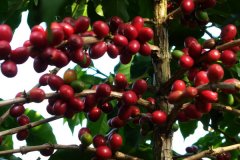
Java Java tastes clean, soft fruit, acidity and aroma, premium Java bean coffee.
In fact, according to Ms. Knudsen, people started drinking fine coffee, but later, due to the growing demand for coffee, the discovery and use of new coffee varieties led to the decline of coffee quality. later, people even began to dislike this bad coffee and began to turn to other drinks. In this case, Ms. Knudsen's re-recognition
2016-06-23 Java taste all very clean soft fruit sour aroma high