“special grade” search results (3000)
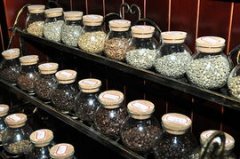
Coffee grading knowledge how to classify coffee grades
If the owners of two cafes are discussing, shopkeeper A says, "the coffee beans we use in our shop are NO.2 in Santos, Brazil. What about your store?" shopkeeper B said: our store uses Brazilian NO.1 of the same grade as Blue Mountain NO.1. The evaluation method adopted in Brazil is the deduction method, which is classified according to the number of defective beans per 300g of staple beans, with a total of seven grades from NO.2 to No.8, with a deduction of less than 4 points.
2015-03-06 Coffee grade division knowledge how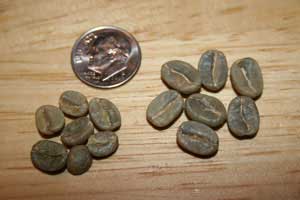
The concept of Fine Coffee Specialty Coffee (1) the third Wave of Coffee Culture and History in the World
The traditional classification of coffee beans is usually based on the classification criteria defined by the coffee producing countries, and then agreed to become common in the international market and traded under such a tacit understanding. For a long time, coffee producing countries have their own classification and evaluation criteria for coffee, which serve as the pricing guidelines in the coffee market. But slowly in recent years, coffee consuming countries have begun to demand unified evaluation criteria.
2016-01-23 Boutique Coffee Specialty concept World No.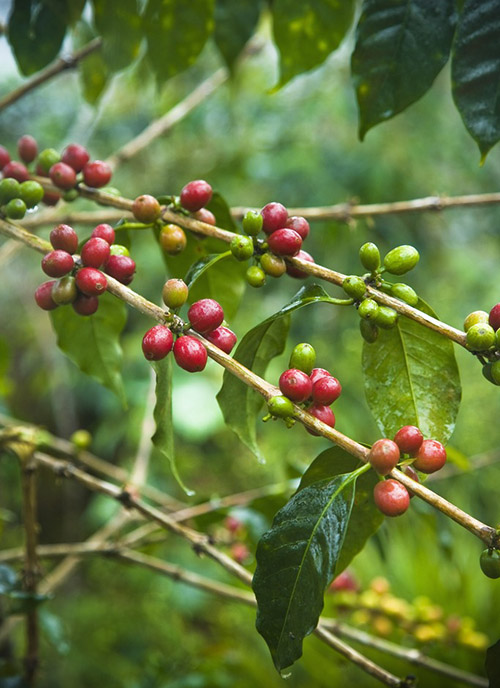
The flavor spectrum of raw bean grading model 90 + "Level" marks the top taste standard.
In the flavor spectrum of 90 +, there is a Level logo. It is the number after the product name mark L. For example, L12-means Level 12. The Level is probably in proportion to the price. It represents the grading model of raw beans: according to quality, quantity, production cost, 90 + based on the original excellent raw beans, continue to grade as follows: Level 7: single production area harvest. Will taste meticulous and
2016-07-13 Raw beans grading pattern 90 Flavor Level logo Top Taste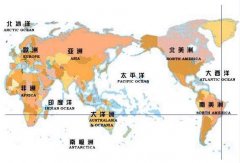
Kenyan Coffee AA+, AA, AB Grade 3 quality African Coffee Fine Coffee
Boutique coffee (specialty coffee) is also called specialty coffee selection coffee. It refers to coffee made from a small number of raw beans with excellent taste grown in an ideal geographical environment. Depending on the special soil and climatic conditions in which they grow, they have outstanding flavor. After strict selection and classification, this kind of coffee is hard in texture, rich in taste and stylish.
2016-06-29 Kenya coffee AA+ III premium Africa boutique s
The method of grading coffee beans by the American boutique coffee association
Level 1: special sample size difference: less than 5% defects: 0-5 shall not contain significant defects total sample weight: 300 g sample size difference: less than 5% 5%, or in the delineated typical perimeter appreciation features: must be at least a little outstanding in the following features: taste, sour taste, taste, fragrance. Characteristics will be decided by the cooperation of both sides of the business. Through cup test and appreciation
2014-09-04 Coffee knowledge American Fine Coffee Association graded coffee beans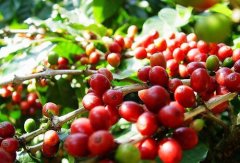
Panamanian SHB boutique manor Coffee Pokui special area Cupid Manor
Panama Volcan Baru Series Cupido country: Panama grade: SHB production area: Balu volcano altitude: 1600-1650m annual rainfall: 3500 mm treatment: honey treatment and traditional washing varieties: Kaduai, Kaddura, harvest year: 2015 raw beans specifications: 17-18 mesh flavor: White grape, caramel, honey, black tea
2016-05-18 Panama SHB Grade Manor item Coffee Boqui producing area Cupid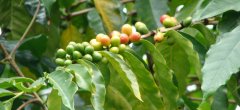
Panamanian SHB boutique manor Coffee Pokui special area Cupid Manor
Panama Volcan Baru Series Cupido country: Panama grade: SHB production area: Balu volcano altitude: 1600-1650m annual rainfall: 3500 mm treatment: honey treatment and traditional washing varieties: Kaduai, Kaddura, harvest year: 2015 raw beans specifications: 17-18 mesh flavor: White grape, caramel, honey, black tea
2016-05-19 Panama SHB Grade Manor item Coffee Boqui producing area Cupid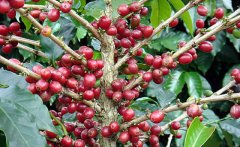
Panamanian SHB boutique manor Coffee Pokui special area Cupid Manor
Panama Volcan Baru Series Cupido country: Panama grade: SHB production area: Balu volcano altitude: 1600-1650m annual rainfall: 3500 mm treatment: honey treatment and traditional washing varieties: Kaduai, Kaddura, harvest year: 2015 raw beans specifications: 17-18 mesh flavor: White grape, caramel, honey, black tea
2016-05-20 Panama SHB Grade Manor item Coffee Boqui producing area Cupid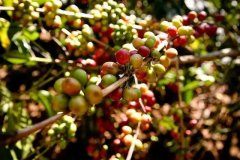
Panamanian SHB boutique manor Coffee Pokui special area Cupid Manor
Panama Volcan Baru Series Cupido country: Panama grade: SHB production area: Balu volcano altitude: 1600-1650m annual rainfall: 3500 mm treatment: honey treatment and traditional washing varieties: Kaduai, Kaddura, harvest year: 2015 raw beans specifications: 17-18 mesh flavor: White grape, caramel, honey, black tea
2016-05-21 Panama SHB Grade Manor item Coffee Boqui producing area Cupid
There are two ways to grade green coffee beans.
There are two ways to grade coffee beans, one is to filter the number of points, one is to elevation points. The size of the round beans is generally smaller than the flat beans, the round beans are between 8-13, and the flat beans are between 12-29. 8,9,10... 12,13... 18... 29= ,,......, Extra large. The bigger the number, the bigger the bean. SC-19, for example, is bean number 19.
2015-11-03 coffee green beans grading method two
Coffee bean variety grade Colombian flavor
The main varieties of Colombian coffee are Arabica coffee (coffea arabica), that is, small fruit coffee (small grain coffee). Relatively speaking, large fruit coffee (coffea robusta) is mostly grown in Africa of origin, such as the famous Madagascar coffee. There are several varieties of small fruit coffee. Brazilian coffee, which has the highest yield in the world, has large seeds, strong adaptability and high fruit yield.
2016-04-22 Coffee beans variety grade Columbia flavor coffee main
Standard for grading coffee beans
There are two ways to grade coffee beans, one is to filter the number of points, one is to elevation points. It is divided by the filter number and the size is determined by the mesh size. Round beans are generally smaller than flat beans, round beans between 8-13, flat beans between 12-29. 8,9,10... 12,13... 18... 29 = Small, Medium, Normal... It's a big... big, extra big. The bigger the number, the bigger the bean. Like SC
2015-01-08 quality coffee common sense green beans grading standard method
Graded coffee raw bean treatment
At present, there are three main rating criteria for raw coffee beans, and different countries adopt different rating methods according to their own production conditions and national conditions (not all coffee producing countries adopt the same method). Let's introduce these three popular rating methods. One: the reason for the emergence of such a classification standard according to the altitude of the coffee producing area is mainly because of the high level.
2014-09-18 Grading of raw coffee beans and treatment of raw coffee beans
Coffee beans Basic knowledge Coffee classification
If there are two cafe owners in the discussion, A shop owner said: we use coffee beans in Brazil Santos NO.2, your shop? B shopkeeper said: We shop with the Blue Mountain NO.1 with the same level of Brazil NO.1. Brazil uses a point-deduction method to evaluate the quality of the beans. The beans are graded according to the number of defective beans in every 300 grams of main beans. The grades are divided into seven levels from NO.2 to NO.8. If the points are less than 4,
2015-04-13 coffee beans basics common sense coffee grading
Classification standard of raw coffee beans
There are two ways to classify raw coffee beans, one is the filter number, and the other is the elevation.
2014-06-04 Coffee knowledge coffee raw beans grading standards
Introduction and grading of Colombian coffee beans
Colombian Coffee our Colombian coffee producing area is located in the city of Hughton Bollivar in the Medellin region of the northern Andes in South America, where the climate is mild, humid and sunny. And our Fallorence Mountains are right here, and hard-working farmers are growing coffee along the highlands of these mountains. The mountain steps provide a diverse climate, which means that throughout the year
2015-11-23 Columbia Coffee beans introduction grading Colombian Coffe
Graded high-quality coffee beans
There are two ways to classify raw coffee beans, one is the filter number, and the other is the elevation. It is divided by the number of the filter screen, and the size is in the unit of the screen (size). Round beans are generally smaller than flat beans, between 8-13 and 12-29. 8, 9, 10. 12, 13. 18. 29 = small, medium, ordinary. Quasi-big. Big, extra large. The bigger the size, the bigger the beans. Like SC.
2014-09-13 Grading of raw coffee beans boutique coffee beans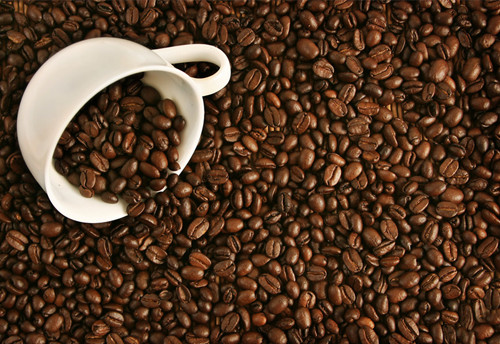
Basic knowledge of fine coffee grading of raw coffee beans
At present, there are three main rating criteria for raw coffee beans, and different countries adopt different rating methods according to their own production conditions and national conditions (not all coffee producing countries adopt the same method). Let's introduce these three popular rating methods. One: the reason for the emergence of such a classification standard according to the altitude of the coffee producing area is mainly because of the high level.
2015-04-17 Boutique coffee basics common sense raw beans grading at present
European Special Coffee Association (SCAE) barista certification standard
There are a large number of barista training institutions around the world, but there is no independent testing and certification mechanism based on knowledge and production capabilities. Just like getting a driver's license, the European Special Coffee Association will get our certification no matter where you received the training or even learned it yourself. You only need to pass our written, oral and hands-on tests.
2015-04-23 Europe specialty coffee association SCAE certification standards all over the world.
Coffee Grading in Kenya
The growing environment of fine coffee beans also has higher requirements. It generally grows at an altitude of 1500 meters or even 2000 meters above sea level, with suitable precipitation, sunshine, temperature and soil conditions. Some world-famous coffee beans also have special geographical conditions, such as the mountain clouds in the Blue Mountains, the free shade provided by afternoon clouds in Kona, and the volcanic ash soil in Antigua.
2016-05-23 Kenya Coffee Grade Classification Fine Coffee Bean Growing Environment Also More